The short version
- Rising living costs and a protracted war in Iran are eroding support for the Republican party ahead of the midterm elections.
- Observers note a shift in presidential focus toward aesthetic renovations and legacy projects rather than governance or conflict resolution.
- The current policy direction contradicts earlier campaign promises regarding economic stability and non-interventionist foreign policy.
Political analysts are increasingly concerned that the Republican Party faces significant challenges in the upcoming November midterm elections. The prevailing sentiment among critics is that the administration has lost its political footing, particularly regarding issues of economic stability and foreign engagement. What was once viewed as a sharp intuition for public grievances now appears to many observers as a disconnect from voter priorities. This shift in perception comes at a critical juncture, with polls suggesting that dissatisfaction with current conditions could translate into substantial losses for Republican candidates.
Central to this growing discontent is the cost of living crisis affecting American households. Government data indicates that the price of food purchased for home consumption has risen by thirty-three percent in major cities since early 2019. This inflationary pressure is exacerbated by sweeping tariff policies implemented by the administration. Additionally, gasoline prices have reached record highs for this time of year, further straining household budgets. These economic realities stand in stark contrast to campaign promises made during the previous election cycle, where lowering prices was a key platform point.
Foreign policy has also become a significant liability. The ongoing military conflict in Iran, which began without a clear exit strategy, is draining resources at an estimated rate of one billion dollars per day. Critics argue that this engagement has strengthened Iranian resolve and provided them with leverage over critical global shipping routes like the Strait of Hormuz. This interventionist approach marks a sharp departure from the non-interventionist posture that helped fuel the president's rise to power and attracted many disaffected voters in previous years.
The administration's handling of the conflict has drawn particular scrutiny regarding security and strategy. Recent reports indicate that the president had to take evasive action during a NATO summit in Turkey due to fears of an assassination plot, including hiding in a catering truck and swapping aircraft. While officials claim that Iranian military capabilities have been significantly degraded, the war continues with no definitive end in sight. This prolonged engagement is viewed by many as a betrayal of the promise to avoid endless foreign entanglements.
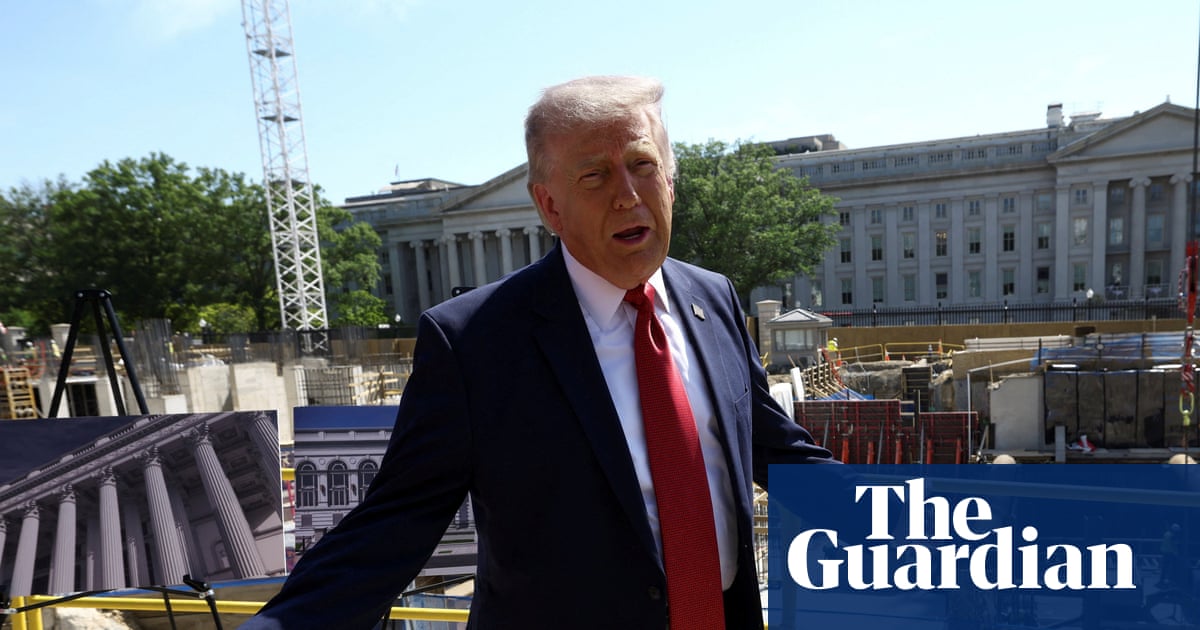
Compounding these strategic concerns is the president's apparent focus on domestic aesthetic projects rather than governance. Since returning to office, significant time and energy have been devoted to construction and renovation efforts across Washington. These projects include a new White House ballroom, a helipad, a triumphal arch, and modifications to the Lincoln Memorial reflecting pool. Critics suggest that this preoccupation with legacy and monumentality is out of step with the urgent economic and security challenges facing the nation.
Reports from inside the White House paint a picture of an administration more concerned with branding than policy. Accounts describe efforts to add the president's name to various institutions, including the John F. Kennedy Center for the Performing Arts, despite legal challenges. There are also anecdotes about the president focusing on minor details, such as selecting tree species for the White House grounds or debating architectural styles for new structures. This behavior has led some commentators to describe a complete unraveling of the political project that defined the previous term.
The disconnect between campaign rhetoric and current reality is becoming increasingly apparent to voters. The administration promised to keep American dollars at home and avoid foreign conflicts, yet it is currently engaged in a costly war abroad while domestic prices soar. This contradiction is fueling frustration among the base that previously supported the party's non-interventionist stance. As the election approaches, the ability of Republican candidates to distance themselves from these issues will likely determine their success.
Looking ahead, the political landscape remains uncertain but increasingly unfavorable for the incumbent party. The combination of high inflation, a draining foreign conflict, and a perceived lack of governance focus creates a difficult environment for November campaigns. Unless there is a significant shift in policy or public perception, the midterm results may reflect a strong rejection of the current administration's direction. The coming months will be critical in determining whether these trends solidify into a decisive electoral outcome.
Sources behind this briefing
Go to the original reporting
- The Guardian US Politics↗Trump’s midterm malaise: endless war and high prices could spell doom for Republicans in November