The short version
- Final polling suggests Democrats hold leads in several key Senate races, including historically red states like Texas and Kansas.
- Internal party conflicts, notably in Michigan and Alaska, have complicated the Democratic campaign narrative just before Election Day.
- Voter concerns regarding inflation, government corruption, and foreign policy conflicts are driving engagement despite low presidential popularity.
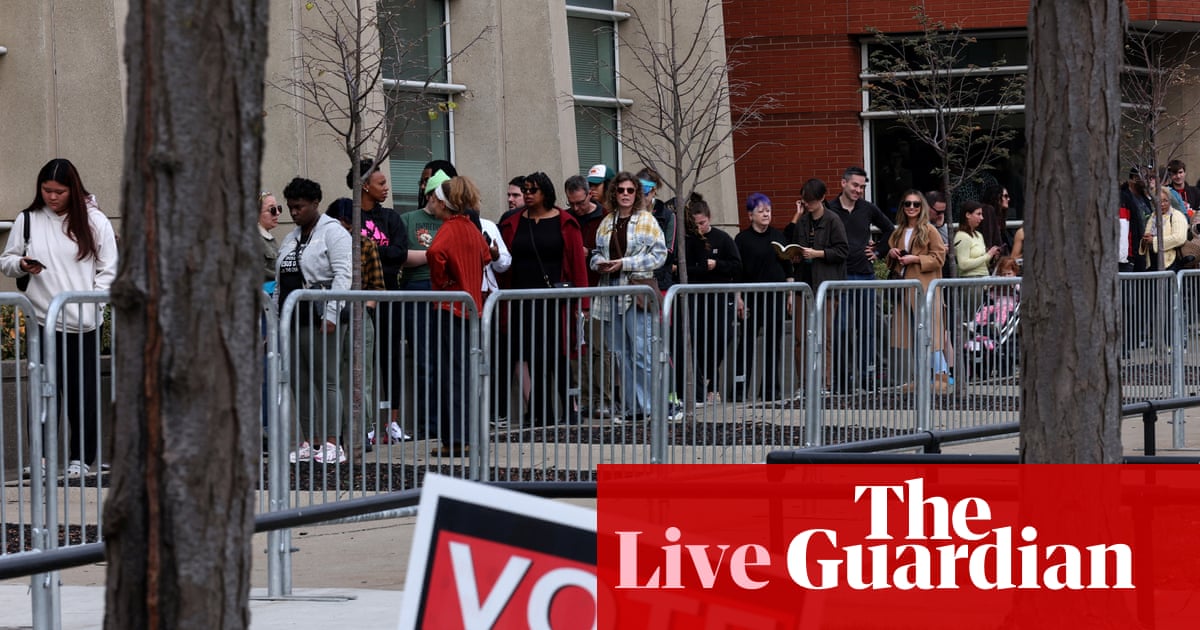
Americans are casting ballots in midterm elections that serve as a direct referendum on the second term of President Donald Trump. The contests determine control of both the Senate and the House of Representatives, chambers currently held by Republicans. Democrats are attempting to capitalize on declining approval ratings for the president, which recent surveys place between 33 percent and 37 percent. The goal is to generate a significant shift in congressional power that would check executive actions perceived as unchecked.
Recent polling data from the New York Times and Siena University indicates Democratic candidates hold leads in five of seven critical battleground Senate races. These gains include Texas and Kansas, states that have not elected a Democrat to the Senate since 1988 and 1932, respectively. While Democrats appear well-positioned to win the House, regaining the Senate remains a more difficult objective. The party has focused resources on flipping Republican-held seats in Ohio, Texas, and Maine to alter the balance of power.
The campaign environment has been heavily influenced by President Trump’s active participation. He has conducted dozens of rallies across the nation, urging supporters to vote for Republican candidates as if his name were on the ballot. This strategy contrasts with the typical midterm dynamic where the party holding the White House usually loses congressional seats. Democrats are framing the election around affordability issues and perceived corruption within the administration.
Economic concerns remain a central theme for voters. A recent Harris poll indicated that 76 percent of respondents believe elected officials prioritize personal enrichment over improving the economy for ordinary citizens. Disclosures to the Office of Government Ethics show Trump has earned approximately $2.2 billion since returning to office, including revenue from branded digital assets. Meanwhile, rising living costs have intensified due to global oil price increases linked to the ongoing conflict with Iran.
The war with Iran, launched in February alongside Israel, has contributed to higher fuel prices for American motorists and increased diesel costs for supply chains and farmers. These economic pressures are compounding voter frustration with the administration’s record. Democrats argue that the president’s policies have exacerbated inflation rather than reducing it, a key promise from his 2024 campaign. The conflict also raises questions about the long-term economic stability under current leadership.
Internal Democratic dynamics have introduced complications to the campaign narrative. In Michigan, a state vital for Senate control, Congresswoman Haley Stevens endorsed Republican Mike Rogers after losing her party’s primary to Abdul El-Sayed. This move followed a dispute over an outside group’s advertisement linking high living costs to U.S. support for Israel. Senate Minority Leader Chuck Schumer condemned the endorsement as a betrayal, highlighting deep fractures within the party’s coalition.
Additional controversy emerged in Alaska, where reports suggested the Democratic Senate candidate’s campaign attempted to recruit a challenger with a name similar to Republican Senator Dan Sullivan. Candidate Mary Peltola denied any knowledge of such efforts. The Department of Justice had previously filed a lawsuit to block certification of results if Republicans lost, citing potential voter confusion. A judge dismissed the suit, but the incident added uncertainty to the final days of campaigning.
As voting concludes, attention turns to whether President Trump will accept the results if they favor Democrats. The outcome will determine the extent of legislative checks on executive power in areas such as immigration enforcement, trade tariffs, and foreign policy. With both chambers at stake, the election represents a pivotal moment for defining the trajectory of American governance in the coming years.
Sources behind this briefing
Go to the original reporting
- The Guardian US↗US midterm elections 2026 live: Americans go to the polls in referendum on Trump’s agenda
- The Guardian US Politics↗Americans head to polls in midterm elections seen as referendum on Trump


