The short version
- Microsoft introduced two new devices powered by Nvidia’s RTX Spark chip, targeting developers with high-performance local AI capabilities.
- Windows 11 updates will include a redesigned Copilot interface and system-level task execution via natural language commands.
- A new security framework called Microsoft Execution Containers aims to sandbox autonomous agents, addressing concerns about unchecked software behavior.
Microsoft has shifted its focus toward on-device artificial intelligence with the announcement of new hardware and operating system updates designed to support local AI workloads. During a live event held in October 2026, the company unveiled the Surface Laptop Ultra and the RTX Spark Dev Box, both built around Nvidia’s newly released RTX Spark system-on-a-chip. These devices represent a significant departure from previous generations of Microsoft hardware, which relied heavily on cloud-based processing for advanced AI features. Instead, this new lineup emphasizes unified memory architectures that allow users to run complex models directly on their machines without constant internet connectivity.
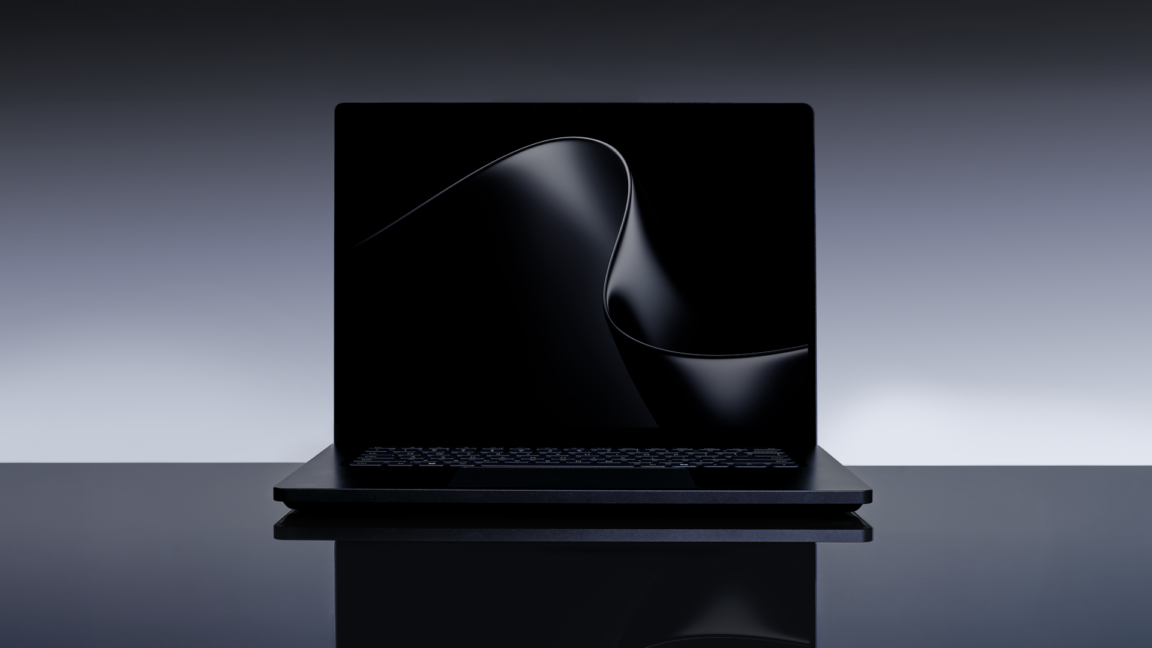
The Surface Laptop Ultra is positioned as a premium tool for developers and power users, starting at $2,599. It features configurations with up to 128GB of LPDDR5x unified memory and GPUs ranging from 5,120 to 6,144 cores based on Nvidia’s Blackwell architecture. By utilizing unified memory rather than traditional video RAM limits, the laptop can dynamically allocate resources for both graphical tasks and AI development. Demonstrations during the event showed the system running demanding titles like Gears of War: E-Day, suggesting that the hardware is capable of handling AAA gaming alongside local model deployment. The device is scheduled to begin shipping on October 16.
For more intensive computational needs, Microsoft introduced the RTX Spark Dev Box, a compact unit priced at $5,999. Designed specifically for frontier developers, this black anodized aluminum box delivers one petaflop of AI compute performance. Its physical design resembles a game console or streaming device, featuring a vent pattern with 1,000 air vents that serves as a visual nod to its teraflop capacity. The Dev Box ships with a custom build of Windows 11 optimized for AI development, providing out-of-the-box support for local model testing and deployment frameworks.
These hardware releases are accompanied by substantial changes to the Windows 11 operating system. Microsoft is overhauling its integrated AI assistant, Copilot, with a new layout divided into three distinct tabs. More significantly, the update will enable users to perform system-level tasks directly from the search bar using natural language descriptions. This functionality aims to reduce the need for navigating traditional settings menus, allowing the system to execute actions such as adjusting display settings or managing files based on user intent.
To address growing concerns about the safety and control of autonomous software agents, Microsoft announced the availability of Microsoft Execution Containers (MXC). This security framework is designed to confine agent activities within a sandboxed environment, preventing unauthorized access to system resources. MXC acts as a policy layer that directs compute traffic to appropriate isolation backends, including process containers, session containers, Windows Subsystem for Linux containers, or experimental hardware-backed isolation known as MicroVM. The tool allows system administrators to set specific guardrails for each agent, ensuring that organizations retain control over what automated processes can access.
Microsoft describes this integrated approach as 'Hybrid Intelligence,' a strategy that moves away from exclusive reliance on cloud-backed AI solutions. This model allows users of the Surface Laptop Ultra and RTX Spark Dev Box to allocate memory flexibly for specific applications while offering native support for local frameworks such as llama.cpp. The company also highlighted compatibility with models from the Deepseek and Nvidia Nemotron families, aiming to create a seamless environment for developers working with diverse AI tools.
The push toward local AI comes amid broader industry scrutiny regarding security vulnerabilities and user acceptance of autonomous agents. Past missteps in AI integration have raised questions about whether users are comfortable granting software bots access to their digital lives and files. Microsoft’s introduction of MXC appears to be a direct response to these concerns, attempting to balance the efficiency of agentic workflows with robust security measures. However, the effectiveness of these safeguards will depend on real-world implementation and user adoption.
As the Surface Laptop Ultra prepares to hit shelves next week, industry observers are closely watching how well these new capabilities translate into practical benefits for developers and enthusiasts. The high entry price point suggests that Microsoft is targeting a niche market willing to invest in cutting-edge hardware for local AI processing. Whether this strategy will gain traction among broader consumer segments remains uncertain, particularly as questions about the reliability and security of on-device AI continue to evolve.
The collaboration between Microsoft and Nvidia underscores a growing trend in the tech industry toward specialized hardware designed for artificial intelligence. By combining high-performance chips with unified memory architectures, these companies are attempting to redefine personal computing for an era where local processing power is increasingly valuable. The success of this initiative will likely hinge on how well the new software features integrate with existing workflows and whether users perceive the added complexity as a worthwhile trade-off for enhanced privacy and performance.
Looking ahead, Microsoft’s focus on local AI could influence future developments in both hardware design and operating system functionality. If the Surface Laptop Ultra and RTX Spark Dev Box prove successful, other manufacturers may follow suit by prioritizing on-device processing capabilities. This shift could lead to a new standard for personal computing, where the ability to run complex AI models locally becomes a key differentiator between premium and mainstream devices.
Sources behind this briefing
Go to the original reporting
- Ars Technica↗Microsoft event debuts new AI-friendly hardware and Windows changes

