The short version
- Microsoft has launched a new pricing model that charges users between twenty-four and forty cents per hour to stream games they own via Xbox Cloud Gaming.
- This change follows the recent reduction of free streaming hours for Game Pass subscribers, limiting their monthly access to five to fifteen hours depending on the tier.
- While an ad-supported option remains available, it offers lower quality and longer wait times compared to the paid hourly packs or subscription-based access.
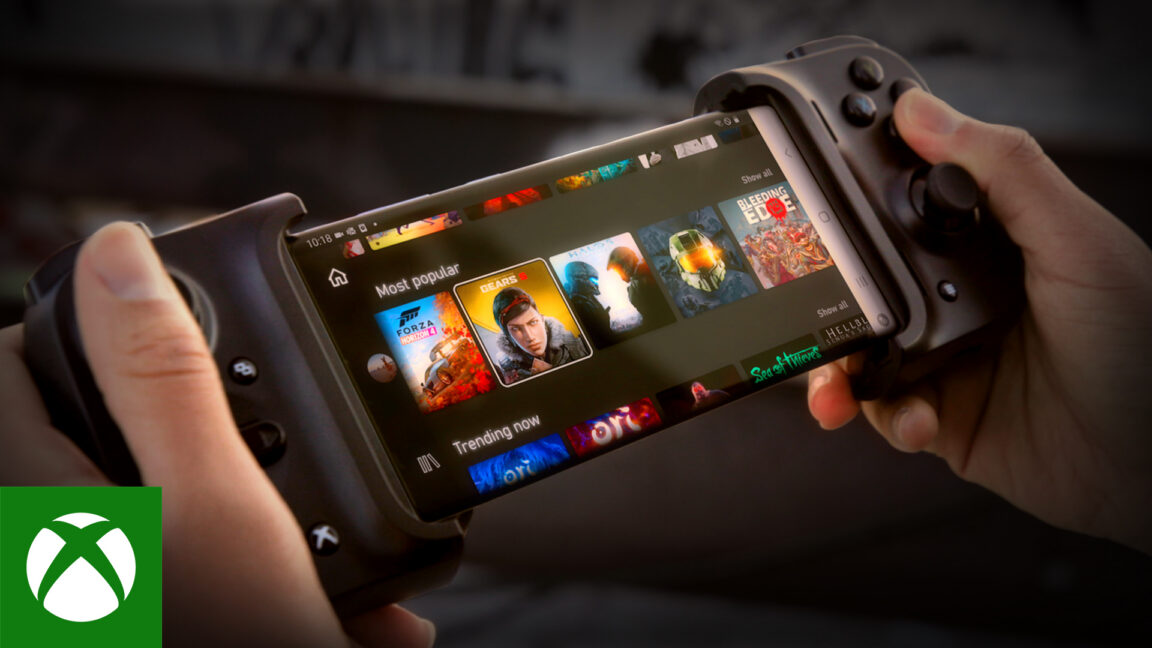
Microsoft has officially rolled out a new payment structure for Xbox Cloud Gaming that requires users to purchase playtime in hourly increments. This development marks a significant departure from the traditional model of owning a game and playing it indefinitely without additional fees. The company introduced these time-based charges to Xbox Insiders, allowing them to buy cloud playtime hours through the Xbox Store. These purchases are designed for eligible games that users already own on supported devices, adding a layer of cost on top of the initial game acquisition price.
The pricing for these Cloud Playtime packs varies, with introductory rates set between twenty-four and forty cents per hour. Microsoft has clarified that purchased playtime does not expire; it remains available until the user consumes the allocated hours. This approach mirrors the metered gameplay of vintage arcades, where players inserted coins to continue a session. However, unlike those early gaming experiences, modern consumers are accustomed to one-time purchases that grant permanent access to software, making this return to per-hour billing a notable shift in consumer expectations.
This new system emerges shortly after Microsoft severely restricted the streaming benefits included with its Game Pass subscription service. Previously, subscribers enjoyed a broad buffet of cloud gaming options, but recent changes have capped monthly streaming time at five to fifteen hours for most users. The company stated that non-subscribers would soon be able to purchase cloud playtime directly, and this rollout fulfills that promise. For the vast majority of Game Pass members, these new limits are not expected to cause significant disruption, as data suggests only four percent of subscribers were previously utilizing more than the newly imposed caps.
The financial implications for consumers depend heavily on their existing relationship with the Xbox ecosystem. For those who have already bought games digitally or physically, the hourly fees represent an additional expense to access those titles via streaming. This contrasts sharply with the value proposition of a subscription model, where the cost is fixed and includes access to a library of hundreds of titles. The new a la carte pricing requires users to pay for the game itself and then again for the privilege of streaming it, a dual-fee structure that may deter casual players who prefer the simplicity of all-inclusive packages.
Microsoft has also introduced an ad-supported tier for cloud gaming, which allows users to stream games they own without purchasing playtime packs. This option provides a free alternative but comes with distinct trade-offs. Users opting for the ad-supported route will experience longer wait times before their sessions begin and will receive lower-quality video streams compared to those who pay for premium access. This tiered approach effectively segments the user base, offering a degraded experience for those unwilling or unable to pay for hourly playtime or maintain a subscription.
Historical context reveals that this is not the first attempt at metered cloud gaming. Sony previously experimented with similar models through its PlayStation Now service in 2014, offering rental periods for streaming access. Those early efforts were criticized for high costs relative to the value provided, leading Sony to pivot toward a subscription-based model that eventually evolved into the current PlayStation Plus Premium plan. Google’s Stadia platform also attempted to offer unlimited streaming for purchased games but ultimately failed, shutting down in 2022 and refunding all purchases. Microsoft’s current strategy differs by tying streaming access directly to game ownership rather than offering a standalone library.
The success of this new pricing model hinges on the actual demand for cloud gaming among non-subscribers. The fact that only a small fraction of Game Pass users were heavily reliant on streaming features before the restrictions suggests that cloud gaming remains a niche interest within the broader Xbox community. If even subscribers with free access do not prioritize streaming, it raises doubts about whether non-subscribers will be willing to pay extra for the same convenience. The market may prove too thin to sustain a robust a la carte streaming economy.
As Microsoft tests these waters with Xbox Insiders, the company is likely gathering data on user behavior and willingness to pay. The introduction of hourly fees represents a bold experiment in monetizing cloud infrastructure directly from consumers rather than bundling it into subscription costs. Whether this model gains traction or faces backlash will depend on how well it balances cost with performance. For now, gamers must decide if the convenience of streaming justifies the added expense, especially when local play remains an option for those with compatible hardware.
Sources behind this briefing
Go to the original reporting
- Ars Technica↗Xbox wants you to pay 24 to 40 cents per hour to stream games you already bought

