The short version
- Statewide voters will decide on a ban prohibiting regulated utilities from making political contributions, aiming to curb industry influence over legislation.
- Ann Arbor residents face a separate ballot measure that could establish a publicly owned electric utility to replace the current private provider.
- Utility companies and allied groups are mounting legal challenges and spending heavily against both measures, citing free speech concerns and potential shifts in donor dynamics.
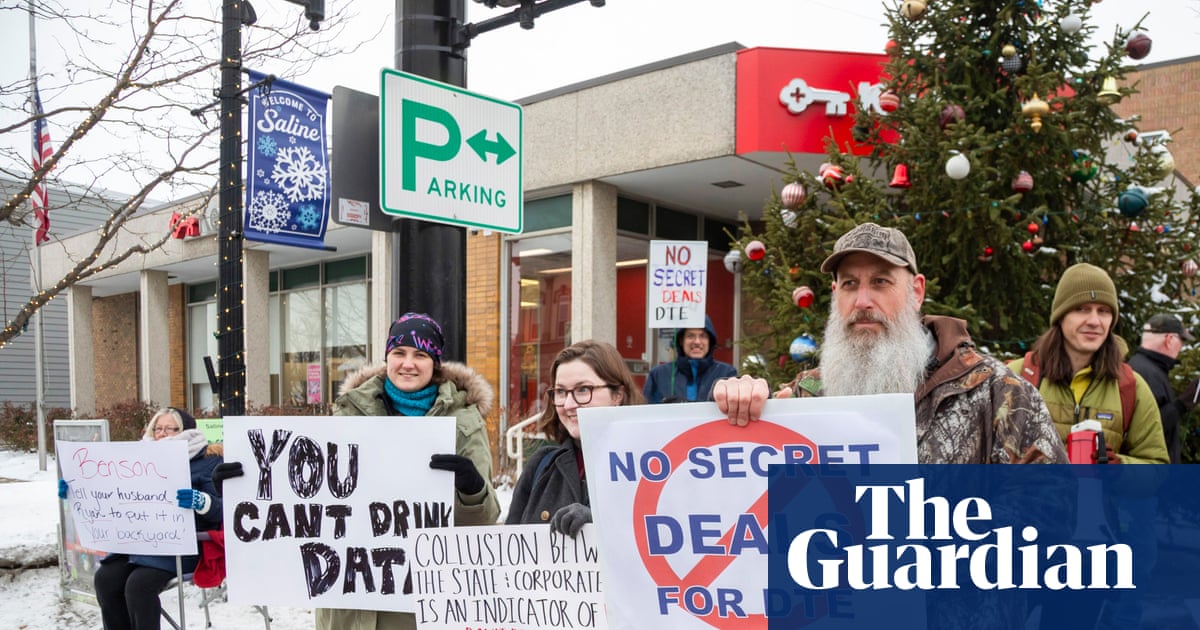
Michigan voters are poised to decide on two significant ballot initiatives that target the political and operational power of the state’s largest electric utilities. The measures reflect growing public dissatisfaction with high energy costs, unreliable service, and the perceived influence of utility companies on local and state politics. While the proposals operate independently, they share a common origin in frustration over how energy delivery is managed and regulated.
The statewide initiative, known as State Proposition 2, seeks to prohibit regulated gas and electric utilities from making political contributions. The ban would also extend to companies holding government contracts exceeding $250,000. Furthermore, it aims to block donations from executives of these firms, their immediate family members, and individuals with close ties to the organizations. Proponents argue that this restriction is necessary to break the cycle of pay-to-play politics that they believe prevents elected officials from addressing voter concerns about living costs.
In Ann Arbor, a separate proposal labeled Proposal E focuses on structural change rather than campaign finance. If approved, it would create a new board tasked with establishing a city-owned electric utility. A subsequent vote would determine whether this public entity replaces DTE Energy as the primary electricity supplier for the city. Supporters of municipalization argue that direct democratic control over essential services offers greater accountability and responsiveness to community needs compared to private shareholder-driven corporations.
The backdrop for these initiatives is a landscape marked by frequent power outages and steep rate increases. Federal data indicates that Michigan consistently ranks poorly regarding the frequency and duration of electrical disruptions. Major providers like DTE Energy and Consumers Energy serve approximately 80% of the state’s customers. Critics contend that these utilities have aligned themselves with energy-intensive datacenters, which demand fossil fuel resources that are profitable for the companies but contribute to higher bills and environmental concerns for residents.
Opposition to both measures is organized and well-funded. Utility-aligned groups, including Protect MI Free Speech, argue that the statewide donation ban violates free speech protections established by the Citizens United ruling. They claim the initiative restricts corporate rights to participate in political discourse. Meanwhile, allies of DTE Energy within Ann Arbor leadership have filed a last-minute lawsuit attempting to block the municipalization effort from appearing on the ballot or taking effect.
Supporters of the initiatives maintain that they have structured the proposals to withstand legal scrutiny regarding free speech claims. They emphasize that the goal is not to silence political expression but to prevent conflicts of interest where regulators and legislators are financially supported by the entities they oversee. Recent polling suggests broad bipartisan support for the statewide donation ban, with 71% of respondents favoring the measure.
Industry representatives counter that eliminating direct utility contributions will not remove money from politics but will instead shift influence toward wealthy national donors and special interests. Katie Carey, a spokesperson for Consumers Energy, noted that the campaigns opposing utility spending also utilize dark money sources. She argued that the proposals would simply redirect political leverage rather than eliminate it.
Experts view these ballot questions as test cases for broader trends in the American utility sector. Karlee Weinmann of the Energy and Policy Institute suggests that public outrage over service quality and costs is beginning to erode the traditional political influence operations of major utilities. Whether these measures pass or fail, they highlight a significant shift in how residents engage with essential infrastructure governance.
If voters approve either proposal, extensive legal battles are expected. The utility industry has historically defended its political spending as a legitimate form of advocacy. Conversely, proponents argue that the current system allows for unchecked influence, citing that 93% of legislators received money from the utility industry in a recent session. The outcome will signal whether structural reforms to energy governance can gain traction through direct democracy.
The initiatives underscore a national conversation about the role of private corporations in managing public utilities. As datacenters expand and demand more power, the tension between profitability and public service intensifies. Michigan’s voters are being asked to determine whether current regulatory frameworks adequately protect consumer interests or if new mechanisms for accountability and ownership are required.
Sources behind this briefing
Go to the original reporting
- The Guardian US↗Citizen-led ballot initiatives seek to limit electricity firms’ political donations in Michigan


