The short version
- Haley Stevens endorsed Republican Mike Rogers against Abdul El-Sayed following a bitter primary feud over foreign policy positions.
- President Trump launched personal attacks on El-Sayed in Iowa, using inflammatory language that drew criticism for its tone and content.
- Global events include a major cryptocurrency theft attributed to North Korea and diplomatic efforts to de-escalate tensions between the US and Iran.
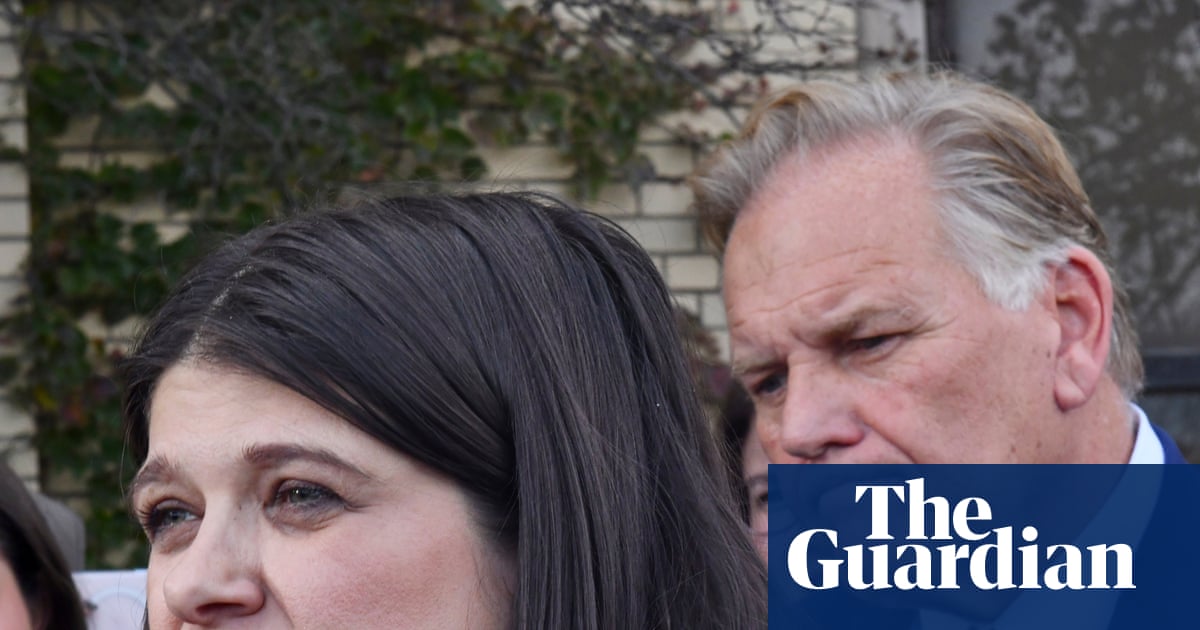
The Michigan Senate race has taken a dramatic turn with the endorsement of Haley Stevens, the Democrat who lost the primary election to Abdul El-Sayed. Stevens publicly backed her Republican opponent, Mike Rogers, in a move that signals deep fractures within the Democratic coalition and offers a significant boost to the GOP candidate on the eve of the midterm elections. This development follows months of escalating tension between the two former rivals, particularly regarding their differing stances on support for Israel.
Stevens announced her decision through a video posted online after attending an event with Rogers at a Detroit church. Her endorsement serves as a stark rebuke to El-Sayed, whom she had previously asked to exclude from certain campaign events due to the acrimony between them. The shift underscores how personal and policy disagreements can reshape electoral dynamics in tightly contested races, potentially influencing undecided voters who may view Stevens’ defection as a signal of concern regarding El-Sayed’s electability or platform.
Adding fuel to the fire, President Trump delivered a series of harsh remarks against El-Sayed during a speech in Iowa. The president used inflammatory language, referring to El-Sayed in derogatory terms and suggesting that Congress would need special security measures if he were elected. These comments have drawn widespread attention for their tone and content, raising questions about the role of presidential rhetoric in shaping public perception of candidates from minority backgrounds.
While the Michigan race dominates domestic headlines, international developments are also unfolding rapidly. In Israel, political leaders are maneuvering to form a new government after recent elections resulted in a loss of majority for Benjamin Netanyahu’s coalition. Yousef Jabareen, leader of the main Palestinian coalition, has expressed willingness to work with other blocs to oust Netanyahu, though conditions remain complex as various parties negotiate their positions.
Meanwhile, diplomatic efforts continue regarding tensions between the United States and Iran. Officials from Gulf states are preparing for potential escalation as indirect talks in Doha enter their third day. An Iranian proposal that could impact the Strait of Hormuz has raised concerns among regional allies, who emphasize the need to avoid further conflict before the US midterm elections take place.
In financial news, investors have withdrawn billions from Binance following a record-breaking hack attributed to North Korea. The theft, described as one of the largest in history, has prompted the cryptocurrency exchange to freeze withdrawals temporarily while conducting investigations. This incident highlights ongoing vulnerabilities in digital asset platforms and the growing threat posed by state-sponsored cyberattacks.
Other notable events include the dismissal of a lawsuit seeking to block certification of Alaska’s Senate race results, which was filed by supporters of Republican incumbent Dan Sullivan. The case alleged voter confusion due to another candidate sharing Sullivan’s name, but a judge ruled against the claim, with the Justice Department planning an appeal. Additionally, Connecticut Senator Chris Murphy has been hospitalized after suffering a stroke, drawing attention to health concerns among public figures.
As these stories develop, they reflect broader themes of political polarization, international instability, and technological challenges. The Michigan Senate race, in particular, illustrates how internal party conflicts can spill over into general elections, affecting voter sentiment and campaign strategies. With the midterms approaching, all eyes remain on how these dynamics will play out in the final days before voting begins.
Looking ahead, the outcome of the Michigan contest could have lasting implications for both parties’ strategies in future elections. Stevens’ endorsement may encourage other moderate Democrats to reconsider their support for progressive candidates, while Trump’s rhetoric risks alienating segments of the electorate sensitive to divisive language. As global tensions persist and financial systems face new threats, the intersection of domestic politics and international affairs continues to shape the landscape of American governance.
Ultimately, this period marks a critical juncture for voters navigating a complex array of issues ranging from local elections to global security. The decisions made in the coming days will not only determine the balance of power in Congress but also set the tone for policy debates in the years ahead. With so much at stake, the importance of informed civic engagement has never been more apparent.
Sources behind this briefing
Go to the original reporting
- The Guardian World↗Stevens defects to back El-Sayed’s Michigan opponent as Trump delivers anti-Muslim tirade | First Thing


