The short version
- Michigan Democrats select a Senate nominee in a race highlighting internal ideological divisions between progressive and moderate factions.
- Abdul El-Sayed leads polls against Haley Stevens despite significant outside spending targeting his campaign from pro-Israel advocacy groups.
- The primary outcome influences the party's broader strategy to retake control of the US Senate following Republican gains in the 2024 election cycle.
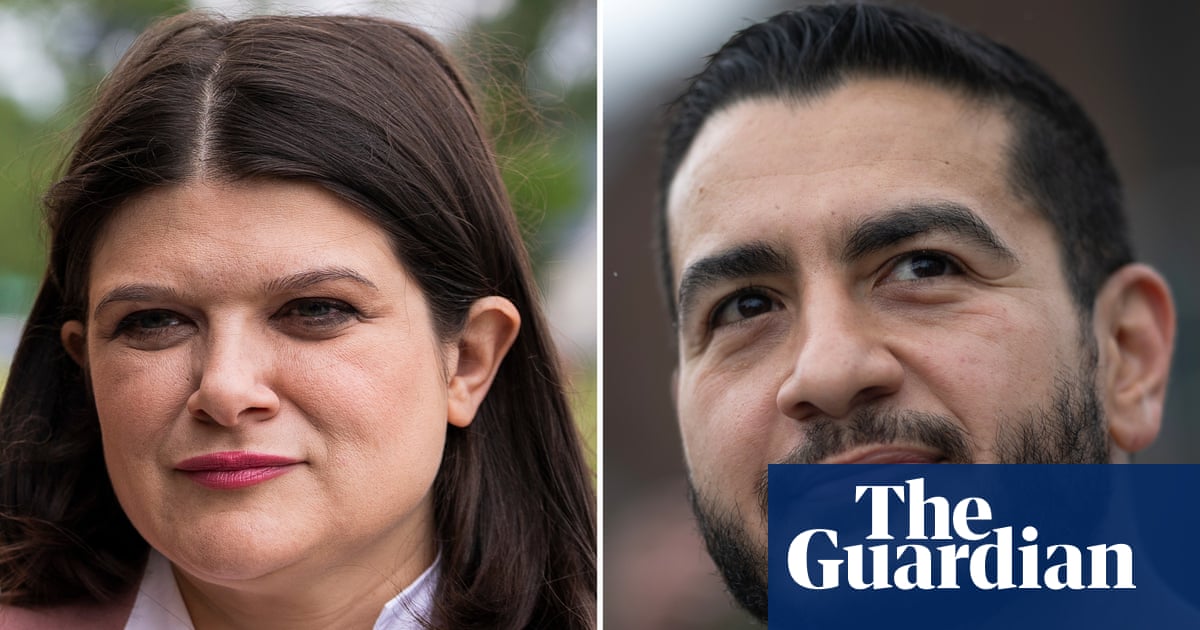
Voters in Michigan are casting ballots in a pivotal Democratic primary that serves as a bellwether for the party’s strategic direction. The contest pits progressive candidate Abdul El-Sayed against centrist US Representative Haley Stevens, reflecting a wider national struggle within the Democratic coalition to define its path forward. This election occurs as the party attempts to recover from electoral setbacks and regain influence in Washington following Donald Trump’s victory in the 2024 presidential race.
El-Sayed, a former public health official, has maintained a lead in recent polling data against Stevens, who initially gained national attention by flipping a Republican-held congressional seat. The dynamic between these two candidates illustrates the tension between the party’s progressive wing and its more traditional establishment elements. While left-leaning candidates have seen increased success in solidly blue districts across the country, Michigan represents a critical test of whether that momentum can translate into competitive races in swing states.
The financial landscape of the race has been heavily influenced by external actors. More than $40 million in outside spending has flooded the contest, with substantial sums directed toward supporting Stevens or attacking El-Sayed. Notably, groups associated with the American Israel Public Affairs Committee have played a significant role in this expenditure, highlighting how foreign policy issues and lobbying efforts are intersecting with domestic primary politics.
The stakes extend beyond the immediate nomination. The winner of this primary will face Mike Rogers, a former congressman who previously ran for Senate in 2024 but lost to Elissa Slotkin. Michigan’s Senate seat is considered essential for Democrats hoping to mount a dark-horse challenge to Republican control of the upper chamber. Republicans currently hold 53 of the 100 Senate seats, making every potential pickup crucial for any hopes of majority status.
This primary is part of a broader day of elections that includes contests in Missouri and Washington state. In Missouri, voters are deciding between former Representative Cori Bush and Wesley Bell, a race also marked by intense outside spending related to the conflict in Gaza. Meanwhile, Washington state residents are selecting candidates for the third congressional district, where incumbent Marie Gluesenkamp Perez faces challenges from both progressive and conservative sides of the aisle.
In Michigan, several congressional races offer further insight into the shifting political landscape. Senator Bernie Sanders has endorsed El-Sayed along with two progressive challengers in other districts. In the seventh district, Sanders supports community organizer William Lawrence against former ambassador Bridget Brink and Matt Maasdam. Maasdam, a former Navy SEAL, has received the endorsement of Elissa Slotkin, adding another layer of intra-party competition.
The 13th district race features state representative Donavan McKinney challenging incumbent Shri Thanedar, with Sanders backing the challenger. These contests underscore the growing influence of progressive organizers and the Sunrise Movement within the Democratic base. The endorsements signal a coordinated effort to push the party further left in key battleground areas.
On the Republican side, voters are determining whether to nominate John James or Perry Johnson for governor. James, who holds Donald Trump’s endorsement, currently leads in polls, but late grassroots support has provided momentum for Johnson. They will likely face Jocelyn Benson, the state secretary of state and probable Democratic nominee for governor. Governor Gretchen Whitmer is ineligible to run again due to term limits, opening the race to new leadership.
The outcomes of these primaries will provide immediate data on voter priorities and party alignment. As Democrats seek to chart a course back to power, the results in Michigan will likely influence fundraising strategies, candidate recruitment, and messaging for future elections. The interplay between progressive energy and establishment caution remains the central theme of this electoral cycle.
Looking ahead, the general election dynamics will depend heavily on how well the nominees can unify their respective bases while appealing to independent voters. The significant outside spending already evident suggests that these races will remain highly contested and expensive. Political analysts will closely monitor turnout patterns and demographic shifts to understand the long-term implications for national politics.
Sources behind this briefing
Go to the original reporting
- The Guardian US Politics↗Michigan votes in key Senate primary as Democrats battle over party’s future