The short version
- Recent polling indicates Abdul El-Sayed holds a significant lead among likely Democratic voters, driven by strong support from younger demographics and independents.
- Haley Stevens maintains backing from party establishment figures and older voters, emphasizing her legislative record and work ethic as key differentiators.
- Local observers note that while ideological divides exist, the animosity appears less entrenched than previous primary cycles, with many voters prioritizing electability in November.
The Michigan Democratic Senate primary has emerged as a defining contest for the party’s strategic direction in this midterm cycle. Voters in the competitive purple state are weighing two distinct approaches to governance and campaigning. The race pits incumbent Representative Haley Stevens, who represents the more moderate wing of the party, against Abdul El-Sayed, a former public health director running on a progressive platform. The outcome will determine which candidate faces former Congressman Mike Rogers in the general election, a matchup that could influence the balance of power in the U.S. Senate.
Recent survey data suggests El-Sayed holds a substantial advantage among likely Democratic voters. A nonpartisan poll conducted by Emerson this week found that 54 percent of respondents intended to support El-Sayed, compared to 39 percent for Stevens. The electorate is sharply divided along generational lines. Voters under the age of fifty favored El-Sayed by a margin of forty-two points. In contrast, those over sixty preferred Stevens by fourteen points. Independent voters also leaned heavily toward El-Sayed, supporting him by twenty-seven percentage points.
Stevens has built her campaign around her experience in Congress and endorsements from high-profile party leaders. She has represented Michigan’s eleventh district since flipping the seat in 2019. Her support base includes Senate Minority Leader Chuck Schumer and Governor Gretchen Whitmer. Campaign events for Stevens often take place in traditional political settings, such as chamber of commerce meetings and gatherings with established Democratic clubs. Observers note her stamina and consistent messaging about working diligently for the state’s interests.
El-Sayed’s campaign appeals to a different demographic through energetic outreach and progressive policy proposals. His events are frequently held in community spaces and arts venues, attracting younger crowds and activists. Reports from the field describe his ability to inspire enthusiasm among progressive voters. The contrast in campaign styles reflects broader differences in how each candidate connects with their base. Stevens emphasizes institutional experience, while El-Sayed focuses on mobilizing new voters and addressing issues like economic inequality.
Key policy concerns for Michigan voters include the economy, inflation, and the impact of data center development. Local business owners and residents have expressed anxiety about rising costs and wages. The issue of data centers has gained prominence across party lines in central and southern Michigan. This topic may also influence other races in the state, including a congressional contest where an anti-data center candidate is gaining traction. Voters are looking for candidates who can address these immediate economic pressures.
Despite the intense media coverage and online rhetoric, on-the-ground interactions suggest the divide is not as bitter as some narratives imply. Few voters indicated they would refuse to support the primary winner in November if their preferred candidate lost. The atmosphere appears less polarized than during previous contentious primaries within the party. Many Democrats expressed appreciation for aspects of both candidates’ platforms. This willingness to bridge differences may help the party unify after the primary concludes.
The Republican nominee, Mike Rogers, presents a significant challenge regardless of who wins the Democratic nomination. Rogers has successfully navigated the current political landscape by securing President Trump’s endorsement while avoiding the most extreme elements of the movement. He has managed to appeal to conservative voters without fully embracing the MAGA label. This positioning makes him a formidable opponent in the general election, raising the stakes for Democrats in selecting their candidate.
Analysts view this race as an important indicator of voter sentiment rather than a definitive turning point for the party’s future. While progressives are gaining ground in various races nationwide, this primary does not necessarily signal a permanent shift in Democratic strategy. Voters are grappling with questions about electability versus ideological purity. The results will provide valuable data on which message resonates most in a swing state, but they may not dictate the party’s long-term direction.
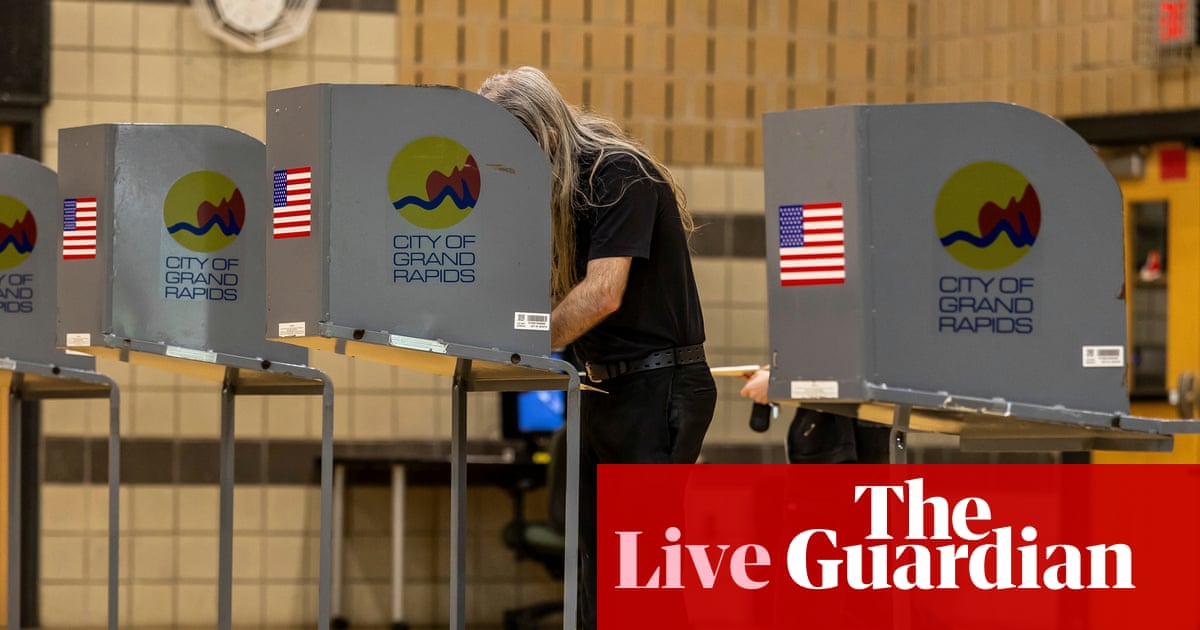
As voting concludes, attention will turn to how quickly Democrats can coalesce behind their nominee. The ability to focus on shared goals and present a united front against Rogers will be crucial. The primary highlights the ongoing tension between different factions within the party. However, it also demonstrates a capacity for pragmatism among voters who prioritize winning in November over internal ideological battles.
The broader implications of this contest extend beyond Michigan. It serves as a test case for how Democrats navigate elections in competitive districts and states. The interplay between age demographics, independent voters, and policy priorities offers insights into the evolving political landscape. Regardless of the winner, the race underscores the complexity of modern electoral politics and the challenges of building broad coalitions.
Sources behind this briefing
Go to the original reporting
- The Guardian US Politics↗US midterm primary elections live updates: High-stakes Michigan Senate race among key contests in five states
- PBS NewsHour↗4 questions about the high-stakes Michigan Democratic primary