The short version
- Abdul El-Sayed maintains a slim advantage over Haley Stevens in Michigan’s Democratic Senate primary, with final tallies still pending and the race too close to call.
- Wesley Bell’s victory in Missouri halts progressive momentum in that state, contrasting with the competitive nature of the Michigan contest.
- Diplomatic tensions escalate between the United States and Brazil as Washington revokes the ambassador’s visa amid disputes over sovereignty and election interference.
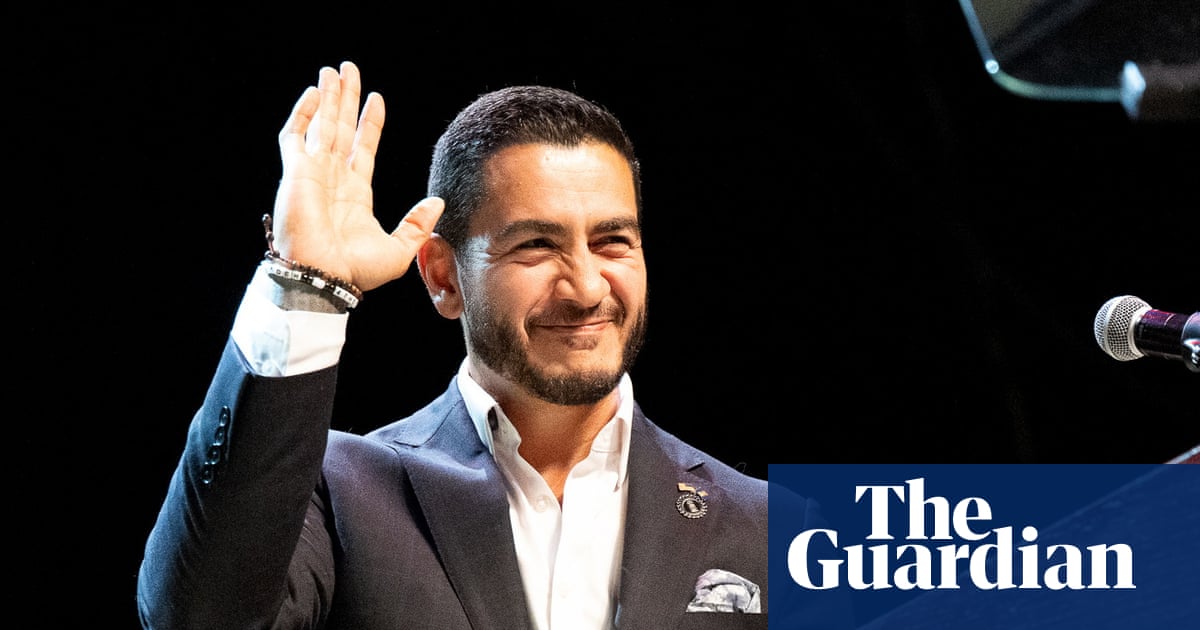
The Democratic primary for the U.S. Senate in Michigan remains undecided, with progressive candidate Abdul El-Sayed holding a narrow lead over establishment-backed Congresswoman Haley Stevens. As vote counting continues, the race has emerged as a critical indicator of the party’s direction and its prospects for regaining control of the Senate in November. The battleground state is central to national political strategy, making the outcome of this primary significant for both candidates and their respective factions.
Early returns indicate a tightly contested field. According to Associated Press data, El-Sayed had secured approximately 48.7 percent of the vote compared to Stevens’ 47.3 percent when 95 percent of ballots were counted. Other reporting suggests slightly different margins, with one account placing El-Sayed at 49.43 percent and Stevens at 45.85 percent. These discrepancies highlight the fluid nature of the count as late-arriving mail-in ballots are processed. The closeness of the race underscores deep divisions within the Michigan Democratic electorate.
El-Sayed, a former public health official, addressed supporters by acknowledging the uncertainty of the final result while expressing confidence in his position. He noted that while the official outcome would take time to determine, he already perceived victory in the current standings. Stevens, representing the more moderate wing of the party, faces a challenging path to overturning the early deficit. The contest reflects broader tensions between progressive and establishment candidates who are vying for influence in upcoming general elections.
In contrast to the deadlock in Michigan, the Democratic primary in Missouri concluded with a decisive victory for Congressman Wesley Bell. His win ended the comeback attempt by former Representative Cori Bush, a prominent progressive figure. This result has been interpreted as a setback for pro-Palestinian candidates who had gained momentum in recent electoral cycles. The divergence between the Michigan and Missouri outcomes illustrates the varied landscape of Democratic primary contests across different regions.
Meanwhile, Washington state saw Representative Marie Gluesenkamp Perez secure one of two spots in the all-party primary. She overcame criticism from both flanks of the political spectrum to advance to the general election, where she will face Republican State Senator John Braun. Her success adds another layer of complexity to the national picture, showing that candidates can navigate intense scrutiny and still emerge victorious in crowded fields.
Beyond domestic elections, international relations have seen a sharp escalation between the United States and Brazil. The Trump administration revoked the visa of Brazilian Ambassador Maria Luiza Ribeiro Viotti, marking a significant deterioration in diplomatic ties. This move follows a series of clashes involving Latin American politics, Venezuela, Cuba, and regional influence. The U.S. Department of State cited retaliation for Brazil’s refusal to approve a nominee for ambassador and its denial of visas to two American diplomats.
Brazilian officials condemned the visa revocation as part of a deliberate campaign to influence the upcoming presidential election in Brazil. President Luiz Inácio Lula da Silva, who is seeking a fourth non-consecutive term, has emphasized national sovereignty as a core theme of his campaign. His opponent, Senator Flávio Bolsonaro, maintains close political ties with Donald Trump. The diplomatic feud highlights the intersection of foreign policy and domestic electoral politics in both nations.
In other developments, OpenAI agreed to pay $3.2 million to settle claims by the U.S. Justice Department regarding hiring practices. The settlement addresses allegations that the company favored foreign workers with temporary visas while discriminating against American applicants. Although OpenAI denied wrongdoing, the agreement requires changes to recruitment procedures to ensure fair opportunities for U.S. workers in technology roles. This resolution reflects ongoing scrutiny of labor practices in the tech sector.
Global food security concerns are also rising due to the El Niño weather system. Forecasts suggest that approximately 50 million additional people could face acute hunger by next year, adding to the hundreds of millions already affected by drought and conflict-related price pressures. The United Nations World Food Programme warns that even a moderate El Niño event could push many countries further into food insecurity, exacerbating existing humanitarian crises.
As these events unfold, attention remains fixed on Michigan’s primary results. The final tally will not only determine the Democratic nominee for Senate but also signal which faction holds greater sway within the party heading into the general election. With counting still underway, stakeholders await a definitive conclusion to a race that has captivated national political observers.
Sources behind this briefing
Go to the original reporting
- The Guardian World↗Michigan Democratic race to close to call with El-Sayed in narrow lead | First Thing
- The Guardian US Politics↗Michigan Senate Democratic primary race remains too close to call as El-Sayed holds narrow lead – US politics live

