The short version
- Democratic candidate Abdul El-Sayed issued a statement distancing himself from streamer Hasan Piker while condemning antisemitism, though he stopped short of labeling Piker’s remarks as such.
- El-Sayed engaged in a heated debate with Fox News host Jesse Watters, pivoting discussions on social issues to criticize military spending and highlight rising living costs.
- The candidate faces challenges from centrist Democrats wary of his associations, while Republican opponents leverage these controversies to question his electability and moderation.
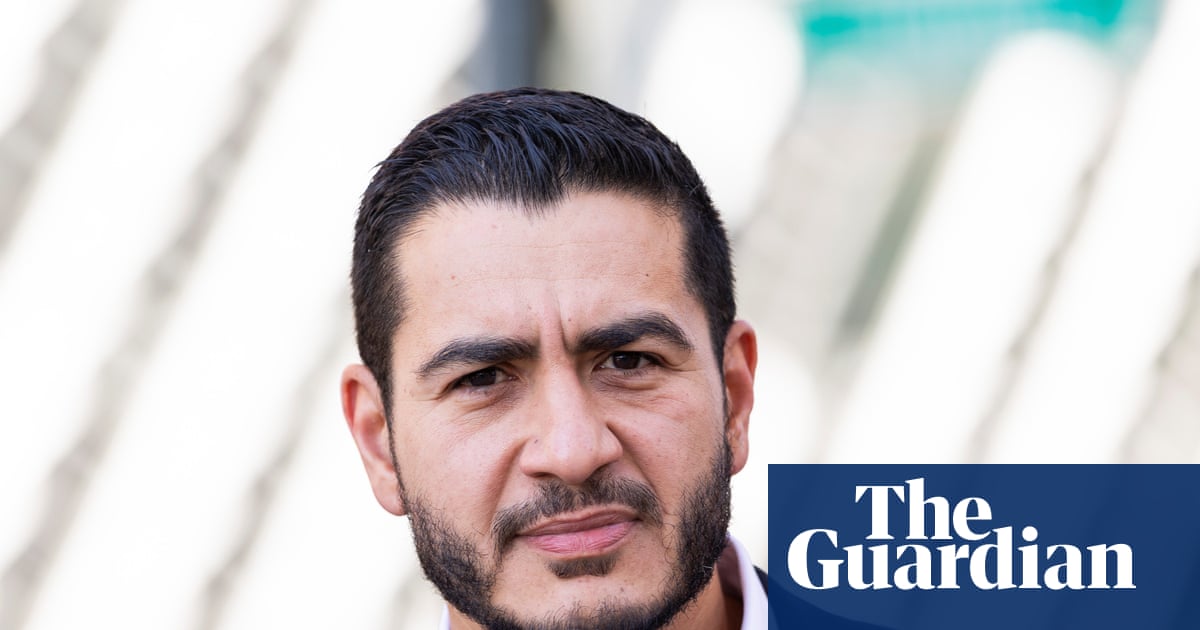
Abdul El-Sayed, the Democratic nominee for the U.S. Senate in Michigan, has spent the past week maneuvering through intense scrutiny from both ends of the political spectrum. His primary objective remains keeping affordability at the forefront of the campaign narrative, even as controversies surrounding his associations and media appearances threaten to overshadow economic messaging. The swing state race is characterized by a delicate balancing act, with El-Sayed attempting to unify diverse voter bases while fending off attacks that seek to define him by his peripheral connections rather than his policy platform.
A significant portion of this week’s attention centered on El-Sayed’s relationship with Hasan Piker, a prominent left-wing political streamer. Tensions escalated after Piker made comments regarding Jewish voters and their perceived alignment with Israel, suggesting that such views could endanger American Jews. These remarks drew sharp criticism from prominent Democrats, including House Speaker Hakeem Jeffries, who condemned the statements as dangerous and antisemitic without naming Piker directly. Representative Hillary Scholten also indicated reluctance to associate her name with El-Sayed’s campaign materials due to these associations.
In response to the growing pressure, El-Sayed released a statement affirming his commitment to Jewish safety, equating it to his concern for his own daughters. He described antisemitism as a scourge but did not explicitly label Piker’s comments as such. This nuanced position drew mixed reactions; some viewed it as a necessary step to distance the campaign from controversial rhetoric, while others criticized it as insufficient or as an attempt to moderate his stance on Israel under duress. El-Sayed emphasized that no one speaks for his campaign except him and his designated spokespeople, reinforcing his control over the narrative.
Simultaneously, El-Sayed faced scrutiny in a televised debate with Fox News host Jesse Watters. The exchange touched on various contentious topics, including gender-affirming care and circumcision, but El-Sayed consistently redirected the conversation toward economic issues. He criticized Republican opponent Mike Rogers and Defense Secretary Pete Hegseth, questioning the rationale behind proposed increases to the military budget. El-Sayed argued that such spending could lead to higher gas prices and entangle the nation in unwinnable conflicts, framing these fiscal decisions as direct threats to household budgets.
The candidate also addressed broader issues of hate speech during a press conference condemning Jake Lang, an agitator involved in the January 6 Capitol riot. El-Sayed highlighted religious unity in Michigan and linked the condemnation of bigotry to the everyday struggles of voters dealing with high grocery prices. This approach underscores his strategy of connecting moral and social concerns to tangible economic impacts, aiming to resonate with a broad electorate that prioritizes financial stability over ideological purity.
Republican opponents have seized upon these controversies to challenge El-Sayed’s electability. Mike Rogers has called for El-Sayed to disavow Piker entirely, labeling the streamer as his de facto running mate. This tactic aims to paint El-Sayed as either too radical for mainstream voters or inconsistent in his principles. Meanwhile, centrist Democrats remain cautious, with some expressing hesitation about endorsing him due to fears that his associations could alienate moderate voters or complicate coalition-building efforts.
Despite the noise, El-Sayed maintains that the core issues facing Michigan residents are economic. He has repeatedly stated that while pundits and politicians may focus on peripheral dramas, voters are primarily concerned with gas prices, groceries, schools, and healthcare. His campaign continues to advocate for policies such as Medicare for All and measures to reduce the influence of money in politics. This steadfast focus on affordability serves as both a shield against distractions and a sword aimed at highlighting the tangible benefits of his policy proposals.
Looking ahead, El-Sayed’s ability to maintain this narrative will be crucial. The upcoming weeks will likely see continued attempts by opponents to amplify controversies surrounding his associations and media appearances. However, if he can successfully keep the conversation centered on economic relief and practical solutions, he may mitigate the impact of these distractions. The race remains tight, with both sides vying for the support of undecided voters who are increasingly focused on their financial well-being in an uncertain economic climate.
The interplay between ideological debates and pragmatic policy discussions defines this campaign. El-Sayed’s strategy relies on demonstrating that his commitment to social justice does not preclude a focus on fiscal responsibility and everyday concerns. By navigating these complex dynamics, he aims to present himself as a candidate who can address both the moral and material needs of Michigan voters, thereby building a broad coalition capable of securing victory in this pivotal swing state.
Sources behind this briefing
Go to the original reporting
- The Guardian World↗From Hasan Piker to Jesse Watters, El-Sayed seeks to focus on affordability amid scrutiny from both sides

