The short version
- Abdul El-Sayed defeated establishment-backed Haley Stevens in Michigan's Senate primary, marking a significant win for progressive candidates despite polling inaccuracies.
- The results indicate growing voter skepticism toward pro-Israel stances within the Democratic Party in certain districts, though this trend was not uniform across all states.
- Democrats face immediate challenges in unifying their base and appealing to lower-income voters as they prepare for general election contests against Republican opponents.
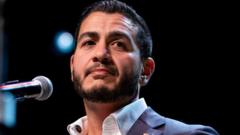
The outcome of Tuesday’s primary elections has introduced significant uncertainty into the Democratic Party’s strategy for the upcoming midterm elections. In Michigan, former health official Abdul El-Sayed secured a victory in the Senate race, defeating Congresswoman Haley Stevens in a contest that had been closely watched as a bellwether for national political sentiment. While El-Sayed had led in surveys for weeks, the final margin was narrower than anticipated, raising fresh questions about the reliability of modern polling data. This result sends clear signals to party leadership about the shifting preferences of Democratic voters, particularly regarding progressive policy platforms and foreign policy positions.
El-Sayed’s campaign was characterized by his alignment with left-wing figures such as Senators Bernie Sanders and Elizabeth Warren, as well as Representative Alexandria Ocasio-Cortez. He campaigned on a platform that included government-sponsored health insurance, reduced drug costs, increased taxes on wealthy individuals, and reforms to campaign finance laws. His slogan, emphasizing the removal of money from politics, resonated with many voters who felt disconnected from traditional establishment candidates. In contrast, Stevens relied heavily on support from Democratic leadership in Washington and substantial financial backing, including $32 million from the American Israel Public Affairs Committee. Outside groups favored Stevens by a wide margin, yet El-Sayed’s ability to connect with voters proved decisive.
The implications of this victory extend beyond Michigan. The state is a critical battleground in national politics, having not elected a Republican to the Senate since 1994. A loss for El-Sayed in the general election against former Congressman Mike Rogers could severely damage Democratic hopes of regaining control of the chamber. Conversely, a win would provide evidence that progressive candidates can succeed in competitive races, potentially influencing the party’s direction for the 2028 presidential cycle. Michigan’s role as an early primary state further amplifies its importance, giving it considerable influence over future nominations.
However, El-Sayed faces significant hurdles in uniting the party ahead of November. His support was strongest among higher-educated liberals, but he must now appeal to lower-income voters in Detroit and rural areas who backed Stevens. These demographics were not accurately reflected in pre-election polls, suggesting a disconnect between survey data and actual voter behavior. The narrowness of his primary victory underscores the need for careful coalition-building if Democrats hope to secure a win in the general election.
The broader pattern across Tuesday’s primaries reveals mixed signals regarding Democratic voters’ attitudes toward pro-Israel candidates. In Michigan, progressive Donavan McKinney defeated incumbent Shri Thanedar, who had been vocal in his support for continued U.S. aid to Israel. Similarly, William Lawrence, who advocates for an immediate end to arms sales to Israel, won a House seat in a key battleground district. These outcomes suggest a growing appetite for more critical stances on Middle East policy among some Democratic constituencies.
Yet this trend was not universal. In Washington, Congresswoman Marie Gluesenkamp Perez, who supports military aid to Israel, easily repelled a left-wing challenger. Her district, which voted for Donald Trump in 2024, makes her a prime target for Republicans in the general election. Meanwhile, in Missouri, Wesley Bell defeated Cori Bush, a founding member of the progressive “Squad,” in part due to her criticism of Israel. These contrasting results highlight the complexity of voter preferences and the challenges Democrats face in crafting a cohesive message.
The Republican Party, meanwhile, demonstrated continued cohesion under Donald Trump’s influence. His endorsements remained powerful tools in primary contests, reinforcing his hold on the party’s base. As both parties prepare for the general election, the stakes are high. Control of Congress and key state governments will be decided in these upcoming votes, making every primary result a critical piece of the puzzle.
Looking ahead, Democrats must navigate internal divisions while preparing to compete against well-funded and organized Republican opponents. The success or failure of progressive candidates like El-Sayed will likely shape the party’s identity and strategy for years to come. Whether they can bridge the gap between their liberal base and more moderate voters remains an open question, one that will be answered in the coming months as campaigns intensify.
For now, the focus shifts to the general election, where El-Sayed and other newly elected officials will test their ability to broaden their appeal. The outcomes of these races could redefine the Democratic Party’s approach to governance and representation, offering lessons that extend far beyond Michigan. As voters head to the polls in November, the decisions made in these primaries will loom large over the political landscape.
Sources behind this briefing
Go to the original reporting
- BBC World↗El-Sayed's victory sends tremors through Democratic Party

