The short version
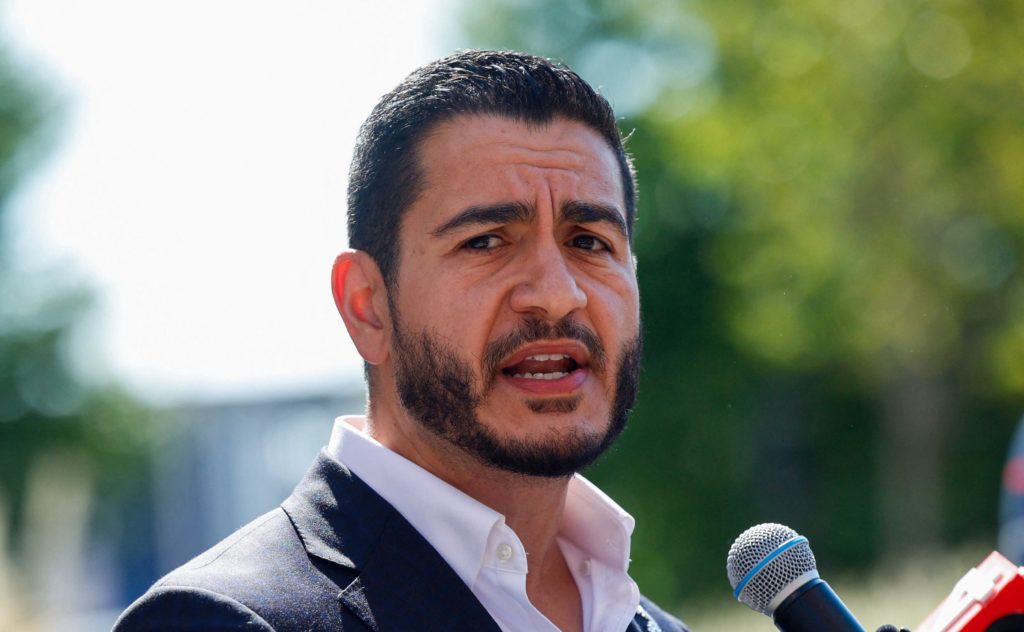
- Abdul El-Sayed defeated Rep. Haley Stevens in the Michigan Democratic Senate primary, marking a significant win for the party's progressive wing and setting up a general election against former Rep. Mike Rogers.
- The results reflect a broader trend of Democratic primary voters rejecting establishment-backed candidates in favor of insurgents, challenging the influence of major donors like AIPAC.
- While Republicans selected John James as their gubernatorial nominee with Trump’s endorsement, Democrats face immediate pressure to unify after a contentious primary cycle.
The outcome of Tuesday’s elections in Michigan offers compelling evidence that Democratic voters are increasingly willing to reject establishment-backed candidates, even in critical battleground states. Abdul El-Sayed, a progressive physician and activist, narrowly defeated Rep. Haley Stevens to secure the party’s nomination for the U.S. Senate seat currently held by retiring Sen. Gary Peters. This victory represents a notable departure from recent trends, where Democratic primary voters often aligned with party leaders’ preferences for moderate contenders.
El-Sayed’s win underscores a growing discontent among Democrats with the political status quo in Washington. Throughout much of the Trump era, the party base has generally followed leadership cues, favoring centrists like Stevens. However, this year’s electorate appears more receptive to insurgent voices who critique institutional power structures. El-Sayed capitalized on widespread frustration with traditional political machinery, positioning himself as an alternative to what he and his supporters describe as a system captured by wealthy interests.
The primary was marked by sharp contrasts in messaging and strategy. Stevens faced criticism from prominent figures such as Sen. Bernie Sanders, who characterized her as beholden to billionaire donors. El-Sayed, meanwhile, drew attention for his strong criticisms of U.S. policy toward Israel, including describing the military campaign in Gaza as genocide—a characterization rejected by both Israeli and U.S. officials. Stevens countered by questioning El-Sayed’s electability, suggesting that Republicans might prefer him as an opponent due to perceived vulnerabilities.
Despite the intense competition, party leaders moved quickly to emphasize unity following the primary. El-Sayed called for reconciliation during his victory speech, while Stevens offered her support, stressing the importance of defeating Republican nominee Mike Rogers in November. Mallory McMorrow, who had previously dropped out of the race, also joined El-Sayed, noting that internal differences pale in comparison to the stakes of the general election. This effort to mend fences comes as Democrats seek to maximize their chances of retaining control of the Senate.
The role of outside spending groups, particularly the American Israel Public Affairs Committee (AIPAC), emerged as a central theme in the Michigan contest. AIPAC invested heavily in Stevens’ campaign, contributing more than $30 million through itself and affiliated organizations. El-Sayed and his allies framed this intervention as evidence of undue influence by special interests. Following his victory, AIPAC announced plans to oppose El-Sayed, citing concerns about his stance on Israel. El-Sayed responded defiantly, challenging the organization’s efforts.
Beyond Michigan, Tuesday’s primaries revealed similar dynamics in other states. In Missouri, former Rep. Cori Bush fell short in her rematch against Rep. Wesley Bell, who had defeated her two years prior. Bush had previously attributed her loss to AIPAC’s involvement, vowing to hold the group accountable. These outcomes suggest that progressive candidates are gaining traction in Democratic primaries, potentially reshaping the party’s landscape ahead of the November elections.
On the Republican side, voters in Michigan selected Rep. John James as their nominee for governor, backed by President Trump’s endorsement. While Trump’s support typically carries significant weight within the GOP, it is not always decisive. In Georgia, for example, Rick Jackson defeated Trump-endorsed Burt Jones in a gubernatorial runoff despite heavy spending from the latter’s campaign. This pattern indicates that while endorsements matter, they do not guarantee success, especially when opponents invest substantial resources.
As the general election approaches, both parties face distinct challenges. Democrats must navigate internal divisions while preparing to defend key Senate seats against well-funded Republican campaigns. Republicans, meanwhile, aim to capitalize on any perceived weaknesses in their opponents’ records or messaging. The coming months will test whether the momentum generated by progressive victories can translate into broader electoral gains or if established structures will reassert themselves.
Looking ahead, the implications of these primary results extend beyond individual races. They signal a potential realignment within the Democratic Party, where grassroots activism and anti-establishment sentiment may play larger roles in shaping policy priorities and candidate selections. For now, all eyes turn to November, where the outcomes of these contests will determine not only local leadership but also national political trajectories.
In Virginia, additional primaries solidified matchups for upcoming elections, particularly given the state’s failure to redraw its congressional map earlier this year. These developments add complexity to an already crowded electoral calendar, requiring candidates and strategists to adapt quickly. As campaigns intensify, voters will likely see increased focus on issues such as healthcare, economic inequality, and foreign policy—topics that have defined much of the discourse leading up to these primaries.
Sources behind this briefing
Go to the original reporting
- PBS NewsHour↗Takeaways from Tuesday's elections in Michigan and more

