The short version
- Michael Johnson states that all athletes contracted with Grand Slam Track have now been paid in full.
- Johnson denies accusations of secretly taking money, explaining he used personal funds to cover travel costs and loaned the company two million dollars.
- The league filed for bankruptcy in late 2025 after investors withdrew support, leaving debts exceeding thirty million dollars.
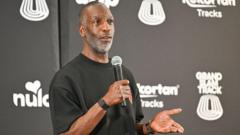
Michael Johnson has provided his first public comments regarding the financial collapse of Grand Slam Track since the organization voluntarily entered bankruptcy proceedings in December 2025. The four-time Olympic champion addressed widespread speculation about his personal financial involvement with the defunct league, asserting that he has successfully secured payments for all contracted athletes. This clarification comes months after creditors filed legal documents accusing Johnson of prioritizing his own compensation over the interests of competitors and staff during the final days of the competition's inaugural season.
The controversy centers on allegations made in March 2026 by GST creditors, who claimed that Johnson had secretly transferred five hundred thousand dollars to himself just days before the league ceased operations. At the time, a representative for Grand Slam Track dismissed these accusations as unfounded and false. Johnson now seeks to provide a detailed account of those transactions, describing them not as illicit withdrawals but as necessary expenditures to maintain basic operational functions when corporate credit lines were exhausted.
According to Johnson, the league faced severe cash-flow constraints that left its corporate credit card completely maxed out. With ninety-six athletes and their companions requiring transportation to events in Miami and Philadelphia, the organization needed to house approximately one hundred seventy people across both cities. Unable to process these essential bookings through company accounts, Johnson instructed his travel team to charge the expenses to his personal credit card with the understanding that he would be reimbursed later. He emphasized that the funds he received were strictly reimbursements for out-of-pocket costs incurred on behalf of the league.
Beyond covering immediate logistical expenses, Johnson stated that he personally loaned two million dollars to Grand Slam Track to ensure that athletes could be compensated and cared for during the crisis. In doing so, he chose to forgo his own salary entirely. This financial intervention was intended to stabilize the situation temporarily while the organization navigated its insolvency. The move stands in direct contrast to the narrative presented by creditors, who suggested that Johnson had enriched himself at the expense of the broader athletic community.
The financial turmoil at Grand Slam Track began when investors withdrew their support, creating what Johnson described as a catastrophic capital issue. The league had promised lucrative prize money and salaries to competitors during its first season, but the final event in Los Angeles was cancelled before these obligations could be fully met. Several high-profile athletes were left with significant unpaid balances, including British former world 1500-meter champion Josh Kerr and Matthew Hudson-Smith, who won silver in the 400 meters at the 2024 Paris Olympics. Both athletes were reportedly owed more than one hundred thousand pounds each.
The scale of the league's financial distress was highlighted by the Association of Athletics Managers, which represents numerous competitors in the sport. In January, the association reported that Grand Slam Track had accumulated debts totaling more than thirty million dollars. This figure underscores the magnitude of the shortfall that Johnson and other stakeholders faced as the organization unraveled. The bankruptcy filing in the United States marked the end of an ambitious but short-lived attempt to create a new premier circuit for track and field athletes.
Johnson described the emotional toll of the situation, noting that he experienced significant sleeplessness and anxiety over the negative publicity and its potential impact on his reputation. He expressed deep concern about whether athletes believed the false reports regarding his conduct, which led him to question his own motivations and integrity during the darkest moments of the crisis. The stress extended to his family, who shared in the burden of defending his character against public accusations that he had acted improperly.
Having stepped back from his role as a BBC pundit and commentator after the Paris 2024 Olympics to focus on Grand Slam Track, Johnson is now re-emerging into the public eye with this clarification. His statement aims to close the chapter on the financial disputes surrounding the league's failure. By confirming that athletes have been paid and detailing his personal financial sacrifices, Johnson hopes to restore trust in his professional standing and provide closure to a contentious period in modern track and field history.
The resolution of these payment issues marks a significant development for the affected athletes, many of whom had waited months for compensation promised under their contracts. While the league itself is no longer operational, the settlement of debts provides a measure of financial stability for those who participated in its inaugural season. The case serves as a cautionary tale about the risks associated with new sporting ventures that rely heavily on external investment and complex logistical operations.
As the dust settles on the Grand Slam Track saga, attention may shift toward how such failures impact future innovations in sports broadcasting and competition structures. Johnson's willingness to engage directly with the allegations suggests a desire to move forward without lingering legal or reputational baggage. The clarity he provides offers a rare glimpse into the behind-the-scenes financial pressures that can quickly overwhelm even high-profile sporting initiatives when capital dries up unexpectedly.
Sources behind this briefing
Go to the original reporting
- BBC News↗Athletes from bankrupt track league have now been paid - Johnson

