The short version
- Unam annulled thousands of results and ordered approximately 58,000 students to resit exams in person due to suspected widespread fraud.
- Statistical analysis revealed a dramatic spike in perfect scores compared to previous years, prompting investigations into leaked questions and AI-assisted cheating.
- The admission freeze has delayed the start of the academic year and sparked protests from applicants who feel unfairly targeted by the retroactive measures.
The National Autonomous University of Mexico, the country’s largest and most prestigious higher education institution, has suspended its entire admissions process following a severe breach of exam integrity. The university announced that approximately 58,000 applicants must retake their entrance examinations under strict in-person conditions. This drastic measure comes after the initial remote testing cycle produced statistically improbable results that raised immediate concerns about widespread cheating and systemic fraud.
The controversy centers on the university’s decision to administer its highly competitive entrance exam online for the first time this year. The move was intended to improve equity by allowing students from distant regions to participate without traveling to Mexico City. However, the digital format, which relied on AI-powered webcam monitoring with voice and facial recognition features, failed to prevent irregularities. University officials stated that the technology did not adequately stop candidates from receiving external assistance or impersonating others.
Data analysis of the test scores revealed stark deviations from historical norms. Between 2021 and 2025, only 3.5% of applicants achieved a perfect score of 100 or higher out of 120. In contrast, this year’s results showed that 16% of candidates reached that threshold. The proportion of students scoring 110 or above increased sixfold, rising from 0.9% to 5.5%. These anomalies were particularly pronounced in the medicine program, where nearly 30% of applicants scored 100 or higher, compared to just 9% in the previous year.
Independent technical experts reviewing the data suggested that the scale of the fraud may be even larger than officially acknowledged. One expert estimated that nearly half of all exams, totaling approximately 75,000 tests, could have involved some form of cheating. Reports indicate that test questions were leaked and sold online during the examination period in May and June. Additionally, strategies for bypassing security measures were widely circulated among applicants before the test went live.
In response to the scandal, Unam annulled 3,174 exam results after detecting specific irregularities such as identity fraud and unauthorized aid. The university filed a criminal complaint against individuals and companies suspected of offering fraudulent services to applicants and their families. President Claudia Sheinbaum indicated that if criminal activity occurred, it would be handled by the prosecutor’s office, emphasizing that support is available but legal accountability is paramount.
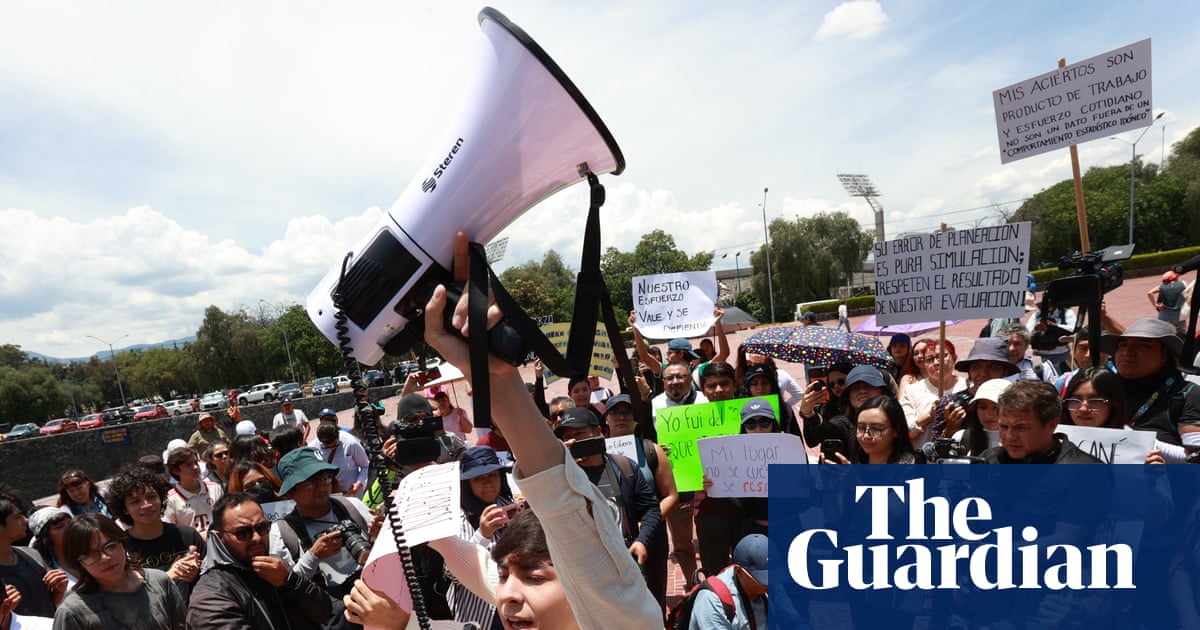
The decision to mandate retakes has triggered significant backlash from students who believe they were accepted fairly. Hundreds of applicants protested in Mexico City on Monday, blocking major thoroughfares in the southern part of the capital. They expressed frustration over the uncertainty and the burden of having to restart the admissions process after believing their applications were successful.
University Rector Leonardo Lomelí acknowledged the mistake, stating that the institution recognizes its errors and acts with responsibility rather than complacency. He apologized to candidates who had been fairly accepted but would now be required to take a control exam. Lomelí emphasized that ensuring certainty and guaranteeing equity in access to education necessitated this difficult step, despite the disruption it causes.
The admission freeze has forced the university to delay the start of the academic year for new students from August 10 to August 31. A technical committee has been appointed to determine the fate of the remaining applicants who did not fall into the resit category. This unprecedented halt in admissions marks a significant crisis in the university’s 115-year modern history, highlighting the challenges of integrating digital tools into high-stakes testing environments.
With more than 150,000 applicants competing for roughly 22,000 places this year, the stakes for these students are exceptionally high. The incident underscores the difficulties institutions face in maintaining fairness when transitioning to remote assessment methods. As investigations continue, the university must balance the need for rigorous standards with the practical realities of managing a massive applicant pool under public scrutiny.
The situation remains fluid as authorities investigate potential misconduct and the university prepares for the rescheduled exams. The outcome will likely influence how other educational institutions approach digital testing in the future. For now, thousands of students face an uncertain path to enrollment, while the broader implications for academic integrity in Mexico’s higher education sector are still being assessed.
Sources behind this briefing
Go to the original reporting
- The Guardian US↗Mexico’s top university orders 58,000 students to resit entrance exam after suspected cheating

