The short version
- Mexico and Peru have agreed to re-establish diplomatic relations, ending a dispute that began when Mexico granted asylum to former Peruvian Prime Minister Betssy Chávez.
- The reconciliation follows the inauguration of Keiko Fujimori as Peru’s new president, signaling a shift in bilateral engagement despite ongoing legal proceedings against Chávez.
- Peru has allowed Chávez safe passage out of the country but retains the right to seek her eventual extradition for charges related to the 2022 attempt to dissolve Congress.
Mexico and Peru have formally agreed to restore diplomatic relations, concluding a period of severed ties that originated from a contentious asylum case involving a high-ranking former Peruvian official. The two nations issued a joint statement on August 7, citing long-standing bonds of friendship and cooperation as the foundation for their reconciliation. This agreement marks a significant de-escalation in tensions that had previously led Peru to declare the Mexican president persona non grata and cut off diplomatic channels entirely.
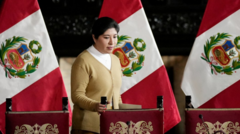
The core of the dispute centered on Betssy Chávez, who served as Peru’s prime minister before seeking refuge in the Mexican embassy in Lima during November 2025. Chávez was a central figure in the political turmoil surrounding former President Pedro Castillo’s attempt to dissolve Congress and install an emergency government in December 2022. Following that failed maneuver, Castillo was arrested on rebellion charges, while Chávez faced imprisonment for her alleged role in the plot. She had been released on bail in September 2025 but remained under legal scrutiny.
Mexico’s decision to grant asylum to Chávez drew sharp criticism from Lima, which viewed the move as an interference in its judicial processes. The Peruvian government maintained that Chávez was a fugitive from justice rather than a political refugee. Despite the shelter provided by Mexico, Peru did not block her departure entirely. Instead, authorities facilitated her safe passage out of the country, allowing her to travel to Mexico while explicitly reserving the right to request her extradition at a later date.
The timing of the diplomatic thaw coincides with a change in leadership in Peru. Keiko Fujimori assumed the presidency last week, bringing a new administration to power that appears eager to normalize international relations. The restoration of ties comes shortly after both Chávez and Castillo were sentenced to more than 11 years in prison for their roles in the 2022 crisis. These convictions underscore the continued legal jeopardy facing those associated with the attempted coup, even as diplomatic channels reopen.
In a joint declaration, officials from both countries reaffirmed their commitment to international law and the principles outlined in the United Nations Charter. This language suggests an attempt to frame the resolution not merely as a political convenience but as a return to established norms of state conduct. The statement emphasized historic ties between the two nations, aiming to project stability and continuity despite recent disruptions.
Mexican President Claudia Sheinbaum had previously expressed support for Castillo during the height of the crisis, welcoming Chávez into Mexico as a gesture aligned with her government’s stance on political asylum. This position contrasted sharply with Peru’s view that the actions constituted illegal rebellion rather than legitimate political dissent. The divergence in perspectives highlighted broader ideological differences regarding democratic processes and judicial sovereignty in the region.
Peruvian Foreign Minister Carlos Espá confirmed to local media that Chávez had already left Peru under the agreed terms. His comments indicated a pragmatic approach to resolving the standoff, prioritizing the restoration of diplomatic functionality over prolonged confrontation. By allowing her exit while maintaining extradition rights, Peru sought to balance legal interests with diplomatic necessities.
The resolution of this dispute removes a significant obstacle to regional cooperation between two major Latin American economies. While the underlying legal cases against Chávez and Castillo remain active, the re-establishment of diplomatic relations allows for renewed dialogue on trade, security, and other bilateral issues. The incident serves as a reminder of how domestic political crises can spill over into international relations, requiring careful negotiation to restore normalcy.
Looking ahead, both governments will likely focus on rebuilding institutional trust that was damaged during the period of severed ties. The precedent set by this agreement may influence how future asylum cases are handled in the region, particularly those involving high-profile political figures. For now, the immediate priority is ensuring that diplomatic channels remain open and functional as Peru navigates its post-coup political landscape.
Observers note that while the diplomatic rift has been healed, the political divisions within Peru persist. The new administration faces the challenge of consolidating power while managing ongoing legal proceedings against former leaders. The restoration of ties with Mexico provides a degree of external stability, but internal reconciliation remains a complex and unresolved task for Peruvian society.
Sources behind this briefing
Go to the original reporting
- BBC World↗Mexico and Peru restore diplomatic relations after asylum row

