The short version
- A Mexican judge sentenced three defendants to over 158 years in prison each for the homicide and robbery of three surfers in Baja California.
- The victims, identified as Australian brothers Jake and Callum Robinson and their American companion Carter Rhoad, were killed during a trip in 2024.
- The Robinson family has established a foundation to honor their sons while noting that cartel violence rarely targets tourists despite regional instability.
A judicial ruling in Mexico has brought a formal conclusion to the prosecution of three men accused of killing two Australian brothers and an American friend during a surfing vacation. A judge in Baja California sentenced each defendant to 158 years and nine months behind bars following a guilty verdict delivered one week prior. The convictions cover multiple charges, including homicide, aggravated robbery, violent robbery, and vehicle theft with violence.
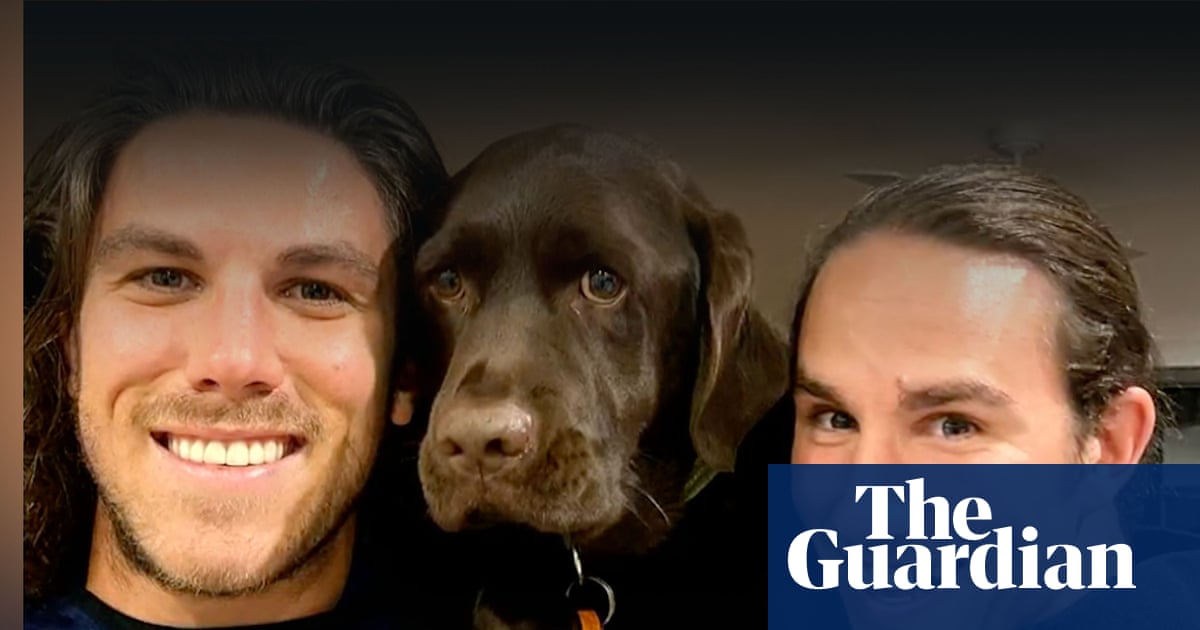
The victims were Jake Robinson, Callum Robinson, and Carter Rhoad. They were traveling through the state of Baja California in 2024 when they were shot dead. Authorities characterized the incident as a suspected robbery. The legal proceedings took place in Ensenada, a port city where the trial commenced on September 7. Martin and Debra Robinson, parents of the deceased brothers, traveled from Australia to attend the final stages of the court process.
Jesus Gerardo, who operates under the alias “El Kekas,” was identified by prosecutors as the leader of the attack. His surname remains undisclosed due to legal protections. Two other individuals, Irineo Francisco and Angel Jesus, were also found guilty and received identical sentences. The court’s decision reflects the severity of the crimes committed against the three men, who were targeted while traveling through a region known for complex security challenges.
Baja California faces significant issues related to organized crime and drug trafficking, ranking among the most violent states in Mexico. However, local officials and observers have noted that cartel-related violence typically does not extend to tourists. The attack on Robinson, Robinson, and Rhoad represents an exception to this general pattern, though it is not entirely unique. Foreign visitors have occasionally been targeted in criminal incidents along Mexico’s Pacific coast.
The case echoes earlier tragedies involving international travelers in the region. In 2015, two Australian surfers named Dean Lucas and Adam Coleman were killed while traveling through Sinaloa, a northwestern state. Their bodies were later burned, highlighting the dangers that can occasionally intersect with tourism in areas affected by illicit trade. These incidents underscore the unpredictable nature of violence in certain parts of Mexico, even when such events are statistically rare for visitors.
In response to the loss of their sons, Martin and Debra Robinson have launched the Callum and Jake Robinson Foundation. The organization aims to preserve the legacy of the brothers by encouraging others to live more fully. Its stated mission is to help people shine brighter and love harder in honor of Jake and Callum. This initiative serves as a focal point for the family’s grief and their desire to transform tragedy into positive community impact.
The sentencing marks a significant step in the judicial response to the 2024 murders. While the legal process has concluded with convictions, the broader implications for tourism safety remain nuanced. Authorities continue to emphasize that most visitors travel without incident, even in states with high crime rates. The case illustrates the intersection of personal tragedy and systemic security issues in northern Mexico.
International attention on the case has highlighted the importance of due process in cross-border criminal matters. The presence of the victims’ family at the trial underscored the human cost of the violence. As the defendants begin their sentences, the focus shifts to the long-term effects of the ruling on both the families involved and public perception of safety in Baja California.
The foundation established by the Robinsons will likely play a role in ongoing discussions about traveler safety and community resilience. By channeling their energy into charitable work, the parents seek to ensure that their sons’ memories contribute to broader social good. This approach reflects a growing trend among families affected by violent crime to create lasting institutions rather than solely seeking retribution.
Legal experts note that the length of the sentences reflects the gravity of the charges and the impact on the victims’ families. The combination of homicide and robbery charges resulted in substantial prison time for each defendant. This outcome may serve as a precedent for similar cases involving foreign nationals in Mexico, although each case is evaluated on its specific merits and evidence.
Sources behind this briefing
Go to the original reporting
- The Guardian US↗Mexican judge sentences three men to 158 years in prison for murders of Australian and US surfers