The short version
- Meta agreed to pay $18 billion and implement usage limits for minors in the US, a fraction of the damages sought by state attorneys general.
- International cases, including a lawsuit in Kenya regarding algorithmic amplification of violence, remain unresolved and highlight gaps in global accountability.
- Critics contend that the settlement’s superficial changes to content feeds do not address the fundamental design flaws driving engagement and harm worldwide.
Meta has reached an $18 billion settlement with twenty-nine United States states, resolving allegations that the company engineered addictive products to hook young users. The agreement marks a significant legal milestone in the US, where state attorneys general argued that congressional inaction had left tech giants unchecked. Under the terms of the deal, Meta will impose time limits on children’s use of Facebook and Instagram and block access during nighttime hours. California’s attorney general characterized the outcome as a major victory for families, suggesting it would create meaningful protections for minors.
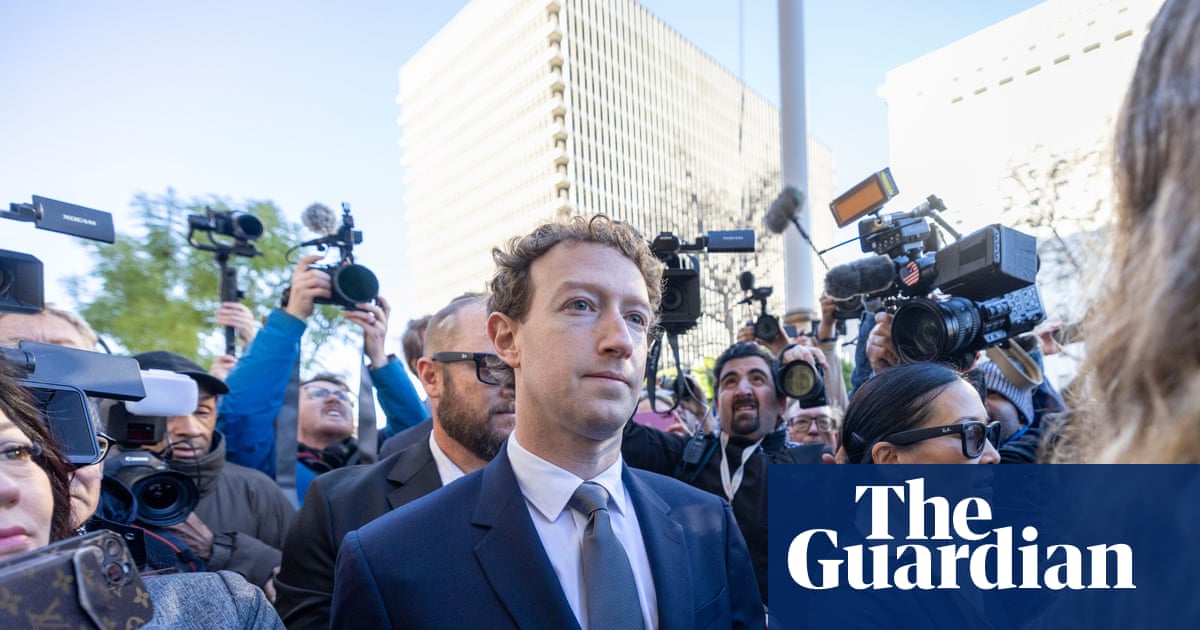
For Meta, the settlement also represents a strategic win. The company avoided a trial that could have forced CEO Mark Zuckerberg to testify under oath. Furthermore, the financial penalty is substantially lower than the $200 billion sought by the states or the up to $1.4 trillion in potential damages estimated in earlier court filings. Following the announcement, Meta’s stock price increased, signaling investor confidence that the company had contained a major legal risk without undergoing structural dismantling or admitting to systemic misconduct.
However, the impact of this agreement extends beyond US borders, raising questions about its relevance to global users. Many of the restrictions imposed in the United States, such as usage limits for minors, mirror regulations already enacted or proposed in countries like the United Kingdom and Australia. While other governments might seek similar concessions, such as default daily time caps for teenagers, the settlement does not establish a new international precedent for algorithmic accountability. The core mechanisms that drive user engagement remain largely intact.
In contrast to the resolved US litigation, legal challenges in other jurisdictions are still pending or stalled. In Kenya, a lawsuit filed by Abrham Meareg remains unheard nearly four years after its initiation. Meareg’s case centers on the death of his father, an Ethiopian chemistry professor who was shot in 2021 during the country’s civil war. According to Meareg and Foxglove, a nonprofit supporting the suit, Facebook’s algorithm actively promoted posts calling for the academic’s murder, including images of him and his home address. Despite repeated requests for removal, Meta took no action.
Meareg argues that Meta treats user safety as a statistical abstraction rather than a human concern. His case highlights the disparity between US regulatory outcomes and the realities faced by users in regions with less robust legal frameworks. The lawsuit alleges that sparse moderation efforts in East Africa allowed harmful content to proliferate unchecked. This situation underscores the difficulty of holding a single US-based corporation accountable for its global impact, particularly when it operates outside the direct oversight of local voters or transparency requirements.
The central controversy in both the US and international cases involves Meta’s recommendation algorithm. This system determines which content appears in user feeds by analyzing behavior patterns, such as lingering on specific videos or searching for certain topics. Critics argue that this design prioritizes engagement over safety, amplifying extreme content to keep users scrolling. In various contexts, the algorithm has been accused of promoting anorexia influencers to teenage girls, radicalizing young men through bodybuilding and extremist content, and exacerbating ethnic violence in Myanmar.
Early expectations for the US trial included hopes that states would force Meta to overhaul its core algorithmic processes. Such changes could have fundamentally altered how the company generates revenue through advertising. Instead, the settlement requires only minor adjustments to what minors see, primarily by removing personalized feeds for this demographic. Experts suggest these measures are insufficient to mitigate harm in conflict zones or fragile democracies where algorithmic amplification can incite violence.
Arturo Béjar, a former Facebook employee and whistleblower, criticized the limitations of the settlement. He compared the new rules to allowing unrestricted smoking within a two-hour window, arguing that they do not make the underlying product safer. The concessions made in the US do little to address the broader issue of a powerful tech company shaping political realities and social dynamics worldwide without adequate checks.
As other governments consider their own regulatory approaches, the Meta settlement offers limited guidance. While it demonstrates that state-level action can extract financial penalties and minor operational changes, it does not resolve the deeper questions about algorithmic transparency and global responsibility. Individuals and groups outside the US may need to pursue independent legal avenues to demand more substantial reforms.
The divergence between the US outcome and ongoing international cases illustrates the fragmented nature of global tech regulation. While American regulators have secured a financial settlement and some user protections, users in places like Ethiopia continue to face risks from unmoderated content. The effectiveness of future regulatory efforts will depend on whether governments can move beyond superficial usage limits to address the fundamental design choices that drive engagement at the expense of safety.
Sources behind this briefing
Go to the original reporting
- The Guardian World↗What could Meta’s US settlement mean around the world – and what now for other claims against firm?

