The short version
- Meta temporarily suspended the No Kings Coalition’s Instagram account during a major demonstration focused on early voting, citing an automated response to high-frequency posting.
- Organizers rejected the technical explanation, arguing that their activity levels did not warrant such action and demanding a clearer justification for restricting political communication.
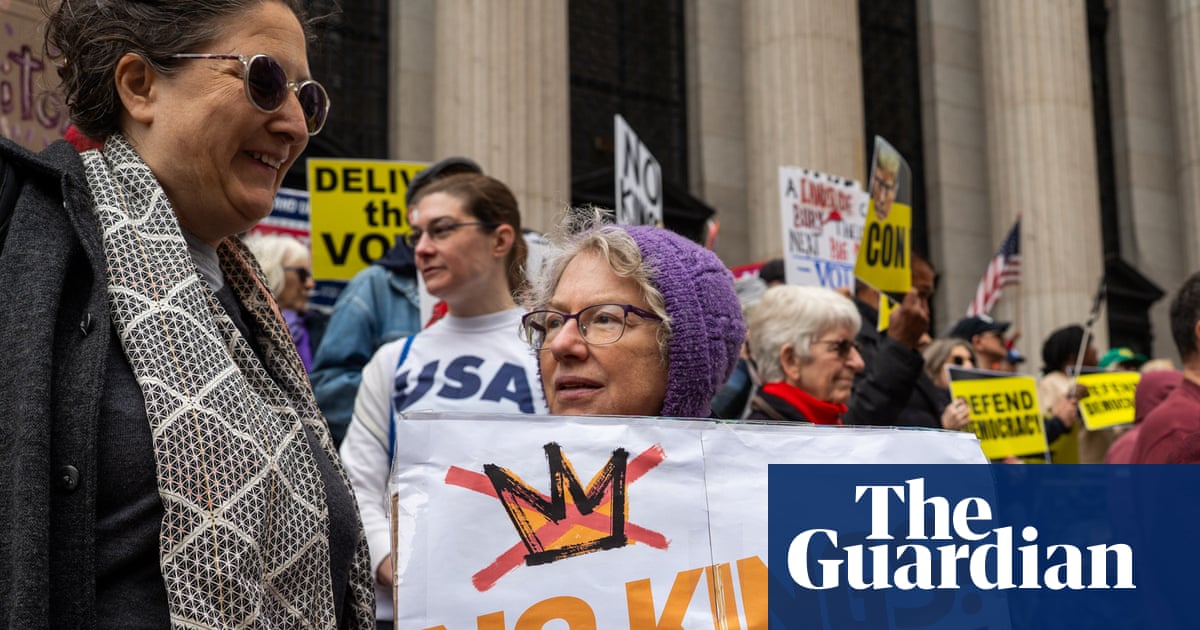
- Despite the digital disruption, hundreds of in-person events proceeded across the country, with participants emphasizing voter mobilization and expressing skepticism about election integrity.
A temporary suspension of the No Kings Coalition’s Instagram account during a weekend of nationwide demonstrations has reignited debates over content moderation and free expression on major social media platforms. The disruption occurred while organizers were actively promoting early voter turnout, a central theme of the current protest cycle leading up to the midterm elections. Meta, the parent company of Instagram, stated that an automated system triggered the shutdown due to what it described as high-frequency posting, sharing, or commenting activity.
Company representatives acknowledged the error on Sunday, apologizing for the inconvenience and confirming that access had been restored. A spokesperson explained that the action was taken automatically when accounts exhibit unusual engagement patterns, a mechanism designed to prevent spam or abuse but which in this instance appeared to misidentify legitimate political organizing as problematic behavior. The company emphasized that systems are now functioning correctly, though it did not provide detailed metrics on what specific thresholds were crossed.
Leaders within the No Kings movement expressed significant frustration with the incident, viewing it as more than a simple technical glitch. They argued that restricting communication channels during a critical period for democratic participation is unacceptable, regardless of the underlying cause. Organizers noted that their team had only posted a limited number of updates and was livestreaming to thousands of viewers, suggesting that the volume of activity did not align with Meta’s description of excessive posting.
Skepticism regarding the platform’s explanation remains high among coalition members, who fear that such automated tools may be disproportionately applied to political dissent. The group has called for a transparent explanation from Meta, insisting that accountability is necessary to prevent future disruptions. This incident adds to broader concerns about how algorithmic moderation systems handle politically sensitive content, particularly when those systems lack human oversight or clear appeal processes.
Political figures have also weighed in on the controversy, with Senator Bernie Sanders criticizing the role of billionaire-owned media platforms in suppressing political voices. He framed the suspension as part of a larger pattern where corporate control over digital infrastructure undermines democratic participation. While Meta has not commented directly on the political implications, the timing of the outage—during a peak moment for voter mobilization efforts—has drawn scrutiny from advocates who monitor election-related interference.
Despite the online disruption, physical demonstrations continued uninterrupted across multiple cities. In Washington, D.C., hundreds of attendees gathered at the Lincoln Memorial, where participants danced and held signs advocating for early voting and protecting electoral rights. The atmosphere was described as energetic but focused, with organizers using the platform to reinforce messages about civic duty rather than engaging in confrontational tactics.
Similar scenes unfolded in Atlanta, where local officials addressed crowds about the constitutional power of voting. City Councilman Michael Julian Bond urged attendees to exercise their franchise, highlighting the importance of participation in shaping policy outcomes. In Los Angeles, protesters braved sweltering heat, carrying umbrellas and marching behind a mobile stage while chanting for specific legislative changes, including the abolition of Immigration and Customs Enforcement and the implementation of a billionaire tax.
The No Kings movement, which emerged last summer in response to federal layoffs, immigration enforcement actions, and foreign policy decisions, has evolved to focus heavily on electoral integrity. This shift is partly driven by concerns over recent Supreme Court rulings that weakened voting rights protections and fears that former President Donald Trump might again challenge election results without basis. Organizers are recruiting volunteers to prepare for potential attempts to undermine the voting process, viewing these protests as a defensive measure against perceived threats to democracy.
As the midterm elections approach, the intersection of digital platform governance and political organizing remains a contentious issue. The No Kings Coalition’s experience underscores the vulnerability of activist groups to automated moderation systems that may not distinguish between malicious activity and legitimate civic engagement. While Meta has apologized, the incident serves as a reminder of the challenges facing both platforms and users in navigating the complex landscape of online speech and election security.
Looking ahead, organizers plan to continue their mobilization efforts, leveraging both digital and physical spaces to encourage voter participation. The coalition’s demand for transparency from Meta reflects a broader call for accountability in how social media companies manage political content. Whether this incident leads to policy changes or improved moderation practices remains uncertain, but it has certainly heightened awareness of the risks associated with relying on automated systems for content regulation during critical democratic moments.
Sources behind this briefing
Go to the original reporting
- The Guardian World↗Outrage after Meta suspends No Kings Instagram account during protests