The short version
- Chancellor Friedrich Merz rejected calls for his resignation following significant electoral losses for his party in two regional elections.
- The Christian Democratic Union fell below the five percent threshold in Mecklenburg-Western Pomerania, a historic low that allowed the far-right AfD to become the strongest faction.
- Coalition partners from the Social Democrats are demanding modifications to proposed pension and healthcare reforms, citing voter dissatisfaction revealed by recent polls.
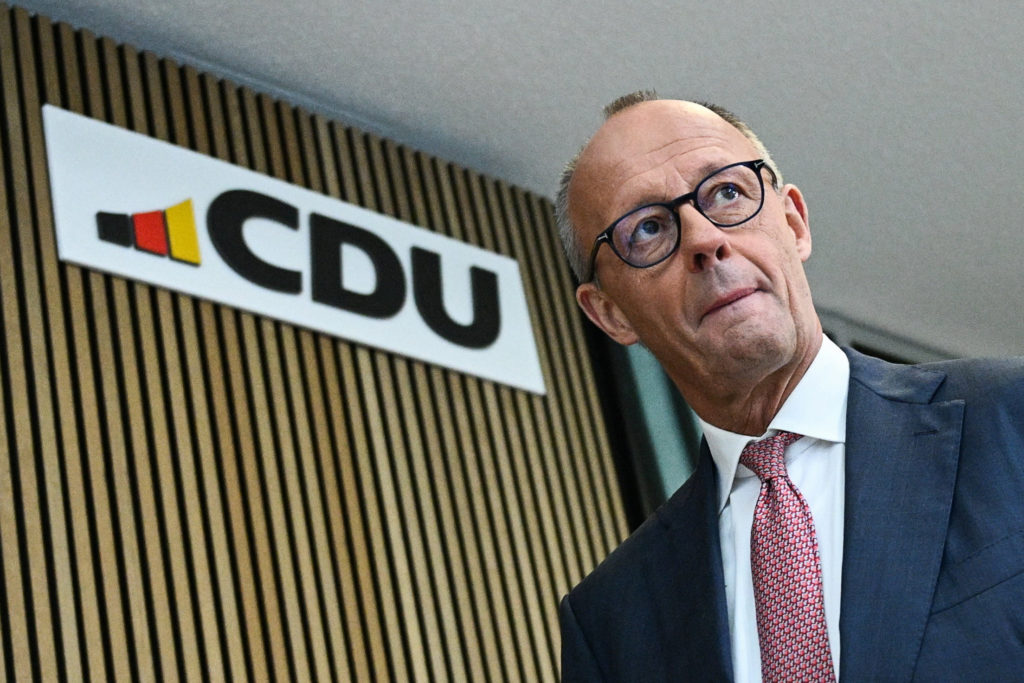
German Chancellor Friedrich Merz has reaffirmed his commitment to remain in office despite severe electoral setbacks for his center-right Christian Democratic Union. The party suffered two distinct defeats in regional elections held on Sunday, marking a significant moment of vulnerability for the governing coalition. In Mecklenburg-Western Pomerania, the CDU received less than five percent of the vote, failing to qualify for representation in the state legislature. This outcome represents the first time in seventy-seven years of modern German history that the party has been excluded from a regional parliament.
The results in the Baltic Sea region were described by Merz as a disaster. The far-right Alternative for Germany emerged as the strongest political force in the area, capitalizing on widespread dissatisfaction with mainstream parties. Meanwhile, in Berlin, the CDU dropped to second place behind the hard-left Left Party. Although the Left Party is positioned to lead the next city government, coalition negotiations could still allow the CDU to retain influence in the capital. These outcomes have intensified scrutiny of Merz’s ability to maintain political stability and advance his legislative agenda.
Despite the magnitude of these losses, there has been no immediate movement within the party to challenge Merz’s leadership. Speculation regarding his potential departure had circulated following a previous defeat by the AfD in Saxony-Anhalt two weeks prior. However, party leadership meetings held over the weekend and Monday did not include discussions about replacing the chancellor. Merz stated that no personnel questions were raised during these sessions, signaling a degree of internal cohesion despite external pressures.
Merz acknowledged the need for his party to improve its public profile and address voter concerns more effectively. He emphasized that the governing coalition has a historic responsibility to prepare Germany for future challenges, rejecting what he characterized as simplistic solutions offered by extremist groups. The chancellor argued that governance requires difficult decisions and that easy answers are rarely available in complex political environments. His stance reflects an attempt to frame the electoral losses as a call for perseverance rather than a mandate for change.
The Social Democrats, who serve as junior partners in the national coalition, have responded to the election results by demanding adjustments to the government’s reform plans. Vice Chancellor Lars Klingbeil noted that ignoring voter signals from three recent state elections would be politically untenable. He stressed that any reforms must be perceived as fair and enjoy broad public support. This position aligns with concerns raised by other coalition members about the potential social impact of proposed changes to the pension and healthcare systems.
Labor Minister Bärbel Bas echoed these sentiments, calling for a reality check on the current reform proposals. She highlighted the controversy surrounding a plan to eliminate early retirement benefits for individuals who have contributed to the pension system for forty-five years. While expressing optimism about finding compromises, Bas warned that allowing technical disagreements to fracture the coalition would be detrimental to the government’s stability. Her comments underscore the delicate balance required to maintain unity while addressing public discontent.
The political landscape in Germany remains volatile, with five state elections scheduled for next year. Three of these contests will take place in April, including a pivotal vote in North Rhine-Westphalia, the country’s most populous state. The outcome in North Rhine-Westphalia could have significant implications for Merz’s standing, given that the region is currently led by Hendrik Wüst, a prominent CDU figure often mentioned as a potential successor. None of the upcoming elections are located in eastern Germany, where the AfD has demonstrated particular strength.
As the government navigates this period of uncertainty, the focus will likely shift to how coalition partners negotiate the specifics of economic reforms. The recent electoral defeats have highlighted the risks associated with pushing through unpopular measures without sufficient public backing. Merz’s ability to retain support from both his own party and coalition allies will depend on his capacity to adapt policy proposals while maintaining a coherent vision for Germany’s future. The coming months will test the resilience of the current administration in the face of growing political fragmentation.
Sources behind this briefing
Go to the original reporting
- PBS NewsHour↗Germany's Merz faces election defeats, but no sign of leadership challenge

