The short version
- Friedrich Merz has pledged to maintain his coalition government despite severe electoral setbacks for his party in recent state elections.
- The Christian Democratic Union was ejected from the Mecklenburg-Western Pomerania parliament, a historic first, while losing ground in Berlin and Saxony-Anhalt.
- Coalition partners and internal critics are demanding adjustments to the federal reform agenda, citing voter dissatisfaction with pension changes and economic policies.
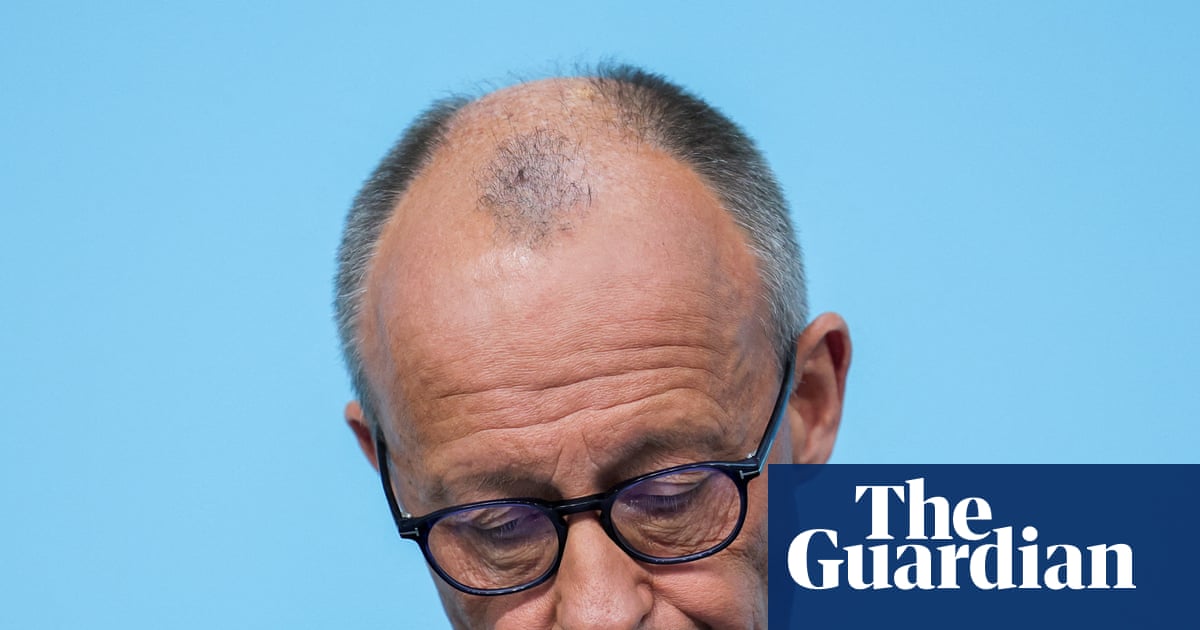
German Chancellor Friedrich Merz has declared his intention to keep his coalition government intact, framing the decision as essential for the nation’s democratic stability. This stance comes in the wake of significant electoral defeats for his Christian Democratic Union (CDU) across multiple states, marking a sharp downturn in support for the conservative party. Merz dismissed speculation regarding his tenure, emphasizing that the leadership must remain steady to address what he described as historic responsibilities facing the country.
The political landscape has shifted dramatically following three major losses for the CDU this month. In Mecklenburg-Western Pomerania, the far-right Alternative für Deutschland (AfD) secured victory with 38% of the vote, marking its third win in a German state. The CDU failed to reach the 5% threshold required for parliamentary representation in this region, resulting in its ejection from the state legislature for the first time. This outcome was particularly striking given that Mecklenburg had previously been considered a stronghold for the conservative party.
In Berlin, the CDU dropped to second place behind the far-left Linke party. The results suggest that Linke is positioned to lead the next city-state government, potentially bringing Elif Eralp, a Turkish-born candidate, into the role of mayor. Meanwhile, in Saxony-Anhalt, the CDU suffered a crushing defeat to the AfD just two weeks prior, which initially sparked serious questions about Merz’s leadership. These consecutive losses have intensified scrutiny of the federal government’s direction and effectiveness.
Merz characterized the election outcomes as a disaster, particularly noting the loss in Mecklenburg-Western Pomerania where more than half of the CDU’s previous voters shifted to either the AfD or the center-left Social Democrats (SPD). He argued that these results reflect a broader transformation of the political party system in Germany and globally, rather than a personal rebuke. Despite the pressure, Merz insisted that his coalition partners must remain in place to navigate the current challenges.
The SPD, which serves as Merz’s coalition partner at the federal level, is expected to lead a three-party coalition government in Mecklenburg under state leader Manuela Schwesig. Her campaign focused heavily on positioning herself as a barrier against the AfD while distancing her platform from the federal government’s reform initiatives. This strategy appears to have resonated with voters who are increasingly skeptical of the current administration’s policies.
Internal reactions within the CDU have been mixed. While regional leaders in eight states recently expressed support for Merz, doubts persist about the longevity of this backing. Karin Prien, the education minister and deputy CDU leader, acknowledged that the government has not adequately addressed voter fears. She emphasized the necessity of continuing reforms despite chronic economic weakness and global instability, arguing that maintaining the status quo is not an option.
Critics within the coalition are calling for adjustments to the federal agenda. Lars Klingbeil, the deputy chancellor and finance minister, stated that ignoring the signals from three state polls would be ineffective. He argued that reforms must be fair and enjoy public support to succeed. The government’s current plan includes overhauling the pension system, reducing bureaucracy, and cutting income taxes for lower-income earners, but doubts about the fairness and efficacy of these measures have influenced voter behavior.
The AfD has capitalized on this discontent, with leaders predicting that Merz will not remain in office beyond the end of the year. Leif-Erik Holm, a top AfD candidate in Mecklenburg, suggested that the chancellor’s era is coming to an end as the party sets its sights on the 2029 federal election. However, few candidates have emerged willing to take over the chancellorship, which is increasingly viewed as a difficult position to fill amidst such political turbulence.
As the political situation evolves, the focus remains on whether the coalition can maintain unity while addressing the demands of voters who feel left behind by current policies. Merz’s commitment to staying in power highlights the tension between maintaining democratic stability and responding to significant electoral feedback. The coming months will likely test the resilience of the government as it navigates these competing pressures.
Sources behind this briefing
Go to the original reporting
- The Guardian World↗Chancellor vows to stay on for Germany’s ‘democratic future’ after latest loss to far-right AfD