The short version
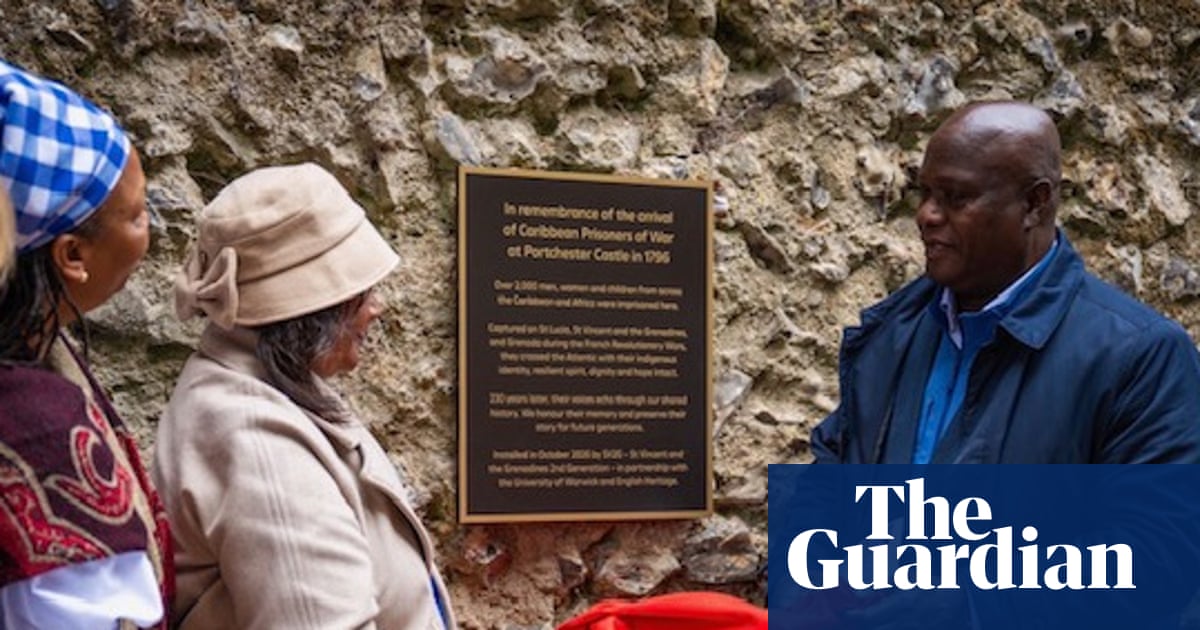
- A commemorative plaque installed at Portchester Castle in Hampshire was stolen days after its unveiling during Black History Month.
- The memorial honored over 2,000 African-Caribbean prisoners of war transported to Britain in 1796 following British military campaigns in the Caribbean.
- Descendants and historians describe the theft as an act of racism that seeks to obscure a significant but often overlooked chapter of Black British history.
A memorial plaque installed at Portchester Castle in Hampshire has been stolen, drawing sharp condemnation from descendants of the individuals it honored and heritage professionals. The incident occurred just days after the plaque was unveiled during a ceremony marking the 230th anniversary of a shipwreck that claimed many lives among the prisoners. English Heritage staff discovered the missing item and reported the breach to police, noting that a padlock securing one of the castle gates had been removed.
The stolen plaque commemorated more than 2,000 men, women, and children who were transported to Britain as prisoners of war in 1796. This group represented one of the largest known arrivals of African-Caribbean people in the country prior to the Windrush generation. The individuals honored included formerly enslaved Africans, Caribbean-born residents, Indigenous peoples, and French soldiers who had fought against British control of territories including St Lucia, St Vincent and the Grenadines, and Grenada.
The unveiling ceremony was organized by the St Vincent and the Grenadines 2nd Generation group in partnership with the University of Warwick and English Heritage. It drew attendees from Caribbean communities, diplomatic circles, researchers, and heritage organizations. The event aimed to bring visibility to a historical narrative that researchers describe as largely lost to time. The date of the unveiling, October 9, was chosen to coincide with the anniversary of the wrecking of one of the transport ships at Rapparee Cove in Devon.
Drummer Ronald Raymond McDonald, part of a delegation from Belize, expressed deep distress upon learning of the theft. He noted that the plaque also suffered vandalism nearby, with hateful graffiti appearing on a bench. McDonald, whose Garifuna ancestors were among those imprisoned, questioned the motivation behind targeting a memorial dedicated to honoring ancestors. He described the act as sad and reflective of enduring hostility toward Black history.
Princess Eulogia, a Garifuna advocate, characterized the theft as evidence of a racist spirit that persists across generations. She argued that such acts hide in plain sight and called for a broader recognition of shared human connection to end cycles of hate. Queen Mother Chief Freda Paulino-Sideroff, who traveled from the United States for the ceremony, emphasized the resilience of her people. She stated that hate would not define their identity, referencing the historical expulsion of Garifuna ancestors from St Vincent by British forces.
Emilio ‘Sásamu’ Thomas, a cultural ambassador from Belize, echoed sentiments of defiance rather than victimization. He suggested that the perpetrators might be experiencing pain and offered a message of assistance to relieve it. This perspective highlights a desire among descendants to respond to vandalism with compassion while maintaining their dignity and historical presence.
Iona Keen of English Heritage labeled the removal of the plaque an act of vandalism. Professor Katherine Astbury from the University of Warwick explained that the memorial was intended to serve as a visible reminder of an important but forgotten part of Caribbean history. The incident has reignited discussions about the preservation of Black British heritage and the ongoing debate surrounding slavery reparations.
Sir Patrick Vernon, a campaigner and author, noted that vandalism targeting memorials representing Black British history is not isolated. He described the theft as symbolic of an ongoing battle against the legacy of enslavement. Jacqueline Roberts, chief executive of SV2G, stressed that the theft could not erase history. She emphasized the importance of continued research to uncover hidden stories and understand the intertwined nature of Caribbean and British histories.
Anthony Severin, St Lucia’s high commissioner and chair of the Caribbean community diplomatic caucus in the UK, described the act as a desecration of the memory and spirit of the ancestors. He pledged that the plaque, whether returned or replaced, would remain affixed to the walls of Portchester Castle. This commitment underscores the determination of heritage groups and diplomatic representatives to ensure that this chapter of history remains visible and acknowledged.
Sources behind this briefing
Go to the original reporting
- The Guardian US↗Plaque telling story of African-Caribbean prisoners in Britain stolen within days


