The short version
- Simon & Schuster has released Jason Arday’s memoir in the UK, honoring the late professor’s wish to share his personal narrative.
- The book details his journey from a non-verbal autistic child to becoming Cambridge University’s youngest Black professor.
- Arday’s death sparked widespread criticism of both the university’s hiring practices and the intensity of media coverage surrounding allegations against him.
Simon & Schuster has published the memoir of Jason Arday in the United Kingdom, bringing his personal account to readers less than two weeks after his death. The book, titled Great and Unfortunate Things, was released earlier this month in the United States but arrives in Britain amid a charged atmosphere following the professor’s passing. The publisher stated that the release aligns with the explicit wishes of Arday’s family, who emphasized their desire to honor his final request that his story be told in his own words.
Arday, a sociologist who was forty-one years old when he died, had risen to prominence after Cambridge University appointed him as its youngest Black professor. His memoir chronicles a life marked by significant challenges and achievements, describing how he overcame being non-verbal as a child and illiterate until his late teens. The narrative frames his academic success not just as a professional milestone but as a testament to resilience against early developmental hurdles associated with autism.
The timing of the publication is inextricably linked to the intense public scrutiny Arday faced in the months leading up to his death. In mid-July, British newspapers began reporting on allegations that his academic work contained plagiarism and that he had exaggerated certain personal accomplishments. These claims were initially brought forward by a researcher critical of diversity initiatives, prompting Cambridge University to launch an investigation after receiving new information regarding his qualifications.
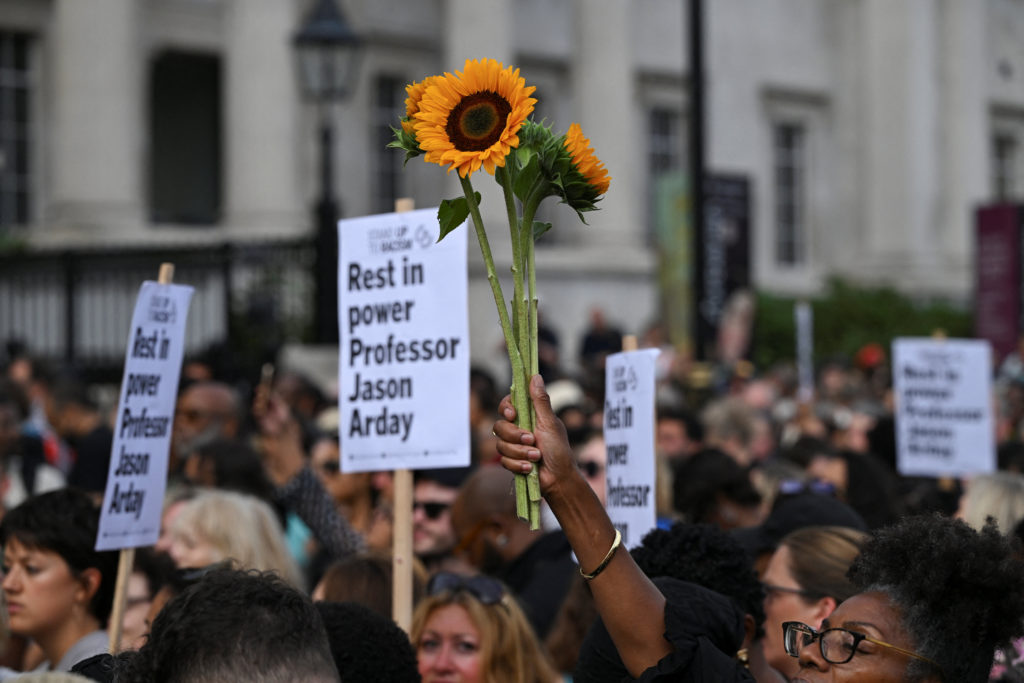
Initially, the university had defended Arday, stating that earlier investigations into plagiarism claims had found them unfounded. However, the situation shifted rapidly as media coverage intensified. Critics argued that the volume and tone of the reporting were disproportionate, suggesting that a white scholar facing similar allegations would not have endured such relentless attention. This perspective has fueled recriminations against the press, with supporters claiming the coverage contributed to Arday’s despair.
Simultaneously, Cambridge University faced backlash for its hiring practices. Detectors argued that the institution rushed to promote diversity by elevating Arday quickly despite potential red flags regarding his credentials. The controversy highlighted broader tensions within academia and public discourse about how institutions balance inclusivity goals with rigorous vetting processes. The debate extended beyond the university walls, becoming a focal point for discussions on race, ability, and merit in higher education.
Arday’s family has sought to counter the narrative presented by critics and the media. In a statement released through Simon & Schuster, they described him as an extraordinary person whose true experiences were often misunderstood or misrepresented by those who did not know him. They expressed shock and grief over his death, calling for space to mourn without further intrusion. The family emphasized that much of what had been written about Arday failed to capture the reality of his life and struggles.
In a July interview with the Times of London, Arday addressed the allegations directly. He acknowledged making mistakes early in his career, attributing them to his autism and a lack of oversight during those formative years. However, he firmly rejected characterizations of himself as a liar or academic fraud, arguing that such labels were driven by racism and ableism rather than objective assessment. This defense provided insight into how he viewed the attacks on his professional integrity.
As interest in the memoir grows, some observers have noted discrepancies between Arday’s previous public claims and the content of the book. For instance, advance copies do not mention his assertion that he once ran six hundred miles in six days to raise money for charity. This omission has led to further scrutiny from British newspapers, which point out that certain athletic and fundraising achievements touted previously are absent from his written account. These details add another layer of complexity to the ongoing debate about his legacy.
The circumstances surrounding Arday’s death have left a lasting impact on public discourse regarding media responsibility and institutional accountability. While some view the coverage as necessary journalistic inquiry, others see it as a destructive force that exacerbated personal vulnerabilities. As the memoir becomes available to UK readers, it offers a chance to engage with Arday’s perspective directly, potentially shifting the conversation from speculation to understanding his lived experience.
Looking ahead, the release of Great and Unfortunate Things may influence how future cases involving academic misconduct and diversity appointments are handled. It underscores the need for balanced approaches that respect individual dignity while maintaining high standards of integrity. For now, the focus remains on honoring Arday’s memory and allowing his family to grieve in peace, as requested by those closest to him.
Sources behind this briefing
Go to the original reporting
- PBS NewsHour↗Jason Arday's memoir published in the UK following former Cambridge professor's death

