The short version
- Melbourne's representative tram crew finished near the bottom of the leaderboard at the European TramDriver Championship held in Warsaw.
- The competition featured precision driving tasks such as water spillage control, target braking, and guided reverse maneuvers among twenty-six teams.
- Prague claimed the top prize while Melbourne prepares to host the next championship event in 2027.
Melbourne’s tram network, widely recognized as the largest of its kind globally, faced a stark reality check this week when its representative team finished near the bottom of the leaderboard at the European TramDriver Championship. The Tramaroos, composed of drivers Ivan Cavanagh and Claudia Barrientos from Yarra Trams depots in Southbank and Kew respectively, placed second to last among twenty-six competing teams. Only the London crew performed worse, marking a surprising outcome for a city that prides itself on its extensive rail infrastructure.
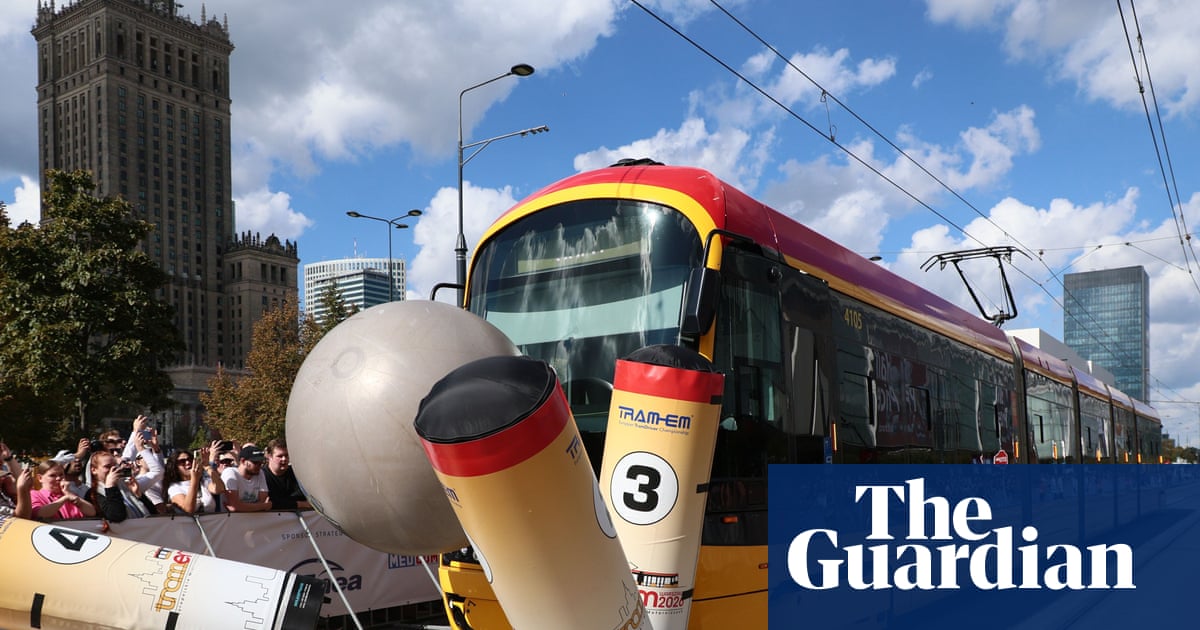
The championship took place in Warsaw over a single day of intense competition. Participants were evaluated on a series of demanding tasks designed to mirror the precision required in daily tram operations. These challenges included maintaining smooth acceleration and deceleration while balancing a bowl of water on the front of the vehicle, with points deducted for every drop spilled. Other tests assessed speed control at specific velocities, target braking accuracy, lateral distance management, and even unconventional skills like tram bowling and basketball.
Additional technical requirements involved executing a perfect stop aligned with the second door and performing a reverse ride guided solely by whistle commands. The variety of tasks aimed to test both mechanical skill and situational awareness under pressure. Thousands of spectators attended the event in person, while approximately eighty thousand viewers followed the proceedings via livestream, indicating significant public interest in this niche form of professional competition.
The title ultimately went to Vendula Tmejová and Zdeněk Rychtář from Prague, Czech Republic. Their victory underscored the high level of competition among European teams, many of whom operate systems with long histories of technical refinement. For the Australian contingent, the result was a humbling reminder of the gap between local operational norms and international benchmarks. Ivan Cavanagh noted that had they won, the trophy would have been displayed in a pool room, suggesting a lighthearted approach to the stakes.
Daniel Bowen, a spokesperson for the Public Transport Users Association, described the event as unusual within the broader landscape of global sports. He emphasized its entertainment value and its potential to offer inspiration from other major tram systems worldwide. Despite the poor ranking, he observed that participants appeared to be enjoying themselves, framing the competition as more about camaraderie and exchange than strict rivalry. The comparison to Eurovision was drawn, highlighting the cultural and participatory aspects of the gathering.
Australia’s participation in this year’s championship marked a continuation of its involvement since 2022, when it became the first non-European country selected to compete. This inclusion reflects a growing recognition of tram systems outside Europe as worthy of international comparison. However, the results suggest that European crews currently hold a distinct advantage in the specific skills tested by the championship organizers.
Looking ahead, Melbourne is scheduled to host the next iteration of the event in 2027. This opportunity may allow local teams to prepare more thoroughly and potentially improve their standing. Bowen suggested that the upcoming hosting duties could also encourage participation from other Australian cities that have recently expanded their light rail networks, including Adelaide, Sydney, Canberra, and the Gold Coast.
Beyond the competition itself, the event serves as a broader commentary on the state of public transport in Melbourne. While the city boasts the world’s largest tram network, advocates point out ongoing challenges related to accessibility, on-road priority, and service frequency. The championship results do not diminish the importance of trams to the local transit system but rather highlight areas where operational excellence can still be pursued.
The contrast between Melbourne’s infrastructure scale and its competitive performance raises questions about training standards and technical focus. While European teams may benefit from longer traditions of specialized driver education, Australian operators have their own unique challenges in managing a sprawling network. The next championship will provide another chance to measure progress and potentially close the gap.
As the dust settles on the Warsaw event, the focus shifts back to daily operations in Melbourne. The Tramaroos’ experience offers a snapshot of how local skills stack up against international peers. Whether this leads to changes in training or simply serves as an entertaining footnote remains to be seen. What is clear is that the global community of tram drivers continues to find value in sharing techniques and celebrating their profession through such unique competitions.
Sources behind this briefing
Go to the original reporting
- The Guardian World↗The gunzels’ grand final: Melbourne Tramaroos’ campaign derails at European TramDriver Championship

