The short version
- The Reporters Committee for Freedom of the Press criticized the handcuffing of a WWL producer and attorney during a July courtroom closure dispute.
- The incident occurred when officials attempted to clear a courtroom before returning an indictment against Louisiana Attorney General Liz Murrill.
- Advocates argue that detaining individuals exercising constitutional rights to access judicial proceedings undermines government accountability.
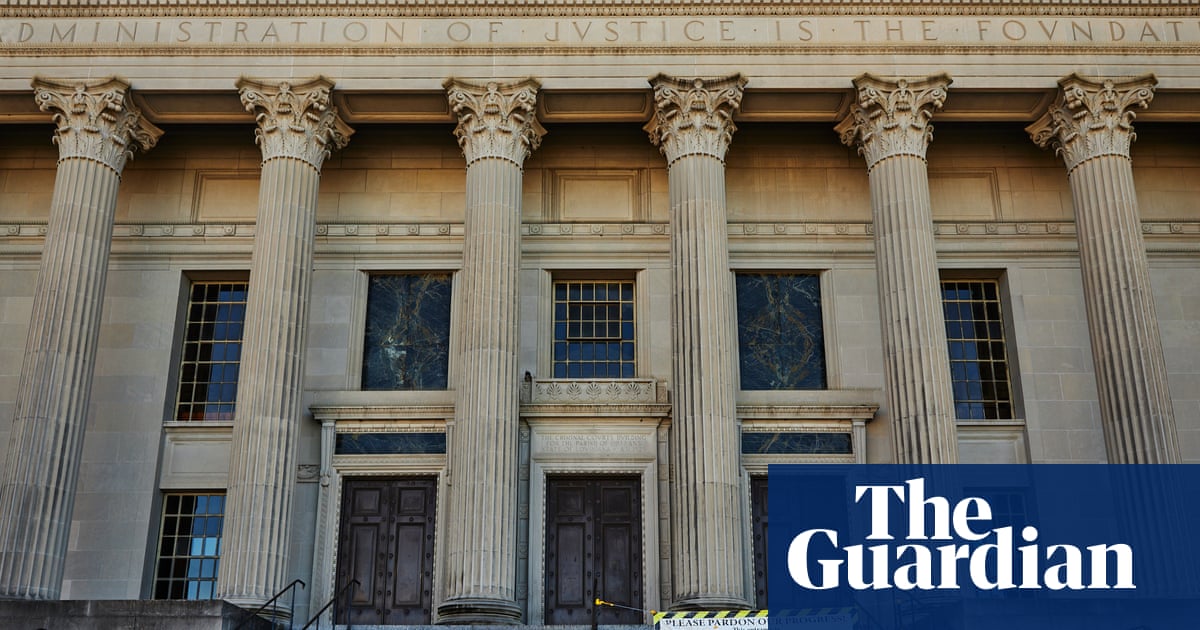
A leading media rights organization has formally condemned the temporary detention of a journalist and an attorney at a New Orleans courthouse, describing the incident as an unjustified infringement on press freedoms. The Reporters Committee for Freedom of the Press issued a letter to the criminal district court chief judge, asserting that the handcuffing of WWL investigative producer Danny Monteverde and outlet lawyer Elana Beiser conveyed a chilling message to both the media and the public. The committee argued that there is no valid excuse for such actions when individuals are merely exercising their constitutional right to access judicial proceedings.
The controversy centers on events from early July, when Judge Leon Roche ordered the closure of a courtroom where a grand jury was set to return an indictment against Louisiana Attorney General Liz Murrill. Monteverde and Beiser were present to object to the closure, citing state laws that generally require grand jury returns to be made in open court. According to the media advocacy group, the judge’s decision to seal the proceedings lacked sufficient justification, particularly without first hearing objections from the public and press representatives.
Virginia Hamrick, an attorney for the Reporters Committee, emphasized in her correspondence that concerns regarding grand juror safety and anonymity do not automatically warrant courtroom closure. She noted that while protecting jurors is a legitimate interest, it does not justify detaining reporters or legal counsel who are seeking to be heard on the matter of access. The letter urged the courthouse to refrain from arresting individuals who are simply asserting their rights to transparency, arguing that open proceedings are essential for accurate public understanding and government accountability.
The incident unfolded as deputies cleared the courtroom and subsequently ordered Monteverde and Beiser to leave the building entirely. When the pair continued to protest the closure and the removal from the public facility, officers temporarily handcuffed them. WWL issued a statement shortly after the event, asserting that no journalist should be detained for seeking transparency or questioning access restrictions, especially when state statutes provide for open proceedings. The station highlighted the importance of maintaining visibility into judicial processes involving high-profile political figures.
Judge Roche later indicated in court filings that he did not instruct deputies to detain any members of the media. However, the sheriff’s office, which provides security for the courthouse, stated that its officers acted in accordance with directives received to protect grand jurors and other participants in the proceedings. This discrepancy highlights a tension between judicial authority, law enforcement protocols, and the rights of observers during sensitive legal events.
The underlying case involves accusations that Attorney General Murrill threatened the jobs of Democratic officials in New Orleans who opposed a Republican-led overhaul of local government structures. These tensions had been escalating for months, stemming from a state law that eliminated an elected court clerk position previously held by Calvin Duncan, a man who was exonerated after spending nearly three decades in prison for a murder he did not commit. New Orleans leaders had unsuccessfully attempted to schedule an election that would have allowed Duncan to run for the consolidated clerk role.
Murrill had issued letters warning New Orleans officials that their positions could be revoked for allegedly violating state usurper laws, which prohibit support for unauthorized officeholders. In response, a New Orleans grand jury voted to indict Murrill on charges of intimidation and malfeasance. The requirement for open court proceedings during the return of this indictment became a focal point for transparency advocates, who viewed the closure as an attempt to shield the process from public scrutiny.
The Louisiana Supreme Court has since placed the case against Murrill on hold, ruling that procedures surrounding the indictment were not properly followed. Despite the dismissal of the immediate legal action, the Reporters Committee continues to advocate for systemic changes. The organization offered comprehensive training to the New Orleans criminal courthouse regarding the legality and importance of access to judicial proceedings, aiming to prevent similar incidents in the future.
The committee’s steering committee includes notable figures such as former Washington Post editor-in-chief Marty Baron and Atlantic editor-in-chief Jeffrey Goldberg, lending significant weight to their criticism. Their involvement underscores the broader implications of this incident for press freedom across the United States. The letter serves as a formal reminder that courts must balance security concerns with the fundamental right of the public to observe judicial functions.
As the legal proceedings remain paused, the focus has shifted to the procedural violations and the handling of media access. The Reporters Committee’s intervention highlights ongoing challenges in maintaining transparency within the justice system, particularly during politically charged cases. The outcome of this dispute may influence how other jurisdictions handle similar conflicts between courtroom security and press rights.
Sources behind this briefing
Go to the original reporting
- The Guardian US Politics↗‘Outrageous’ handcuffing of New Orleans journalist sends ‘chilling message,’ says media group