The short version
- Two unvaccinated people died from measles in Pennsylvania, marking the first fatalities of the year amid a surge that has brought total cases to nearly 2,800.
- Pennsylvania Governor Josh Shapiro criticized federal health rhetoric for fueling vaccine hesitancy, noting that Lancaster County vaccination rates remain below the threshold needed for herd immunity.
- The outbreak coincides with new executive orders reducing recommended childhood vaccinations, raising concerns among experts that the U.S. may lose its measles-elimination status by November.
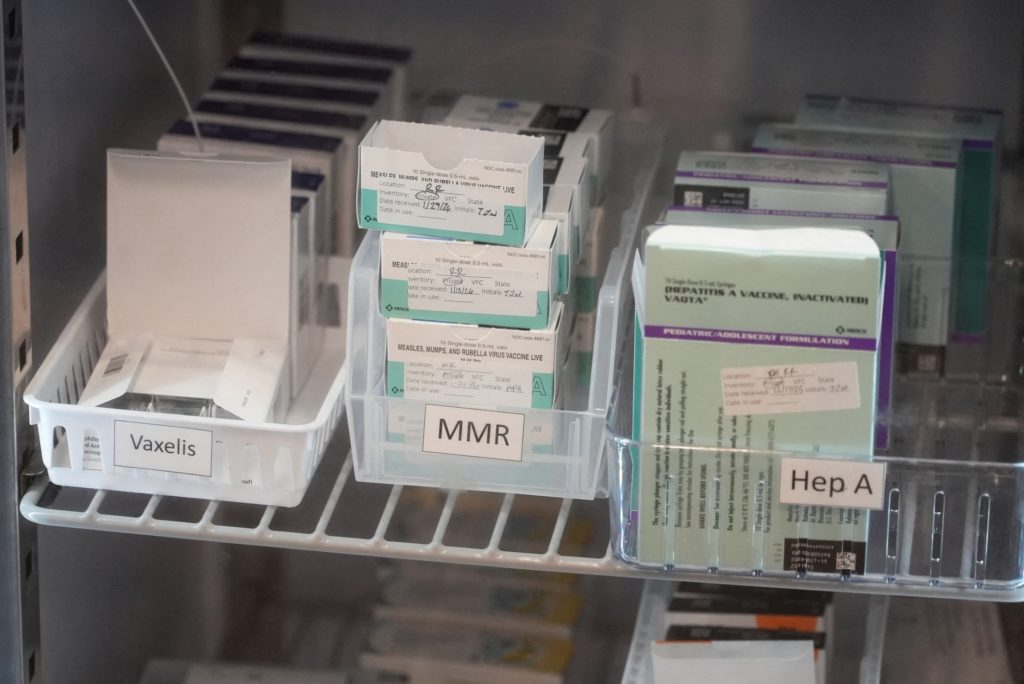
Health officials in Pennsylvania confirmed on Tuesday that two individuals who had not received measles vaccinations have died from the virus in Lancaster County. These fatalities represent the first measles-related deaths recorded in the United States this year, a period already shaping up to be the most severe for the disease since 1991. Authorities declined to release further details regarding the identities or ages of the deceased, though public health data indicates that children face a significantly higher risk of complications and mortality from the infection.
The deaths occur against a backdrop of escalating infections nationwide. As of late August, confirmed measles cases in the U.S. have reached 2,777, surpassing the previous annual high of 2,289 recorded last year. Pennsylvania alone has reported 393 cases this year. The surge reflects a broader trend of declining immunization rates driven by growing vaccine hesitancy. Experts emphasize that the standard two-dose regimen for children between ages one and six is approximately 97 percent effective, yet coverage gaps are widening in several communities.
Lancaster County, where the recent fatalities occurred, illustrates the vulnerability created by low vaccination coverage. Approximately 85 percent of kindergarten-age students in the county are vaccinated against measles. Public health experts maintain that a threshold of 95 percent is necessary to achieve herd immunity, which protects those who cannot be vaccinated due to medical conditions. The gap between current rates and this critical benchmark leaves populations exposed to rapid transmission and severe outcomes.
Pennsylvania Governor Josh Shapiro addressed the severity of the situation during a news conference, describing the illness and resulting deaths as completely preventable. He highlighted the MMR vaccine as the most effective tool for protection and warned against the spread of misinformation that discourages medical adherence. Shapiro stated that fear-mongering and reliance on non-medical sources undermine parents' ability to make informed decisions for their children's health.
Tensions between state leadership and federal authorities have intensified in response to these developments. Governor Shapiro reported engaging in a direct conversation with U.S. Health Secretary Robert F. Kennedy Jr., whom he described as blunt regarding the negative impact of administration rhetoric on public trust. Kennedy has overseen significant shifts in federal vaccine policy, including efforts to revise the childhood vaccination schedule and promote splitting the MMR vaccine into separate doses. Many of these initiatives were previously blocked by federal judges.
Earlier this month, President Donald Trump signed an executive order calling for fewer mandatory childhood vaccinations. Public health professionals have expressed concern that such directives create confusion around a safe and effective medical intervention. Kennedy’s mixed messaging on the MMR vaccine—alternating between endorsement and sharing unproven safety claims—has further complicated public understanding. Shapiro noted that he offered CDC staff support to Pennsylvania while criticizing the federal administration's approach as detrimental to community health.
The implications of this outbreak extend beyond immediate mortality figures. The United States is on track to lose its official status of having eliminated measles, a designation determined by an international panel in November. Canada lost this status last year due to similar outbreaks. If the U.S. follows suit, it would mark a significant reversal in decades of public health progress. The current trajectory suggests that without renewed vaccination efforts and clear communication from federal leaders, the nation may face sustained periods of high transmission.
Looking ahead, health officials are focusing on containment strategies and restoring public confidence in immunization programs. The contrast between last year’s outbreak in Texas, which infected over 1,000 people primarily among children, and the current situation in Pennsylvania underscores the persistent nature of the threat. As cases continue to rise, the debate over vaccine policy remains central to both local health responses and national political discourse.
Sources behind this briefing
Go to the original reporting
- PBS NewsHour↗News Wrap: 2 unvaccinated people die from measles in Pennsylvania
- BBC World↗Two unvaccinated people die of measles in Pennsylvania

