The short version
- Maybelline has retired its long-standing slogan in favor of a new campaign featuring Miley Cyrus.
- The updated tagline replaces the word 'she' with 'we' and alters punctuation to create distinct statements.
- Public reaction has been mixed, with critics citing grammatical errors while executives defend the change as empowering.
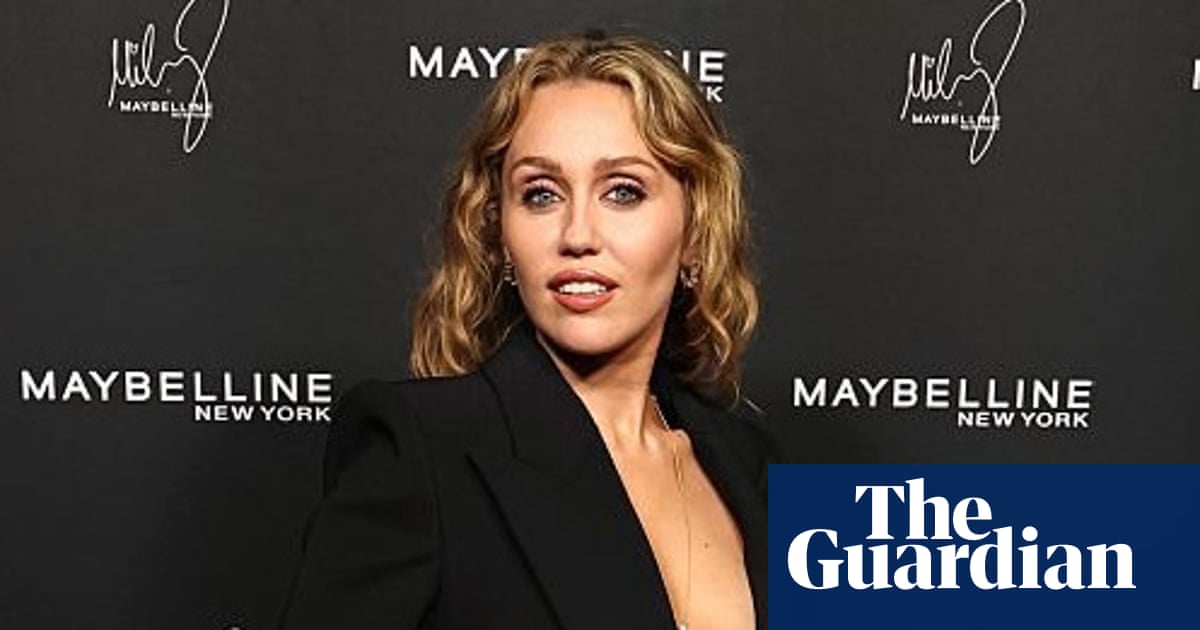
Maybelline New York has officially retired one of the most recognizable advertising jingles in modern history. The brand announced that its thirty-five-year-old slogan, which has defined its identity since the early nineties, is being replaced. This shift marks a significant departure from the company's established voice, moving away from the familiar rhythm that consumers have associated with the label for decades. The change coincides with a new marketing campaign starring pop star Miley Cyrus, signaling an attempt to align the brand with contemporary cultural figures and sensibilities.
The original tagline, introduced in 1991 and famously voiced by model Christy Turlington, relied on a playful ambiguity. It suggested that natural beauty and cosmetic enhancement were indistinguishable, leaving the observer to wonder whether a woman’s appearance was innate or manufactured. The new iteration seeks to dismantle this dynamic by altering both the pronouns and the sentence structure. Instead of focusing on an external 'she,' the updated message centers on 'we,' aiming to foster a sense of collective identity rather than individual observation.
The most striking aspect of the update, however, is its punctuation. The previous slogan flowed as a single, continuous thought. The new version breaks this flow into four distinct fragments: 'Maybe. We’re born with it. Maybe. It’s Maybelline.' By replacing commas with periods, the brand transforms what was once a rhetorical question or a playful suggestion into a series of declarative statements. This structural change is intended to remove any sense of hesitation from the messaging.
Sandrine Jolly, the global brand president for Maybelline New York, explained the rationale behind this linguistic pivot. She noted that the original jingle often conveyed ambiguity, functioning more as a question than a definitive statement. According to Jolly, the new punctuation serves to clarify the brand's intent. The word 'maybe' is no longer meant to express doubt or uncertainty. Instead, it is positioned as an affirmation of possibility, reflecting what the company wants to represent for its customers.
The shift from 'she' to 'we' also addresses broader cultural conversations about inclusivity and agency. By changing the perspective from an observer looking at a subject to a collective group speaking about itself, Maybelline attempts to make the message more self-directed. This move aligns with current trends in advertising that prioritize empowerment and community over traditional beauty standards. The inclusion of Miley Cyrus, known for her own reinventions and outspoken nature, further underscores this effort to connect with a modern audience.
Despite the strategic intent, the execution has drawn sharp criticism from the public. Many consumers have taken to social media platforms to express their displeasure with the new phrasing. Comments on industry publications highlight concerns about basic grammatical correctness, with some users pointing out what they perceive as misplaced periods and awkward sentence fragments. The reaction suggests that while the intent to modernize is clear, the method has alienated a segment of the audience that values traditional linguistic norms.
Some critics have gone further, questioning whether the copy was generated by artificial intelligence or written by humans lacking editorial oversight. Comparisons have been drawn to other high-profile branding missteps, with some observers noting a resemblance to corporate speak that feels disconnected from genuine human expression. The backlash indicates that consumers are paying close attention to the details of brand communication, and that perceived errors in grammar can undermine even well-intentioned messaging.
The response underscores the delicate balance brands must strike when updating long-standing identities. While Maybelline aims to shed ambiguity and embrace inclusivity, the fragmented nature of the new slogan has introduced a different kind of confusion. Whether this shift will resonate with younger demographics or simply frustrate existing customers remains to be seen. The campaign's success will likely depend on how effectively the visual elements and celebrity endorsement can compensate for the polarizing textual changes.
As the campaign rolls out, Maybelline faces the challenge of redefining its voice without losing its core appeal. The transition from a playful, ambiguous jingle to a series of stark declarations represents a bold risk. It reflects a broader industry trend toward transparency and empowerment, but it also highlights the potential pitfalls of over-engineering brand messages. The coming weeks will reveal whether this new direction strengthens the brand's relevance or merely adds noise to an already crowded market.
Sources behind this briefing
Go to the original reporting
- The Guardian US↗Maybe it’s a new tagline. Maybe it’s more punctuation. Maybelline’s 35-year-old slogan has an update


