The short version
- Activists from Protect Trans Futures occupied the Massachusetts attorney general's office, resulting in nine arrests, to demand action against hospitals ending youth care.
- Despite state shield laws and legal protections, several Massachusetts healthcare systems have suspended gender-affirming services for minors following federal executive orders.
- The protests highlight a growing disconnect between state-level legal safeguards and the practical availability of medical care amid national political pressure.
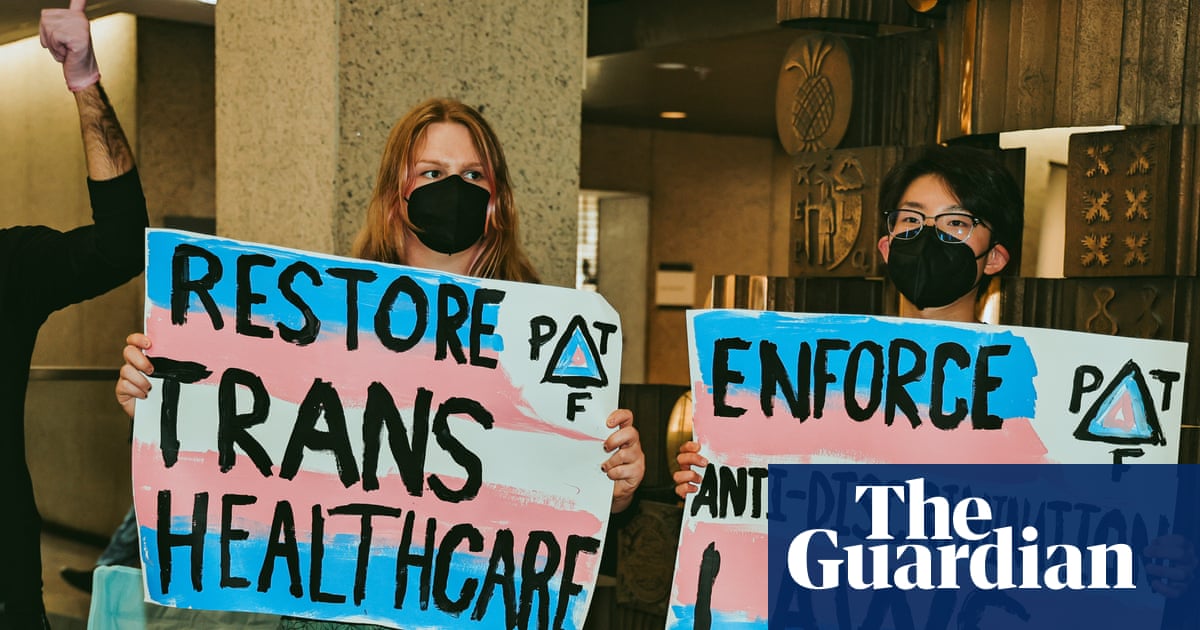
A group of transgender youth activists staged an occupation at the office of Massachusetts Attorney General Andrea Campbell on Wednesday, demanding that her office take legal action against hospitals that have discontinued gender-affirming care programs. The demonstration, organized by the youth-led group Protect Trans Futures, involved protesters bringing hormone replacement therapy supplies into the lobby of the state building and refusing to leave without a firm commitment to protect civil rights for transgender minors.
The confrontation ended after several hours when state troopers arrested nine organizers, including Teddy Walker, a 21-year-old activist with the group. While the attorney general’s office stated it was not involved in the decision to make the arrests, an assistant attorney general did offer the protesters a meeting before they were taken into custody. The incident underscores the intensifying pressure on state officials to address the gap between statutory protections and the actual availability of medical services.
Massachusetts is widely regarded as one of the safest jurisdictions for transgender individuals in the United States, boasting shield laws designed to protect residents from legal penalties imposed by other states where such care is criminalized. State leaders, including Governor Maura Healey and Senator Edward Markey, have been vocal supporters of transgender rights. However, activists argue that these political stances have not prevented a significant reduction in access to care within the state.
The catalyst for the current unrest stems from federal actions taken after Donald Trump resumed office in January 2025. The administration issued executive orders threatening to withhold federal funding from hospitals providing gender-affirming medical care to transgender youth. Although many of these efforts have been challenged in court and there are no confirmed reports of hospitals losing funding, the directives have created a chilling effect across the healthcare sector.
In response to this federal pressure, at least three local hospital systems in Massachusetts have ended gender-affirming care programs for patients under the age of nineteen. Additionally, a fourth hospital canceled all appointments for gender-affirming surgeries for adult transgender women, despite adults not being the primary target of the executive orders. These closures have occurred even though gender-affirming care remains legal for all residents in Massachusetts.
Advocates express frustration that hospitals are pre-emptively complying with federal agendas rather than adhering to state law. Teddy Walker criticized local politicians for underestimating the scale of care loss, stating that the administration’s policies are achieving their intended results. The activists view their actions as a necessary measure to hold government officials accountable to their own stated standards and legal obligations.
The situation in Massachusetts reflects a broader national trend where medical access is contracting despite professional support for such treatments. A majority of American medical experts endorse access to gender-affirming care for youth, citing evidence that it reduces suicide risks and improves mental health outcomes. Nevertheless, twenty-seven states have enacted restrictions or bans on these services, leading many families to relocate to more protective jurisdictions like Massachusetts.
This migration has placed additional strain on healthcare resources in safe-haven states. Hundreds of thousands of transgender individuals and their families have moved to places with stronger legal protections in hopes of maintaining continuity of care. The recent protests signal that even in states with robust legislative safeguards, the threat of federal intervention continues to disrupt medical services and create uncertainty for patients.
While some advocates worry that aggressive tactics might alienate sympathetic officials like Attorney General Campbell, many organizers believe that direct action is essential to prevent further erosion of rights. The arrests and ongoing negotiations highlight the complex dynamics between state enforcement mechanisms, federal policy pressures, and the immediate needs of vulnerable patient populations. What comes next remains uncertain as legal battles continue across the country.
The incident serves as a stark reminder that legal protections alone may not guarantee access to essential healthcare services when political winds shift. As hospitals navigate conflicting directives from state and federal authorities, patients and families face growing barriers to treatment. The outcome of these tensions could set important precedents for how civil rights are enforced in the face of national policy changes.
Sources behind this briefing
Go to the original reporting
- The Guardian US Politics↗Even in safe-haven Massachusetts, trans care is at risk. Young people are fighting to protect it