The short version
- Judge William Sullivan declared a mistrial after the jury reported being deadlocked for the third time during seven days of deliberation.
- Defense attorneys argued Clancy suffered from postpartum psychosis, while prosecutors maintained she acted with premeditation and control.
- District Attorney Timothy Cruz stated his office has not yet decided whether to pursue a retrial or seek a plea agreement.
A Massachusetts Superior Court judge declared a mistrial on Friday in the murder case of Lindsay Clancy, ending weeks of intense legal proceedings without a verdict. Judge William Sullivan made the ruling after jurors informed the court for the third time that they were unable to reach a unanimous decision regarding Clancy’s criminal liability. The jury had deliberated for seven days, accumulating more than forty hours of discussion, before conceding they could not agree on whether Clancy should be held responsible for killing her three young children in 2023.
The case has drawn significant national attention and sparked public debate over maternal mental health and the legal standards for criminal responsibility. Clancy’s defense team argued that she was experiencing postpartum psychosis at the time of the killings and therefore lacked the capacity to be held criminally accountable. In contrast, prosecutors contended that Clancy was lucid and had planned the homicides in advance, asserting that she maintained control over her actions during the events.
Dramatic procedural maneuvers marked the final hours before the mistrial declaration. Defense attorney Kevin Reddington attempted a last-ditch effort to halt the process, urging the judge to remove a specific juror whom the foreperson identified as unwilling to consider the legal standard of reasonable doubt. Reddington filed an emergency appeal with the Massachusetts Supreme Judicial Court, requesting that the lower court force continued deliberations and question the panel about the alleged holdout. The state’s highest court denied this request, clearing the path for Judge Sullivan to dismiss the jury.
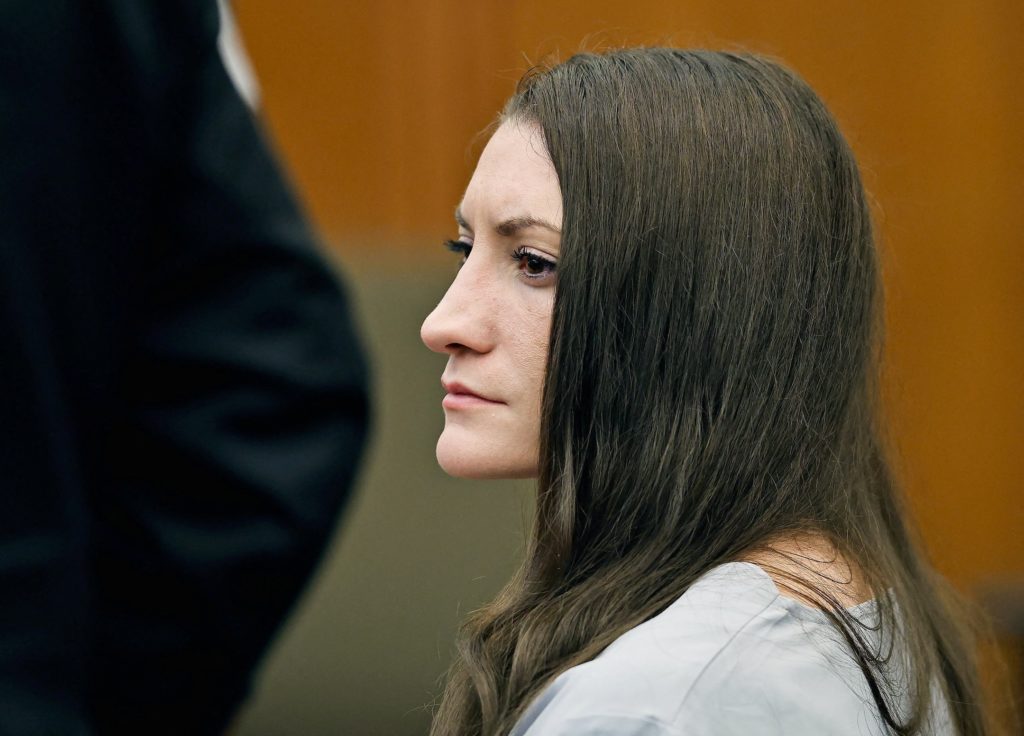
Judge Sullivan acknowledged the difficulty of the case when addressing the jurors, noting their hard work and the emotional toll of the proceedings. He emphasized that the deadlock did not indicate a failure on the part of the legal system but rather reflected the complexity of reaching unanimity in such a charged environment. The courtroom remained largely silent as the ruling was delivered, with Clancy appearing downcast and her legal counsel visibly frustrated by the outcome.
The immediate future of the case remains uncertain. Plymouth County District Attorney Timothy Cruz stated that his office has not yet determined whether to move forward with a retrial. He noted that while the case generates significant public noise, it is being treated like any other prosecution involving the deaths of children. Cruz emphasized that the evidence presented suggested Clancy was in control during the homicides, reinforcing the state’s position on her culpability.
Legal experts suggest several paths forward for the prosecution. A second trial could proceed with the same first-degree murder charges, which carry a life sentence without parole if convicted. Alternatively, prosecutors might consider reducing the charges to second-degree murder or manslaughter, which would allow for the possibility of parole and potentially be tried before a judge rather than a jury. Defense attorneys often prefer bench trials in cases involving insanity or lack of responsibility defenses, arguing that judges may be more receptive to psychiatric evidence than lay jurors.
Clancy does not deny killing her children—Cora, age five; Dawson, age three; and Callan, eight months old—in their Massachusetts home. After the incident, she attempted suicide by cutting herself with a knife and jumping from a second-story window, an act that left her paralyzed. She has been held in a psychiatric facility for three years while receiving treatment. Her plea of not guilty was based on the assertion that postpartum psychosis rendered her legally insane at the time of the crimes.
A hearing is scheduled for September 29 to address next steps in the case. During this proceeding, prosecutors may outline their strategy regarding a potential retrial or discuss the possibility of a plea agreement. The outcome of this hearing will determine whether Clancy faces another jury trial, a bench trial, or a negotiated resolution. Until then, she will remain in custody at the mental health facility where she has been housed since the 2023 incident.
The case highlights broader issues regarding postpartum psychosis, a serious but often under-resourced mental health condition. Advocates and legal observers have pointed to the trial as an opportunity to increase awareness of the disorder and its impact on maternal behavior. The debate over whether Clancy’s actions were the result of a medical crisis or premeditated violence continues to divide public opinion, with some viewing the mistrial as a failure of justice and others seeing it as a necessary reflection of legal safeguards.
As the legal process moves into this new phase, the focus shifts from courtroom testimony to strategic decisions by both the prosecution and defense. The uncertainty surrounding Clancy’s fate underscores the challenges of applying criminal law to cases involving severe mental illness. The upcoming hearing will provide further clarity on whether the state will seek another trial or pursue an alternative resolution to this tragic case.
Sources behind this briefing
Go to the original reporting
- PBS NewsHour↗What's next for Lindsay Clancy after a mistrial in her murder case
- BBC World↗Mistrial declared in Lindsay Clancy murder case, after jury deadlocks

