The short version
- Over 3,000 specimens of sea dragons, pipefishes, and seahorses were recorded dead along the South Australian coast following a toxic algal bloom.
- The event is described by ecologists as the most severe mass mortality incident ever documented for the Syngnathidae family worldwide.
- Conservationists warn that habitat destruction and population declines may have long-term consequences for species already listed as vulnerable.
A catastrophic die-off of marine life has been confirmed along the South Australian coastline, driven by a persistent toxic algal bloom. Analysis of records gathered by citizen scientists indicates that thousands of sea dragons, pipefishes, and seahorses perished in what experts are calling the most severe mass mortality event ever recorded for this specific family of fish on a global scale. The incident highlights the vulnerability of specialized marine ecosystems to rapid environmental changes.
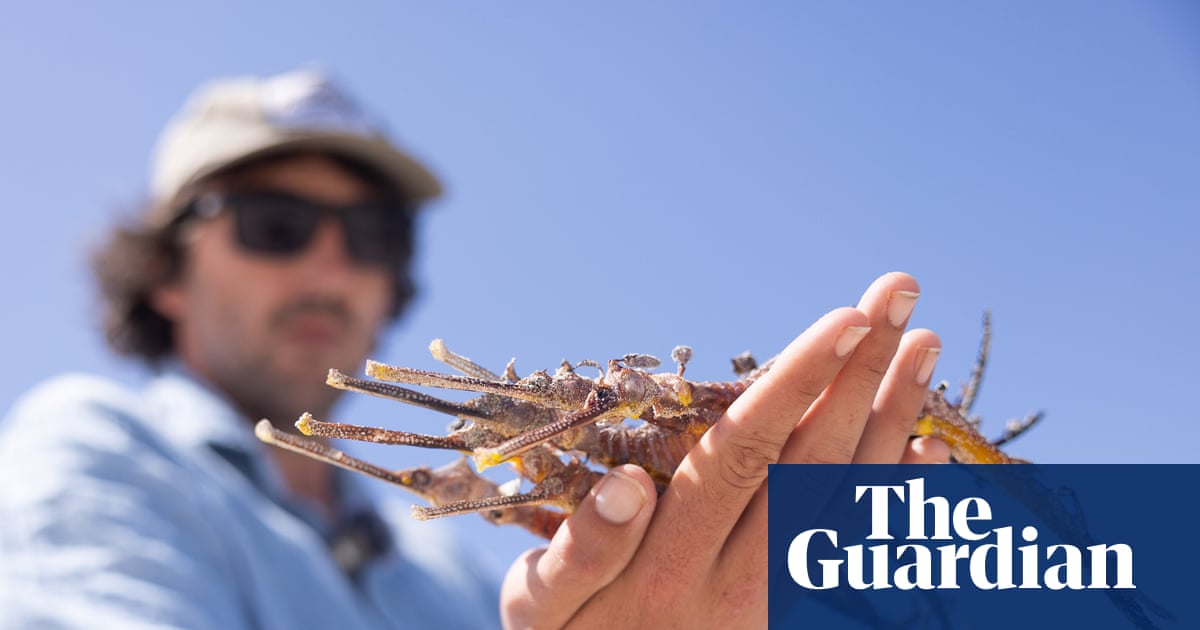
Data compiled by Dragon Search SA reveals the staggering scope of the losses. More than 1,600 weedy and leafy sea dragons were found dead, alongside approximately 1,400 pipefishes and 160 seahorses. These figures represent only the animals that washed ashore or were observed by divers and volunteers. The state hosts more than thirty species within the Syngnathidae family, and at least thirteen of these distinct groups were impacted by the toxic spread.
The bloom, identified as Karenia cristata, is a rare and highly toxic algae species. This marks the first recorded occurrence of this specific algae in Australia. The outbreak began in March 2025 and continued to affect marine life well into the following year. While pipefishes and seahorses primarily washed up during the winter and spring months of 2025, records of deceased sea dragons persisted for more than twelve months, indicating a prolonged period of ecological stress.
Weedy sea dragons accounted for the majority of the recorded deaths, with 1,524 specimens logged. This species had recently been upgraded to vulnerable status by the International Union for Conservation of Nature. The leafy sea dragon, which serves as the marine emblem of South Australia, is also undergoing a reassessment of its conservation status in light of these events. Both species are endemic to Australian waters, making their decline particularly significant for regional biodiversity.
Marine ecologists express deep concern regarding the future viability of these populations. Professor David Booth from the University of Technology Sydney noted that South Australia represents the center of the world distribution for leafy sea dragons. He suggested that local populations have likely been severely reduced. The loss is not limited to the animals themselves but extends to their essential habitats, including kelp forests and seagrass beds, which were also devastated by the bloom.
The destruction of habitat compounds the immediate mortality crisis. Sponges, kelps, and seagrasses provide critical shelter and food sources for these delicate creatures. The loss of small shrimp populations, a primary food source for sea dragons, further threatens their recovery. Experts emphasize that restoring this complex web of life will be a substantial undertaking, requiring sustained effort beyond simple population monitoring.
Citizen scientists played a crucial role in documenting the extent of the disaster. Divers and coastal residents reported observations that might otherwise have gone unrecorded, as carcasses can disappear from beaches within hours. This grassroots data collection has provided researchers with valuable insights into the scale and timing of the mortalities. The involvement of the public has allowed for a more comprehensive understanding of the event's impact on various species.
Looking ahead, scientists are exploring potential mitigation strategies. These include rearing sea dragon juveniles in aquarium settings to bolster wild populations and deploying artificial structures designed to support pipefish habitats. However, uncertainty remains regarding the long-term recovery prospects. Divers and biologists continue to monitor the affected areas, acknowledging that the full consequences of this ecological disruption may not be apparent for years.
Sources behind this briefing
Go to the original reporting
- The Guardian US↗Sea dragon populations decimated in ‘mind-blowing’ mass mortality event caused by South Australian algal bloom

