The short version
- Two Maryland men face multiple charges including animal cruelty and arson after an undercover operation exposed illegal exotic animal photoshoots.
- Investigators found that the suspects lacked required federal licenses and kept animals in conditions deemed neglectful by USDA specialists.
- The case highlights ongoing concerns about the unregulated trade of wild animals for social media content and entertainment purposes.
Two men in Maryland have been charged with a series of misdemeanor and felony offenses following an undercover investigation into their alleged use of exotic animals for commercial photoshoots. Vernon Crowfey III, a photographer, and Jayden Evans, an animal handler, were arrested in July after law enforcement confirmed they operated without the necessary federal permits required to handle wild species. The charges stem from incidents involving snakes, lemurs, spider monkeys, and other creatures used in staged scenes that included open flames in a public parking structure.
The investigation began when Baltimore police detectives consulted with the United States Department of Agriculture’s Animal and Plant Health Inspection Service. Officials determined that neither Crowfey nor Evans held valid Class C exhibitor or dealer licenses under the Animal Welfare Act, which mandates strict regulations for those who display or sell wild animals to the public. This lack of licensing prompted authorities to launch a sting operation to gather evidence of their activities.
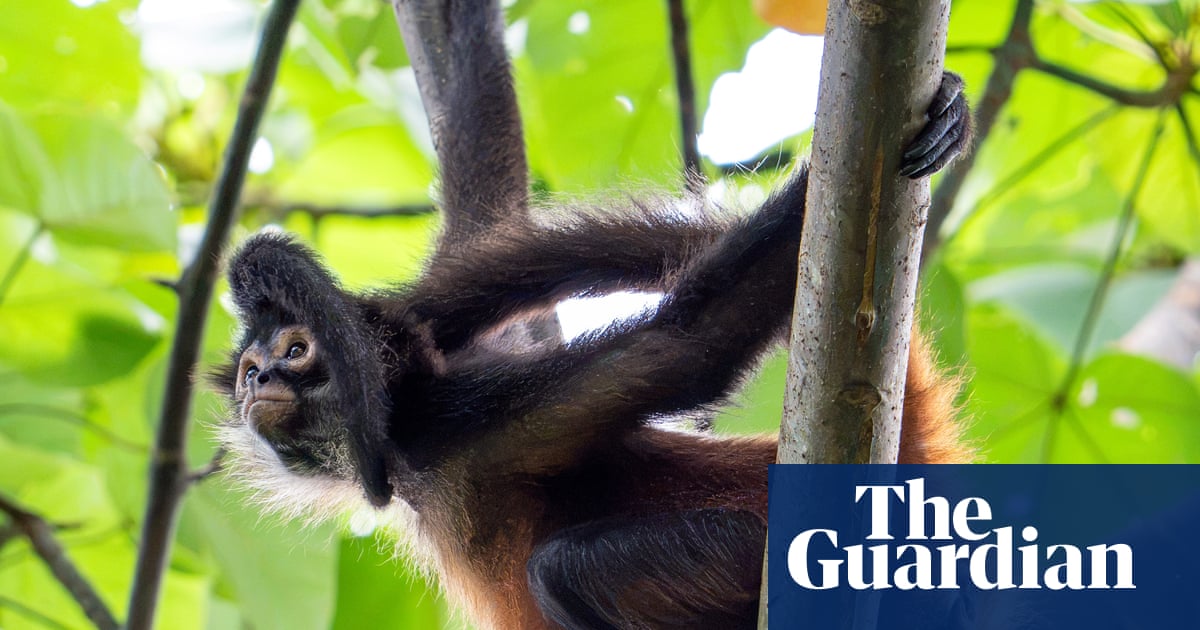
During the undercover phase, an officer arranged a photoshoot with Evans that involved a lemur and a spider monkey. The resulting arrest led to a search warrant at Evans’s residence, where officers discovered a variety of animals including snakes, lizards, rabbits, and a tarantula. Charging documents indicate that USDA specialists and animal control officers observed the primates in living conditions that constituted neglect. The animals were subsequently transported to the Maryland Zoo for care.
The most alarming aspect of the case involves the alleged staging of photoshoots in a parking garage beneath the Towson Town Center luxury shopping complex. Video footage and images circulating online depict three semi-clothed models posing with exotic animals while a ring of fire burns on the concrete floor. Crowfey and Evans are each facing twenty-three charges, which include animal cruelty and arson-related offenses for allegedly setting fire to the mall’s parking area.
Crowfey has disputed the severity of the allegations regarding the fire. In an interview with local news outlets, he claimed that mall security had granted him permission to use the empty parking lot as a backdrop. He stated that he informed security about the planned flame effects and was told only to finish before the mall closed. Crowfey argued that the location was safe because it was devoid of civilians and constructed entirely of concrete.
Despite these claims, the legal documents emphasize the danger posed by combining wild animals with open flames in a confined space. The collaboration between Crowfey and Evans appears to have been systematic, with social media posts showing Crowfey as the photographer and Evans handling the animals during various shoots. Evans’s online presence, including his website and social media pages, features numerous images of himself and others interacting with nonhuman primates and other exotic species.
The arrests underscore broader issues within the exotic pet trade and the demand for wild animals in entertainment. Jacob Thompson, owner of Global Pets, noted that primates are not domesticated and retain wild instincts regardless of captivity duration. He warned that these animals can react unpredictably when they reach maturity or encounter triggers, posing significant risks to handlers and bystanders alike.
This case coincides with the release of a new documentary examining the exotic wildlife trade, highlighting how pop culture influences consumer demand for endangered and wild species. Filmmakers have pointed out that media portrayals often drive interest in owning animals like owls or clownfish, creating a market that can lead to neglect and illegal trafficking. The Maryland arrests serve as a recent example of authorities cracking down on unregulated handlers who prioritize content creation over animal welfare and public safety.
As the legal proceedings move forward, the focus remains on the violation of federal animal welfare laws and the potential for harm caused by unauthorized handling of wild species. The USDA’s involvement signals a continued effort to enforce licensing requirements and ensure that animals used in commercial ventures are treated humanely. The outcome of this case may set precedents for how similar operations are prosecuted in the future.
The incident also raises questions about the oversight of private properties used for such activities. While Crowfey claimed permission from mall security, the lack of federal licensing rendered the operation illegal regardless of local approvals. Authorities maintain that the combination of unlicensed animal handling and fire hazards created an unacceptable risk to public safety and animal well-being, justifying the extensive charges brought against both men.
Sources behind this briefing
Go to the original reporting
- The Guardian World↗Two US men charged for allegedly using snakes, a lemur and a monkey for exotic photoshoots

