The short version
- Dawn, a six-year-old yellow-bellied marmot weighing approximately 6 kilograms, won the first Fat Marmot Week contest through both mass-gain metrics and public voting.
- The Rocky Mountain Biological Laboratory launched the event to engage the public while raising funds for a research project established in 1962 that faces threats from federal budget reductions.
- A combination of online subscriptions, direct donations, and cryptocurrency contributions has generated over $100,000 for the study, which monitors marmots preparing for winter hibernation.
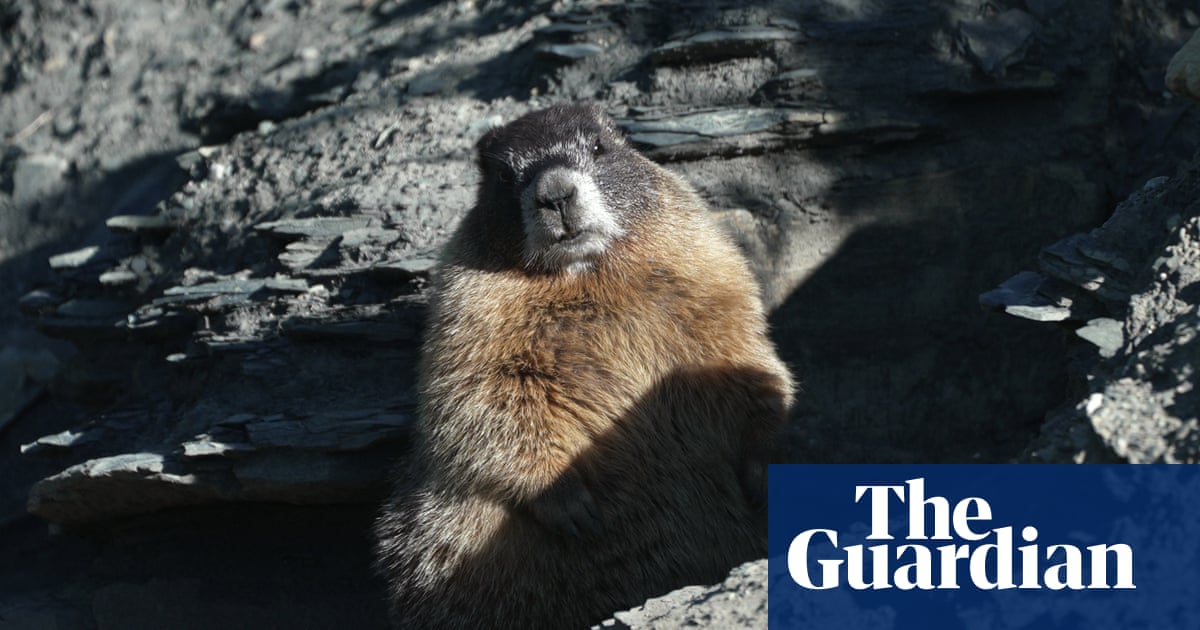
A six-year-old yellow-bellied marmot named Dawn has been declared the champion of the inaugural Fat Marmot Week, a public voting contest organized by researchers at the Rocky Mountain Biological Laboratory. The competition concluded on August 29, 2026, after more than 23,000 votes were cast between August 24 and August 29. Dawn secured victories in both the mass-gain category and the popular vote, distinguishing herself among eight competitors who were monitored as they prepared for winter hibernation.
According to Julien Martin, a professor of evolutionary ecology at the University of Ottawa and co-leader of the marmot project, Dawn’s final weight was approximately 6 kilograms, or roughly 13.2 pounds. Martin described this measurement as exceptionally large for the species, noting that it ranks among the heaviest animals ever recorded in their long-term study. The contest was designed to mirror Alaska’s popular Fat Bear Week, leveraging public interest in wildlife behavior to draw attention to scientific research.
The timing of the event aligns with a critical biological period for yellow-bellied marmots. These rodents, one of fifteen recognized species in the northern hemisphere, spend the summer consuming grasses and wildflowers to double their body weight. This accumulation of fat is essential for survival, as marmots hibernate underground for approximately five months during the winter. Colorado Parks and Wildlife notes that individuals can lose up to half their body mass during this dormant period.
Survival rates are directly linked to pre-hibernation weight and burrow depth. Marmots that fail to store sufficient fat reserves or those with shallow burrows vulnerable to freezing temperatures often do not survive until spring emergence. The competition highlights the natural stakes of this seasonal cycle, framing the animals’ feeding behavior as a matter of life and death rather than mere spectacle.
Beyond public engagement, the contest serves a strategic purpose for the research team. The marmot study, which began in 1962, is currently facing significant challenges due to reductions in federal science funding. Researchers have turned to unconventional fundraising methods to sustain the project, including the launch of an OnlyFans account named OnlyMarms earlier this month. Despite the platform’s typical associations, the account features educational content, including videos and photographs of marmots navigating rocky terrain and entering their burrows.
The fundraising initiative has proven successful, generating more than $100,000 through a mix of subscription fees, external donations, and a marmot-themed cryptocurrency developed by online supporters. This influx of resources helps ensure the continuation of data collection on one of the longest-running ecological studies in North America. The project’s longevity provides valuable insights into population dynamics and environmental changes over several decades.
Organizers expressed gratitude to the participants who voted, emphasizing that all eight competing marmots were considered winners in the eyes of the research team. The event successfully bridged the gap between academic ecology and public interest, demonstrating how digital platforms can be repurposed for scientific advocacy. The visibility gained from the contest may also help attract further support for the laboratory’s broader mission.
Looking ahead, organizers have indicated that Fat Marmot Week will become an annual tradition. Supporters who voted for other marmots in this year’s competition have been promised another opportunity to participate in 2027. The continuation of the event suggests a sustained effort to maintain public engagement and financial support for the study as it navigates an uncertain funding landscape.
The success of Dawn’s campaign underscores the potential for creative outreach in modern science communication. By combining biological data with interactive public participation, the researchers have not only raised funds but also educated a wide audience about the ecological importance of hibernating species. The project remains a vital resource for understanding how wildlife adapts to seasonal changes and environmental pressures.
As the marmots descend into their burrows for the winter, the research team will continue to monitor population health and survival rates. The data collected during this period will contribute to the broader understanding of yellow-bellied marmot ecology. The outcome of Fat Marmot Week 2026 serves as a testament to the resilience of long-term scientific projects when supported by innovative community engagement strategies.
Sources behind this briefing
Go to the original reporting
- The Guardian US↗‘Humongous’ marmot crowned winner in inaugural Fat Marmot Week contest

