The short version
- Marks & Spencer held its inaugural runway show at London Fashion Week to celebrate a century of selling fashion.
- The collection emphasized affordable pricing, with half the items costing less than £50, challenging the exclusivity of traditional fashion weeks.
- Company executives aim to position the brand as a leader in accessible style, currently ranking second in style perception behind Zara.
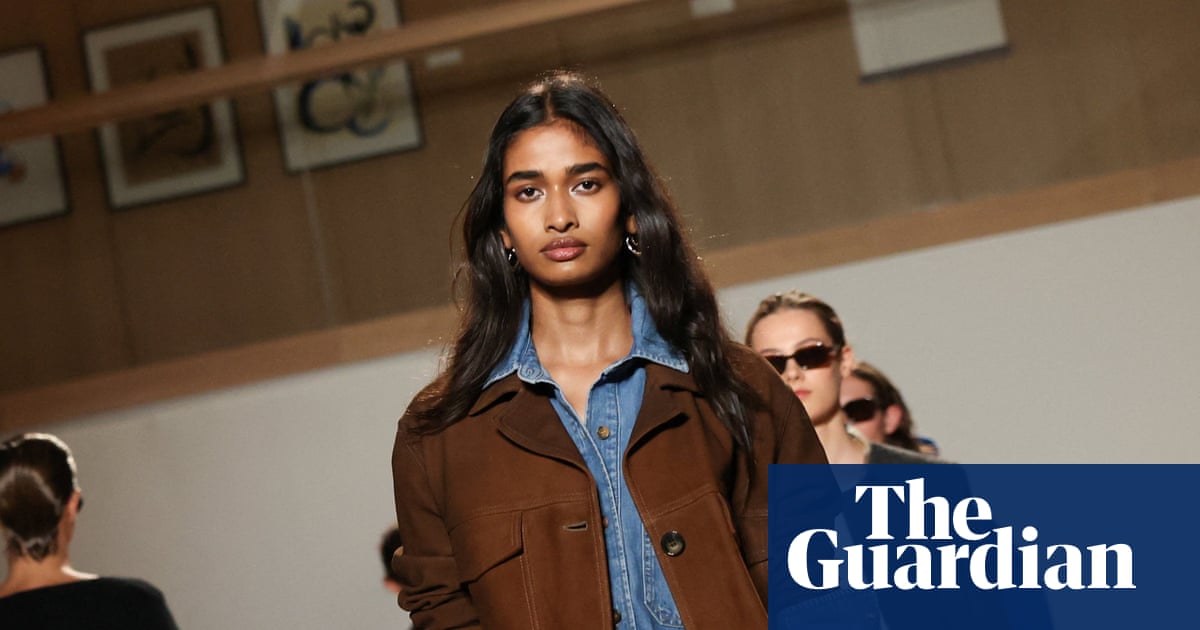
Marks & Spencer has entered the realm of high-profile fashion events with its first-ever catwalk show at London Fashion Week, marking a significant shift in how the historic retailer presents its clothing line. The event, held at the Design Museum, was designed to demonstrate the company’s renewed confidence in its style offerings after a period of successful product releases. By participating in this prestigious calendar, the brand sought to validate its place within the broader fashion industry while maintaining its core identity as a mass-market retailer.
The presentation served as a centenary celebration for M&S’s fashion division, highlighting a century of selling apparel. The collection featured designs that nodded to archival styles, such as reworked twinsets and lace two-piece sets that referenced the brand’s lingerie heritage. However, the aesthetic was updated with contemporary trends, including sharp kilts replacing flouncy skirts and low-rise denim substituting for higher-waisted alternatives. This blend of nostalgia and modernity aimed to appeal to a broad demographic without alienating traditional customers.
A central theme of the show was accessibility, both in terms of price and style. Executives described the approach as fashion with a small f, prioritizing comfort and practicality over avant-garde experimentation. Half of the pieces displayed were priced under £50, with the most expensive item, a leather coat, retailing for £450. This pricing strategy directly contrasts with the soaring costs seen in designer collections during the ongoing cost of living crisis, positioning M&S as a viable option for consumers seeking trend-aware clothing without the premium price tag.
The guest list included notable figures from entertainment and sports, such as Joan Collins, Kemi Badenoch, Ian Wright, and Jamie Carragher. Their presence underscored the event’s attempt to bridge the gap between high fashion circles and mainstream audiences. Collins reportedly admired the chic coats and an ivory evening dress, while Badenoch expressed interest in a classic black tuxedo jacket. The inclusion of these celebrities helped generate buzz and signaled that the brand’s offerings were gaining traction among influential tastemakers.
Maddy Evans, the womenswear director, articulated the strategic vision behind the show, stating that the goal is to be fashion for everybody rather than defining niche vibe shifts. The company currently ranks second in style perception surveys, trailing only Zara. Evans indicated that this position is desirable, as it allows M&S to capture a wide audience while acknowledging Zara’s role at the cutting edge of trends. The collection reflected this positioning by incorporating popular elements like half-zip sweaters and sequin fringe skirts, which have gained popularity across various fashion segments.
The runway featured models of diverse ages and body sizes, chosen to reflect the retailer’s 23 million customers. This inclusivity was a deliberate move to ensure the clothing resonated with real-life wearers rather than just adhering to industry standards. The menswear section included classic grey office suits and chore jackets, worn by figures like Lennon Gallagher, adding a touch of wit and contemporary relevance. The overall palette relied on neutrals with strategic pops of red, creating a cohesive look that felt both modern and wearable.
The event also highlighted the broader context of London Fashion Week, which has faced challenges in remaining relevant to everyday consumers amid rising designer prices. M&S’s participation offered a counter-narrative, suggesting that style does not require exorbitant spending. Other major brands, such as McQueen and Christopher Kane, are also making moves to refresh the city’s fashion schedule, indicating a collective effort to revitalize the event’s appeal. This shift suggests a growing recognition of the need for diversity in fashion presentation.
Following the show, attendees enjoyed a reception featuring smoked salmon finger sandwiches and champagne, a nod to M&S’s iconic picky tea service. This detail reinforced the brand’s heritage while integrating it into the high-fashion setting. The success of the event will likely be measured by sales figures and consumer response in the coming weeks. If the enthusiasm from the front row translates to broader market interest, M&S may have successfully redefined its place in the fashion landscape, proving that accessibility and style can coexist.
The collection’s immediate availability upon the show’s start further emphasized the brand’s commitment to practicality. Items such as machine-washable tuxedo jackets and satin party dresses were designed for real-world use, combining durability with elegance. This approach contrasts with the often impractical nature of high-fashion runway pieces, offering consumers a clear path from catwalk to closet. As M&S continues to refine its strategy, this show serves as a benchmark for how traditional retailers can adapt to changing consumer expectations without losing their core values.
Sources behind this briefing
Go to the original reporting
- The Guardian World↗M&S marks 100 years of selling fashion with LFW catwalk show

