The short version
- MapQuest became the top-downloaded navigation app in the US after refusing to rename Lake Ontario as 'Lake America' per a recent executive order.
- Google Maps updated its US interface to reflect the new name, while Apple Maps has not yet changed its display despite reported White House pressure.
- Public polling indicates low support for the renaming effort and associated tariffs, with Democratic lawmakers introducing legislation to block federal changes to Great Lakes names.
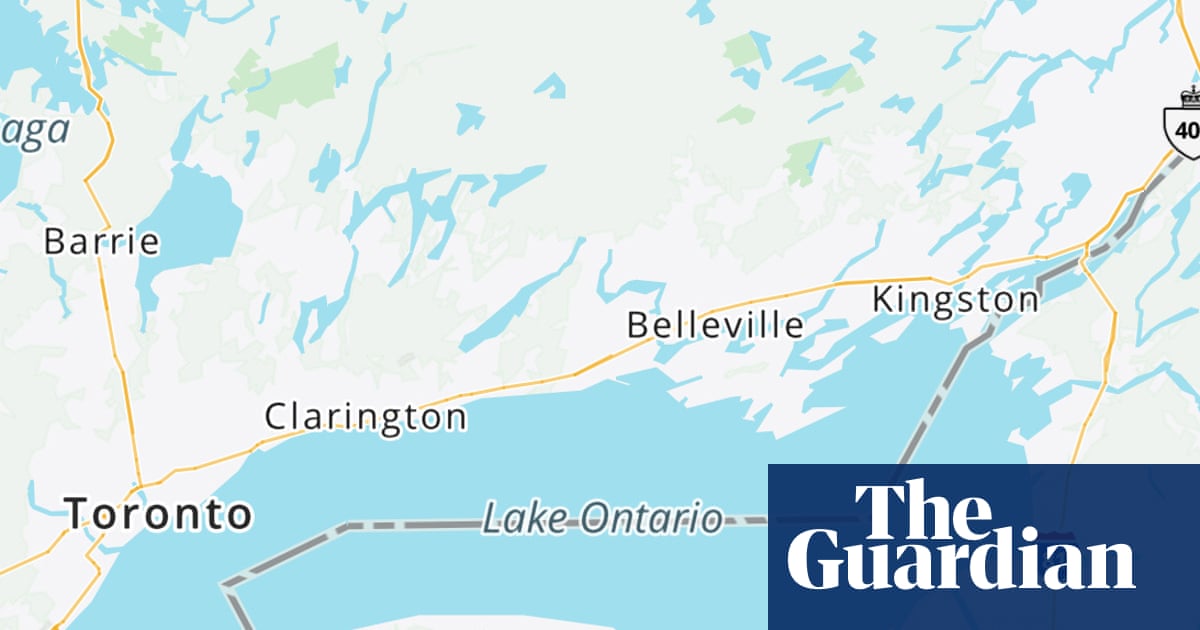
A longstanding digital mapping service has surged to the top of application download charts in the United States following its refusal to comply with a recent executive directive from the White House. MapQuest, which recently celebrated three decades of operation, rejected an order issued on August 27 that instructed federal agencies to refer to Lake Ontario as 'Lake America.' This decision came amid broader trade tensions between the United States and Canada. While other major technology companies adjusted their platforms or faced intense scrutiny, MapQuest maintained its original labeling, a stance that appears to have resonated strongly with users seeking consistency in geographic nomenclature.
The immediate impact of this refusal was visible on Apple’s App Store, where MapQuest overtook both Google Maps and Apple Maps to claim the number one spot in the navigation category. Data from TechCrunch indicated that download volumes for the application had increased dramatically, placing it among the most popular non-gaming applications in the country. In Canada, the app also saw significant traction, ranking as the second-most downloaded application overall by Sunday evening. This surge in interest suggests that a segment of the public actively sought alternatives to services that were perceived as yielding to political pressure regarding geographic names.
In contrast to MapQuest’s firm stance, Google Maps quickly updated its interface for users within the United States to display 'Lake America' instead of the traditional name. Apple Maps, however, continued to show Lake Ontario as of Tuesday morning, despite reports that the White House had directly contacted the company regarding the change. Doug Burgum, the interior secretary under President Trump, expressed confidence that Apple would eventually comply with the directive. The divergent responses from these tech giants highlight the complex position software companies face when navigating political mandates versus user expectations for geographic accuracy and stability.
Doug Berger, MapQuest’s general manager, stated that usage of the application was running at approximately fifty times its normal rate. He described the company’s approach as an effort to remain part of the public conversation while preserving familiar names for users. To engage further with this trend, the company activated a feature allowing subscribers to generate their own names for the lake. This tool had previously been introduced in 2025 when the administration attempted to rename the Gulf of Mexico to the 'Gulf of America,' a move that Google also accommodated in its US market offerings at the time.
The company’s social media presence reflected a tone of defiance mixed with humor regarding its continued relevance in the digital landscape. After posting a message stating it would not change the lake’s name, MapQuest responded to comments questioning its existence by drawing parallels to RadioShack, another legacy brand that survived bankruptcy and retail closure through e-commerce operations. The company emphasized that its maps remain reliable and effective for navigation, regardless of political branding efforts. This strategy appears to have reinforced its identity as an original player in the internet mapping era, distinct from newer competitors.
Public opinion on the renaming initiative remains largely unfavorable. A Reuters/Ipsos poll released on Tuesday found that only 14 percent of Americans supported the effort to rename Lake Ontario. Support for the broader trade measures associated with this dispute was similarly low, with 57 percent of respondents opposing higher tariffs on Canadian goods and only 20 percent approving of them. These figures suggest that the executive order has not garnered significant popular backing, potentially explaining why users were drawn to a service that resisted the change.
Political opposition to the renaming effort is also materializing in legislative actions. Three Democratic representatives from states bordering the Great Lakes—Tim Kennedy and Joe Morelle of New York, and Debbie Dingell of Michigan—introduced the 'Hands Off Our Great Lakes' act on Monday. This proposed legislation aims to block the federal order regarding Lake Ontario and prevent future unilateral changes to the names of the Great Lakes. The bill underscores the regional significance of these bodies of water and the political friction generated by attempts to alter their traditional designations.
Physical protests have also emerged in response to the executive order. A large sign reading 'Lake Ontario – Now and Always' was erected near Grimsby, Ontario, over the weekend, featuring text in both English and French. Ontario Premier Doug Ford stated firmly that the lake would retain its historical name, noting that it has been known as Lake Ontario for hundreds of years. These reactions from Canadian officials and citizens highlight the international dimension of the dispute, as the lake serves as a border between the two nations.
The situation remains fluid as technology companies continue to navigate pressure from the administration while responding to user demand. Google’s decision to update its US maps while maintaining the original name for international users creates a fragmented digital experience based on geographic location. Apple’s delayed response leaves uncertainty about whether it will eventually comply with the White House’s request. Meanwhile, MapQuest’s temporary dominance in download charts illustrates how consumer behavior can shift rapidly in response to perceived corporate integrity or resistance to political mandates.
As the legislative and public debates continue, the long-term impact of this episode on digital mapping services remains unclear. The incident raises questions about the role of private companies in enforcing or resisting government directives regarding cultural and geographic symbols. Whether MapQuest’s surge in popularity will sustain itself once the immediate controversy subsides is uncertain, but the event has already demonstrated the power of user choice in shaping market dynamics during periods of political tension.
Sources behind this briefing
Go to the original reporting
- The Guardian US Politics↗MapQuest app reaches No 1 on US Apple list after defying Trump’s Lake Ontario order