The short version
- Luigi Mangione pleaded guilty to federal stalking and homicide charges, admitting he shot Brian Thompson in Manhattan.
- The defendant cited years of physical pain and negative experiences with the healthcare system as his primary motivation for the attack.
- Legal conflicts are emerging between federal proceedings and pending state murder charges, raising double jeopardy questions.
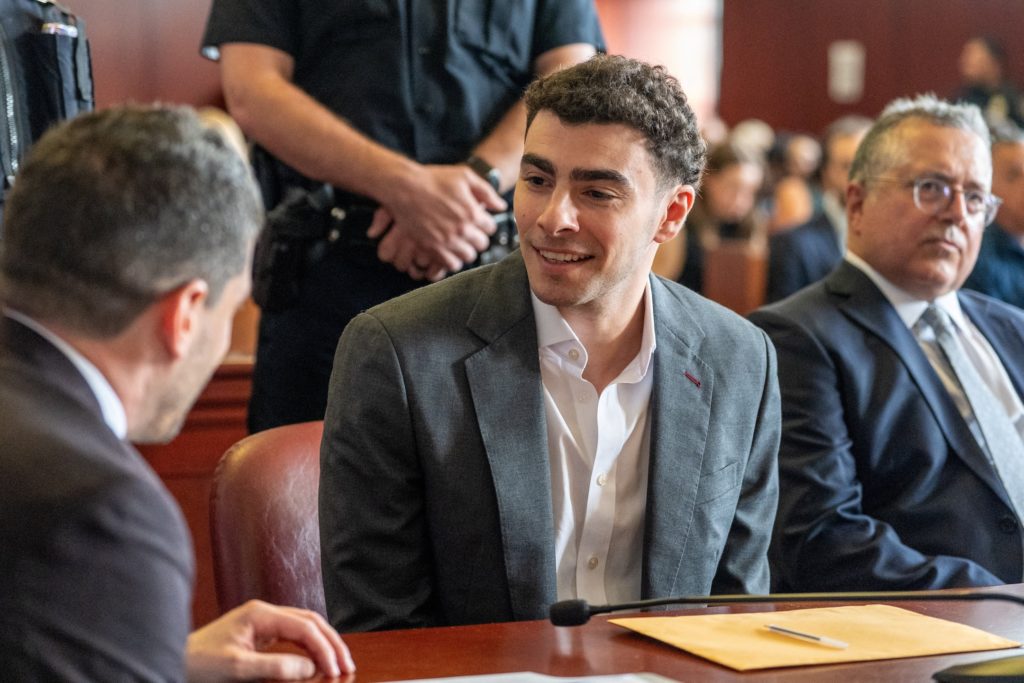
Luigi Mangione entered a guilty plea in federal court on Friday, formally admitting responsibility for the death of UnitedHealthcare chief executive Brian Thompson. The 28-year-old defendant appeared solemn in a beige prison uniform before Judge Margaret Garnett in Manhattan, where he confessed to stalking and shooting Thompson outside a Hilton hotel in December 2024. This development marks a significant shift in the high-profile case, moving it from contested litigation toward sentencing while simultaneously complicating parallel state proceedings.
During the hearing, Mangione read a statement aloud that detailed his actions leading up to the killing. He acknowledged crossing state lines with the specific intent to kill Thompson and admitted to using a firearm he had constructed himself. The weapon was printed on a 3-D printer and equipped with a silencer and magazine, according to his admission. He confirmed that he shot Thompson in the back as the executive walked into the midtown Manhattan hotel, an act that resulted in Thompson’s death.
Mangione provided context for his actions by describing a long-standing grievance with the healthcare industry. He told the court that his decision was driven by years of enduring severe pain from a broken back and subsequent frustrations with insurance coverage. He stated that he learned about UnitedHealthcare’s annual investor conference scheduled for December 2024 in New York and traveled to the city specifically for the event. Prior to the shooting, he emailed the company posing as an investor to gather information about the gathering.
The sentencing phase for the federal charges is now set for December 18. Prosecutors have recommended a prison term of between 24 and 30 years. However, Judge Garnett clarified that this recommendation is not binding on her decision. She informed Mangione that he faces a maximum sentence of life in prison under federal law, along with potential financial penalties. The judge emphasized that there is no parole option within the federal system, meaning any time served would be substantial and likely permanent.
The guilty plea has immediate implications for the separate state case pending in New York. Mangione currently faces eight state charges, including second-degree murder, possession of a forged instrument related to an alleged fake driver’s license, and six counts of criminal possession of a weapon. His defense team is now seeking dismissal of these state charges, arguing that prosecuting him again would violate constitutional protections against double jeopardy.
Defense attorney Karen Friedman Agnifilo argued outside the courthouse that New York law prohibits punishing an individual twice for the exact same crime. She contended that Mangione’s federal guilty plea demonstrated his acceptance of full responsibility for Thompson’s death. The defense maintains that the state prosecution should be halted to avoid redundant legal proceedings and excessive punishment for a single act.
Despite the defense’s arguments, the Manhattan District Attorney’s office has signaled its intention to continue with the state trial. Prosecutors stated they are prepared to litigate any motions filed by the defense and remain committed to seeking justice for Thompson and his family. The DA’s office noted that while the federal accountability is a step forward, the state case serves a distinct legal purpose and will proceed unless legally barred.
Thompson’s family issued a statement following the hearing, describing the plea as an important step toward justice. They expressed gratitude that the federal system has held Mangione accountable for what they called a heinous act. The family emphasized that while nothing can ease their pain, they are looking to the courts to ensure that the final sentencing reflects the severity of the crime. They indicated they will continue to seek justice in both New York state and Pennsylvania, where Mangione was originally arrested.
The case remains legally complex as it moves forward. With the federal trial concluded by plea, attention now turns to whether Judge Garnett will impose a life sentence or follow the prosecution’s lower recommendation. Simultaneously, courts must determine if the double jeopardy argument holds weight in this specific context, potentially allowing the state murder trial to proceed despite the federal conviction. The outcome will have significant implications for how dual sovereignty doctrines are applied in high-profile homicide cases.
Sources behind this briefing
Go to the original reporting
- PBS NewsHour↗Luigi Mangione reveals motive for CEO's killing after pleading guilty in federal case
- BBC World↗Mangione admits killing healthcare CEO and pleads guilty to federal charges

