The short version
- Roberto Mancini confirmed he held a secondary contract while managing Manchester City, stating the matter is not his concern.
- Manchester City executives maintain the club is innocent and plan to challenge the independent commission’s findings on financial rule breaches.
- The Premier League has yet to publish the formal judgment regarding the more than one hundred charges investigated against the club.
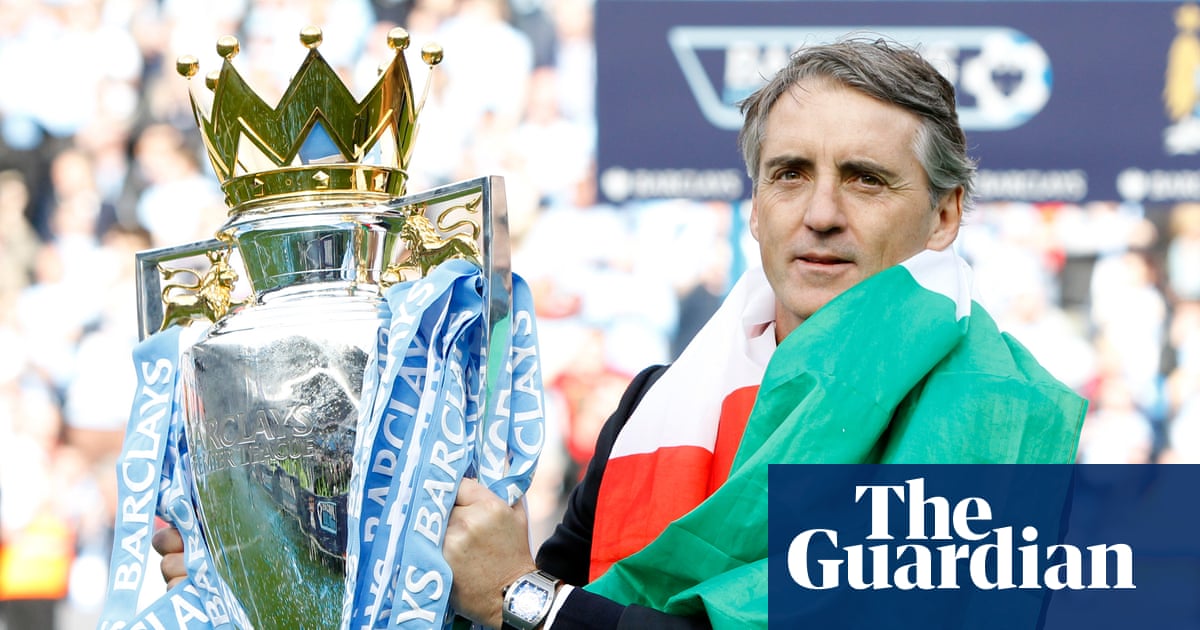
Roberto Mancini, the former Manchester City manager who led the team to its first Premier League title in 2012, has publicly acknowledged the existence of a dual contract arrangement during his tenure at the club. Speaking ahead of an international match for Italy, the sixty-one-year-old coach addressed reports that he received additional compensation through advisory work for a football entity in Abu Dhabi. While confirming the structure of his employment payments, Mancini distanced himself from the ongoing legal and regulatory battles facing his former employer, characterizing the situation as an internal matter for Manchester City rather than a personal liability.
The revelation comes amid heightened scrutiny regarding the club’s financial practices between 2009 and 2018. Investigations have focused on how payments to players and managers were structured and reported. Evidence obtained by German media outlet Der Spiegel indicated that Mancini’s base salary of £1.45 million was effectively doubled through these advisory arrangements. Despite the specificity of these financial details, Mancini insisted that the implications of such contracts do not concern him personally, noting that similar allegations have surfaced periodically over the years without resolving the broader dispute.
Manchester City has been found guilty by an independent commission of the vast majority of more than one hundred charges related to alleged breaches of Premier League financial rules. The club continues to deny any wrongdoing and maintains that the findings are incorrect. Ferran Soriano, the chief executive of Manchester City, recently addressed a gathering of European football executives in Copenhagen, where he made an unexpected declaration regarding the club’s stance on the verdicts. His comments signaled a firm commitment to contesting the rulings through available legal and administrative channels.
Soriano’s intervention at the meeting of the European Football Clubs Association ruling board surprised attendees, including representatives from rival clubs such as Manchester United and Everton. He stated that he disagreed with the commission’s conclusions and expressed confidence that Manchester City would ultimately prove its innocence. This public assertion of defiance marks a significant escalation in the club’s response strategy, moving beyond private legal preparations to direct engagement with European football leadership bodies.
The independent commission’s verdict has not been officially confirmed or denied by Manchester City in a formal public statement, although the club’s actions suggest they are treating the findings as preliminary. The Premier League itself has remained silent on the matter, offering no commentary on the timeline for publishing the full judgment. This lack of official communication from the league creates uncertainty regarding the immediate next steps in the disciplinary process and the potential impact on the club’s standing within English football.
Mancini’s tenure at Manchester City was pivotal in establishing the club’s modern era of success under Sheikh Mansour’s ownership. He secured both the Premier League title and the FA Cup during his four-year spell, laying the groundwork for future domestic and international achievements. His departure in 2013 followed a defeat in the FA Cup final against Wigan Athletic. The current controversy threatens to recast the narrative of that successful period, shifting focus from on-field triumphs to off-field financial compliance issues.
The involvement of high-profile figures from rival institutions in the recent European meeting underscores the broader implications of the case for football governance. Jean-Claude Blanc of Manchester United and Dan Friedkin of Everton were present when Soriano made his declaration, highlighting the interconnected nature of top-tier club management. Their presence suggests that the outcome of Manchester City’s case may have precedential value for how financial rules are enforced across European leagues.
As the legal battle progresses, the distinction between personal contractual arrangements and institutional liability remains a central point of contention. Mancini’s admission clarifies one aspect of the financial structures under investigation but does not resolve the question of whether those structures violated league regulations. The club’s insistence on innocence contrasts sharply with the commission’s findings, setting the stage for a prolonged dispute that could reshape regulatory standards in professional football.
The Premier League’s silence on the publication date of the judgment leaves fans, analysts, and other clubs in a state of anticipation. Until the full details are released, speculation will continue regarding the severity of any potential sanctions and the credibility of the evidence presented. The case represents one of the most significant challenges to financial integrity rules in modern football history, with outcomes that could influence transfer markets, player contracts, and club ownership structures globally.
Moving forward, Manchester City’s strategy appears focused on exhausting all avenues of appeal while maintaining operational normalcy. Soriano’s public stance indicates a willingness to engage directly with European football authorities rather than relying solely on domestic legal mechanisms. This approach may seek to leverage international support or pressure to influence the final resolution. The coming months will likely see increased legal filings and public statements as both sides prepare for what promises to be a complex and protracted conflict.
Sources behind this briefing
Go to the original reporting
- The Guardian US↗Mancini refers to ‘double’ Manchester City contract and says it ‘isn’t my problem’