The short version
- Artistic director Selina Cartmell presents the 2027-28 season to signal institutional recovery following a major dispute over content moderation and leadership failures.
- Key productions include a Stockport-set adaptation of the Phaedra myth by Simon Stephens and a stage version of David Peace’s novel about the Munich air disaster.
- The theatre plans to reopen its closed studio space for local talent development while simultaneously refurbishing the main auditorium seats that have remained unchanged for three decades.
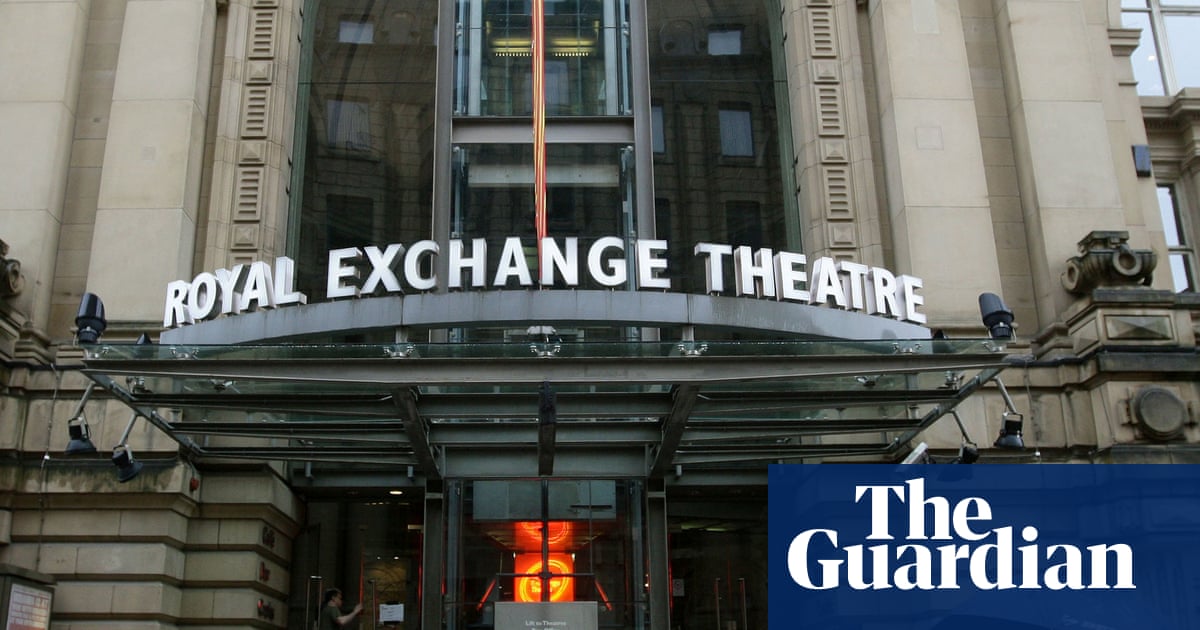
The Royal Exchange in Manchester has announced its upcoming season of productions, a move intended to demonstrate institutional resilience and artistic ambition two years after a significant internal crisis. Selina Cartmell, the theatre’s artistic director, framed the new lineup as an effort to channel what she described as the pioneering spirit of the city. The announcement comes as the organization seeks to move past a period marked by public controversy regarding content moderation and governance.
The previous administration faced intense scrutiny after cancelling a production of A Midsummer Night’s Dream. The dispute centered on a song within the play that referenced transgender rights and included the phrase free Palestine. While an independent review concluded that censorship had not occurred, it did identify significant leadership failures within the organization. The director of the cancelled play, Stef O’Driscoll, characterized the incident as evidence of fear-driven decision-making in the arts sector.
Cartmell acknowledged the difficulty of the past two years, noting that the board at the time accepted full responsibility for the mishandling of the situation. She stated that all recommendations from the independent review have been implemented and that artists are now firmly centered in the theatre’s operations. The goal is to transition into a new chapter defined by courage and risk-taking, rather than caution.
The 2027-28 season features several high-profile works designed to reflect northern stories with international relevance. Among them is The First Blue Thing, a world premiere by Olivier and Tony Award-winning playwright Simon Stephens. Directed by Cartmell, the play reimagines the ancient Greek myth of Phaedra, in which a princess falls in love with her stepson with tragic consequences. Stephens has set this retelling in his hometown of Stockport, grounding the classical narrative in a contemporary northern English context.
Another major production scheduled for 2028 is an adaptation of David Peace’s novel Munichs. This work marks the seventieth anniversary of the Munich air disaster, a defining moment in Manchester’s history that claimed the lives of eight Manchester United players, three staff members, and eight journalists. Adapted for the stage by Ben Power, the play aims to explore the intersection of football, community identity, and national grief following the crash on February 6, 1958.
In addition to these dramatic works, the season includes a new production of the musical Guys and Dolls and another staging of A Midsummer Night’s Dream. This upcoming version will feature Beverley Knight, a soul singer and West End star, in a leading role. The inclusion of this classic play serves as a direct engagement with the title that was at the center of the previous controversy, signaling a return to canonical works under new leadership.
Infrastructure changes accompany the artistic announcements. The theatre plans to reopen its 100-seat studio space next year, ending a closure that began during the pandemic in March 2020. Cartmell described the long-term absence of this venue as a loss for Manchester’s cultural landscape. The reopening is intended to provide a platform for nurturing local talent and presenting urgent, smaller-scale stories that may not fit the main stage.
The return of the studio space will coincide with a weeks-long closure of the main 750-seat in-the-round auditorium. This larger venue requires refurbishment, particularly regarding seating that has been in place for thirty years. These physical updates are part of a broader strategy to modernize the facility while maintaining its reputation as a leading regional theatre known for independent programming.
Cartmell emphasized that Manchester is currently undergoing an extraordinary period of change, which she believes warrants bold artistic choices. She described the city’s cultural atmosphere as possessing a punky, edgy quality that encourages risk-taking. The new season is positioned as a reflection of this local energy, aiming to balance historical significance with contemporary relevance.
The Royal Exchange has historically prided itself on operating differently from mainstream commercial theatres. By taking responsibility for past failures and implementing structural changes, the current leadership hopes to restore trust with both artists and audiences. The upcoming productions serve as a test case for this renewed approach, blending local narratives with universal themes in an effort to reestablish the theatre’s standing in the UK cultural landscape.
Sources behind this briefing
Go to the original reporting
- The Guardian World↗Royal Exchange boss unveils new plays two years after damaging censorship row