The short version
- Inspection data from 2023 to 2025 shows high failure rates for price accuracy at major convenience store chains in several states.
- Customers report frequent discrepancies between shelf tags and register totals, with some employees refusing to honor advertised prices.
- Legal experts argue that advanced inventory systems make such widespread errors inexcusable, contributing to growing consumer anger over hidden costs.
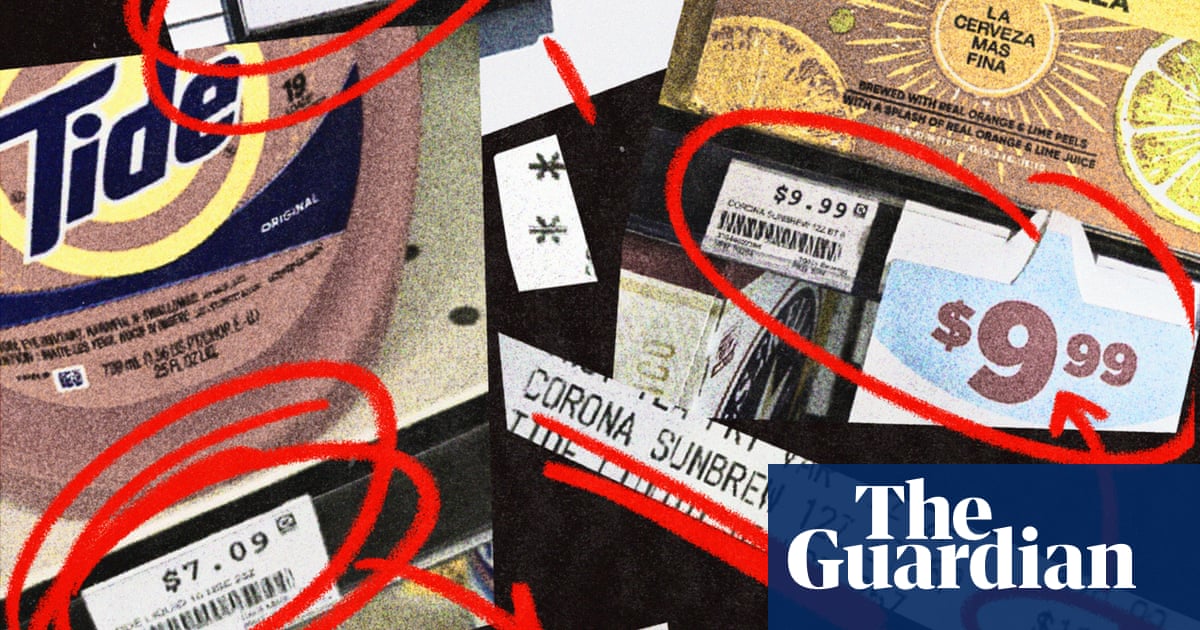
A pattern of pricing inaccuracies has emerged at two of the largest convenience store chains in the United States, with government inspections revealing that a substantial portion of locations fail to honor advertised prices. Between 2023 and 2025, data from Florida, North Carolina, Ohio, Colorado, Utah, and New York indicates that Circle K and 7-Eleven stores frequently charged customers more at the register than what was displayed on shelves or fuel pumps. These discrepancies affect a wide range of products, including snacks, beverages, tobacco items, and gasoline, adding unexpected costs to consumers already navigating high inflation.
The scale of these errors varies by region but remains consistently high in several jurisdictions. In Florida, Circle K locations failed 35 percent of government price-accuracy inspections during the three-year period. The failure rate climbed to 62 percent in North Carolina and reached 82 percent in Columbus, Ohio. Similarly, 7-Eleven struggled with compliance in other areas, failing 47 percent of inspections in both Colorado and Utah. In Ontario County, New York, the chain failed 79 percent of its checks. These figures suggest that pricing errors are not isolated incidents but rather systemic issues within these corporate operations.
Individual consumer experiences underscore the frustration caused by these discrepancies. Marco Cruz, a resident of Arizona, reported encountering multiple overcharges at Circle K stores in Texas and his home state. In one instance, beef and jalapeño cheese sticks priced at $3.99 on the shelf rang up for $4.19 at the counter. When he requested the lower price, the cashier refused and threatened to involve law enforcement. Cruz also noted that promotional offers, such as a free energy drink with water purchases, were frequently invalidated by store managers despite clear in-store signage.
Detailed inspection reports provide further evidence of widespread pricing errors. A state inspection at a 7-Eleven in Casa Grande, Arizona, found that 12 out of 25 sampled items had higher register prices than shelf tags, resulting in a 48 percent error rate for that single visit. The overcharges included small increments, such as a ten-cent increase on pickles and forty cents on candy bars, but also larger discrepancies like a dollar difference on a pack of gum. These findings indicate that errors occur across various price points and product categories.
The financial impact of these overcharges may seem minor in isolation, but they accumulate to place additional strain on household budgets. With economic pressures from tariffs, geopolitical conflicts, and persistent inflation driving up the cost of groceries and fuel, consumers are increasingly sensitive to unexpected expenses. Many shoppers feel that even small overcharges are unacceptable when overall living costs remain elevated. This sentiment is reflected in broader public opinion, with polls indicating that a majority of Americans believe large corporations are exploiting customers through hidden fees and deceptive pricing strategies.
Legal scholars argue that modern retail technology makes these errors difficult to justify. David Friedman, a legal expert specializing in deceptive pricing, contends that major merchants have invested heavily in sophisticated inventory management systems. Given these capabilities, he suggests that failing to ensure price accuracy strains credibility. The argument is that if companies can track stock levels and sales data with precision, they should also be able to synchronize shelf labels with point-of-sale systems effectively.
Both 7-Eleven and Circle K declined to participate in detailed interviews regarding these findings. Instead, they issued brief statements emphasizing their commitment to customer satisfaction and regulatory compliance. A spokesperson for 7-Eleven stated that maintaining trust and pricing accuracy is a top priority. Circle K’s representative echoed similar sentiments, noting the company’s dedication to following applicable laws and improving the customer experience. Neither chain provided specific data or explanations for the high failure rates observed in government inspections.
The issue extends beyond convenience stores, reflecting a broader trend of consumer dissatisfaction with retail pricing practices. Complaints about overcharges are common at supermarkets, big-box retailers, and drugstores as well. Customers frequently encounter add-on costs and hidden fees in various sectors, from apartment rentals to auto sales. This widespread perception of corporate greed has fueled anger among shoppers who feel that transparency is lacking in everyday transactions. As regulatory scrutiny continues, the pressure on major retailers to align advertised prices with actual charges is likely to intensify.
What comes next remains uncertain, as enforcement actions and policy changes have not yet been detailed in available reports. However, the accumulation of inspection failures and consumer complaints suggests that this issue will continue to draw attention from regulators and the public. Shoppers are becoming more vigilant about checking prices at checkout, and some are filing formal complaints with state attorneys general. The long-term impact on corporate behavior will depend on whether regulatory bodies impose stricter penalties or if market forces drive companies to improve their pricing accuracy voluntarily.
For now, the discrepancy between advertised and actual prices remains a persistent problem for millions of Americans. While individual overcharges may be small, their collective effect contributes to a sense of economic insecurity among consumers. The failure of major chains to maintain basic pricing integrity highlights a gap between corporate promises and operational reality. As inflation continues to affect household budgets, the expectation that retailers will honor posted prices is likely to grow stronger, potentially leading to increased legal and regulatory challenges in the coming years.
Sources behind this briefing
Go to the original reporting
- The Guardian US↗Amid soaring living costs, America’s biggest convenience-store chains quietly overcharge consumers

