The short version
- Approximately 125 firefighters responded to a blaze at a mixed-waste facility in Neasden, leading to the evacuation of a nearby Amazon warehouse.
- Transport for London suspended services on the Metropolitan line and parts of the Jubilee line while rail access to Marylebone station faced severe delays.
- The incident marks the third major recycling center fire in London this summer, adding to growing concerns about lithium battery disposal costs and safety.
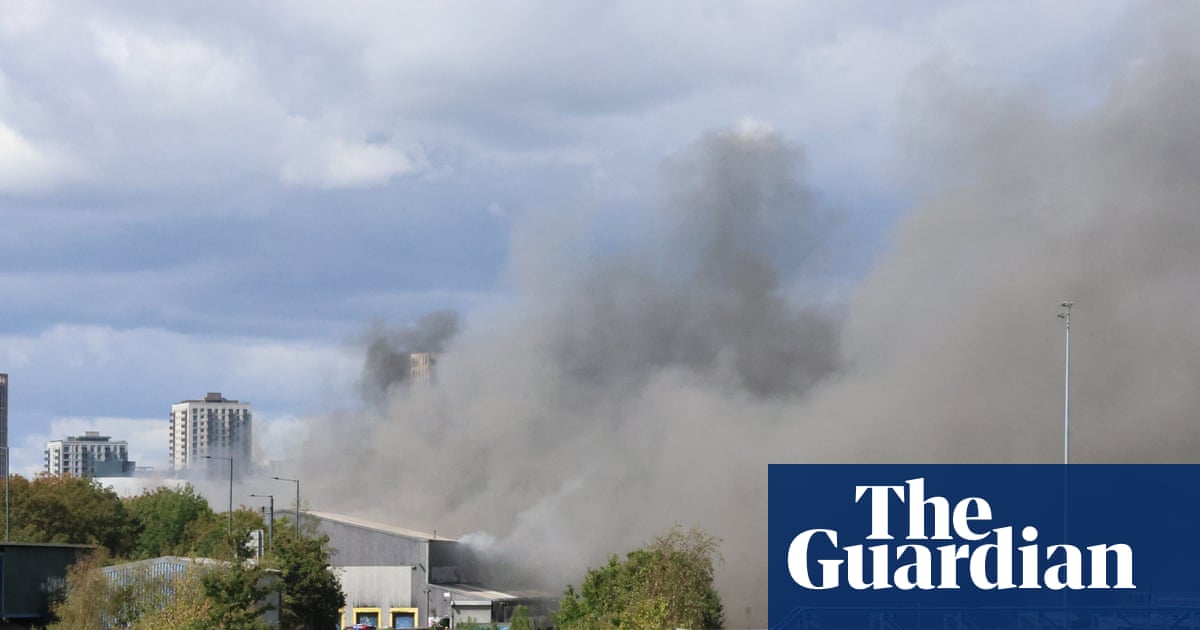
A substantial fire erupted at a waste processing facility in Neasden, located in north-west London, triggering a major emergency response and significant disruptions to public transportation networks. The blaze occurred at an industrial estate situated less than one mile from Wembley Stadium, drawing attention due to its proximity to a major sporting venue and dense urban infrastructure. Emergency services were dispatched shortly after mid-morning reports of the incident, with crews arriving to find a well-developed fire consuming a large section of the site.
The scale of the operation required the mobilization of twenty fire engines and approximately 125 firefighters from the London Fire Brigade. Andy Pennick, an assistant commissioner for the brigade, noted that the initial assessment revealed an industrial unit measuring roughly 100 meters by 150 meters was fully alight. Recognizing the intensity of the flames, command staff immediately escalated resources to contain the spread. The incident was described as protracted, with crews expected to remain on site throughout the day to ensure complete extinguishment and prevent reignition.
The fire’s location near critical transit corridors resulted in immediate and widespread travel chaos. Transport for London announced a total suspension of services on the Metropolitan line, which runs directly adjacent to the blaze. Additionally, the Jubilee line saw no service between Wembley Park and West Hampstead stations, with severe delays affecting the remainder of the network. Rail services connecting to London Marylebone station were also disrupted, impacting commuters and travelers relying on these routes during peak afternoon hours.
Safety protocols led to the evacuation of a nearby Amazon warehouse, which is separate from the industrial unit involved in the fire. While no injuries were reported among staff or emergency personnel, the proximity of commercial operations to the blaze underscored the risks associated with large-scale waste facilities in urban environments. The London Fire Brigade stated that the situation was under control by approximately 5:00 pm, though monitoring continued into the evening.
This event is not an isolated incident but part of a troubling pattern affecting London’s waste management infrastructure. It represents the third major fire at a recycling center in the capital this summer. Earlier in the month, emergency responders dealt with a similar blaze at a facility in Deptford, which involved approximately 50 tonnes of stored household waste and required about 100 firefighters to manage. These recurring incidents have drawn scrutiny from officials concerned about the frequency and severity of such emergencies.
Investigations into the cause of the Neasden fire are ongoing, but data suggests a likely link to improper disposal practices. Figures from the Environmental Services Association indicate that fires at recycling centers caused by wrongly discarded lithium batteries occur at a rate of more than ten per week. These batteries, often found in electronic devices such as vapes and mobile phones, can ignite spontaneously when crushed or damaged during waste processing. The resulting thermal events are difficult to suppress and pose significant hazards to workers and surrounding properties.
The financial burden of these incidents is substantial. Industry estimates suggest that battery-related fires at waste facilities cost approximately £1 billion annually. This figure includes direct firefighting costs, property damage, operational downtime, and environmental remediation efforts. Fire chiefs have expressed growing frustration over the lack of effective prevention measures and the increasing volume of hazardous materials entering the waste stream without adequate screening or consumer education.
As authorities continue to investigate the specific cause of the Neasden blaze, the incident serves as a stark reminder of the vulnerabilities within modern waste management systems. The disruption to transit services highlights the interconnectedness of urban infrastructure, where a single industrial accident can ripple through daily life for thousands of residents. Future policy discussions may need to address stricter regulations on battery disposal and improved safety protocols at recycling centers to mitigate these recurring risks.
Sources behind this briefing
Go to the original reporting
- The Guardian World↗Large fire near Wembley Stadium disrupts tube and rail services

