The short version
- Nicolás Maduro and Cilia Flores entered not-guilty pleas to new charges alleging they directed a systematic campaign of torture against political opponents and Americans.
- The rewritten indictment expands beyond previous drug trafficking allegations to include specific accusations of physical abuse, psychological torment, and the development of repressive mechanisms.
- Legal proceedings are moving forward with a trial date set for mid-June, despite defense arguments regarding sovereign immunity and claims that the accusations are fabricated.
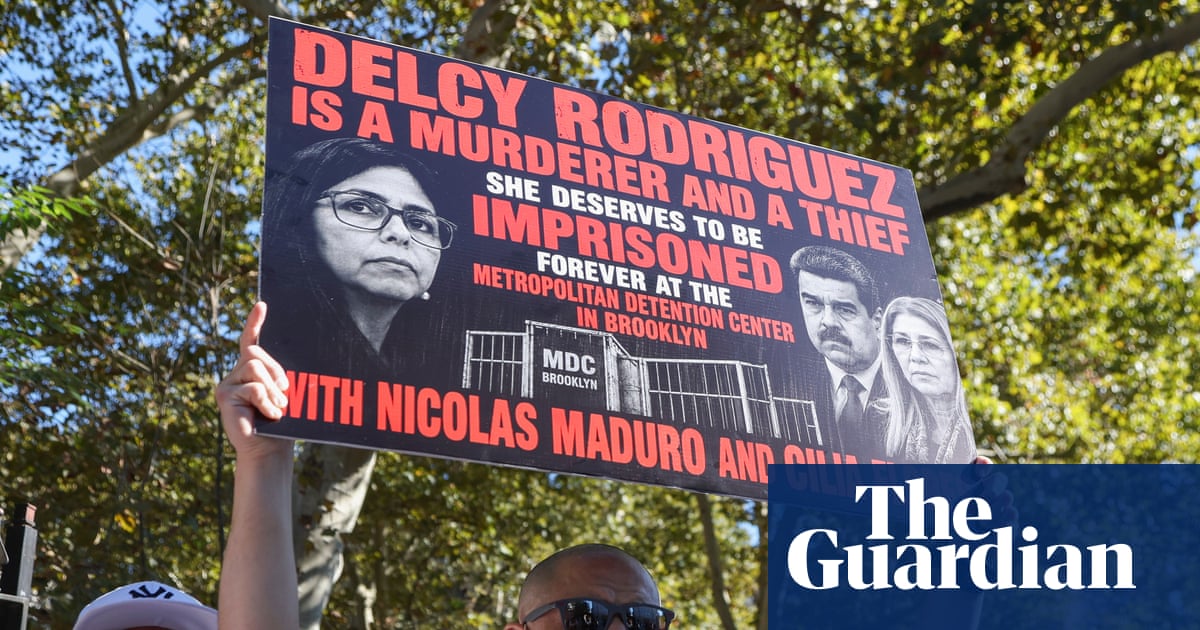
Nicolás Maduro appeared in a New York federal court on Thursday to face a significantly expanded set of criminal charges that accuse him and his wife, Cilia Flores, of orchestrating a state-sponsored campaign of torture. The deposed Venezuelan president, who was detained by US military forces in a nighttime raid at his Caracas residence earlier this year, was brought before Judge Alvin K Hellerstein shackled at the ankles. During the hearing, Maduro rejected the new allegations through an interpreter, characterizing them as false accusations and false testimony rather than entering a formal plea immediately.
Judge Hellerstein ultimately entered a not-guilty plea on behalf of both defendants after Maduro twice declined to do so directly, choosing instead to criticize the validity of the indictment. Cilia Flores, 70, also spoke through an interpreter, stating clearly that she is completely innocent and not guilty of the charges. The legal proceedings mark a critical juncture in the US government’s effort to hold the former leadership accountable for human rights abuses committed while they held power in Venezuela.
The rewritten indictment introduces serious allegations regarding the systematic abuse of prisoners under Maduro’s administration. Prosecutors allege that Maduro oversaw a violent system designed to beat, asphyxiate, and deliver electric shocks to victims. The charges claim he personally recommended specific torture methods, received detailed updates on the treatment of individual detainees, and engaged in psychological torture by threatening to kill a prisoner’s child. These accusations represent a shift from the previous focus on drug trafficking conspiracies.
Cilia Flores faces distinct allegations within the same legal framework. As a former attorney general, she is accused of helping to develop the repressive apparatus used by the state and ordering the torture of specific individuals. The indictment suggests that her role was integral to the implementation of these abusive practices, positioning her as a key architect alongside Maduro in the alleged campaign against dissenters and critics.
The scope of the new charges extends back to 2013, when Maduro assumed the presidency following the death of his mentor Hugo Chávez. This timeline covers the entirety of his tenure and aligns with years of international scrutiny regarding human rights violations in Venezuela. The allegations include abuse against scores of victims, including three American citizens, highlighting the transnational nature of the crimes and justifying US jurisdiction under international law principles.
Torture is recognized as a crime under international law, allowing for prosecution outside the country where the abuse occurred and regardless of victim nationality. However, the prosecution of foreign officials in United States courts remains exceedingly rare. Previous instances include cases involving the son of former Liberian president Charles Taylor, Russians accused of war crimes in Ukraine, and a former prison warden from Bashar Assad’s Syria. This rarity underscores the significance of the current proceedings.
Defense attorneys have consistently argued that the case should be dismissed on grounds of sovereign immunity, asserting that Maduro and Flores were entitled to protection as the leader and first lady of a foreign nation. Barry Pollack, one of Maduro’s lawyers, stated that his client looks forward to his day in court despite denying the charges. The legal team maintains that the accusations are baseless and part of a politically motivated effort.
The trial schedule has been adjusted following requests from both prosecution and defense teams. Prosecutors informed Judge Hellerstein that both sides agreed to move the trial date from June 1 to June 14. This procedural change allows for additional preparation time as the legal teams navigate the complex implications of the expanded indictment. The case continues to draw attention due to its unprecedented nature in holding a former head of state accountable in US courts.
Maduro has long faced international scrutiny, including investigations by the International Criminal Court over allegations of crimes against humanity related to his crackdown on political opponents. He has consistently denied any wrongdoing throughout these years of investigation. The current proceedings in New York represent a distinct legal avenue from those international efforts, focusing specifically on acts that fall under US jurisdiction and international treaties ratified by the United States.
As the case moves toward trial, the focus remains on whether prosecutors can substantiate the detailed allegations of torture and repression outlined in the rewritten indictment. The defense’s strategy appears centered on challenging the legitimacy of the charges and asserting immunity protections. The outcome could set significant precedents for how former foreign leaders are held accountable for human rights abuses committed while in office.
Sources behind this briefing
Go to the original reporting
- The Guardian US↗Nicolás Maduro tells New York court new torture allegations are ‘false’