The short version
- Measurements of 121 bat specimens show that modern skulls are approximately six percent smaller than those collected before the 1980s.
- Researchers link this physical change to the rise of commercial hunting, which targets larger, mature individuals for meat markets.
- The decline in bat size and population threatens forest regeneration, as these bats are critical seed dispersers for large-fruited plants.
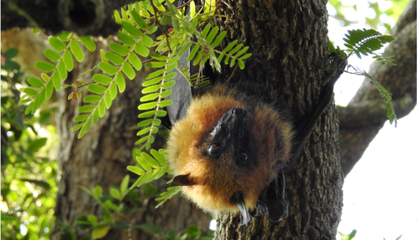
Malagasy flying foxes, among the largest fruit bats globally with wingspans reaching five feet, appear to be undergoing a significant physical transformation. New research indicates that these mammals are shrinking in size, a trend that scientists attribute primarily to human hunting practices. The findings, published in the Journal of Mammalogy, suggest that the removal of larger individuals from the population is altering the species' physical characteristics over time.
The study originated from observations made by Emily Cornelius Ruhs, a post-doctoral researcher at the Field Museum. She noted that the flying fox skeletons in the museum’s collection seemed substantially larger than the bats she encountered during fieldwork. To investigate this discrepancy, Ruhs and her team moved beyond digital records to physically measure specimens housed across nine museums in the United States and Europe.
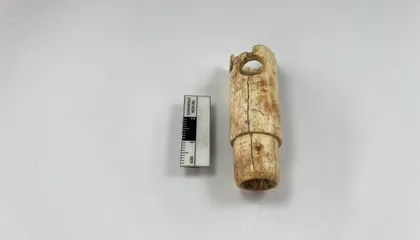
Steven Goodman, a field biologist at the Field Museum and co-author of the study, examined 121 Malagasy flying fox specimens. He recorded measurements for twelve distinct features of the bats’ skulls and teeth. Ruhs then analyzed this data to determine how the mammals’ size had changed over the past century and a half.
The analysis revealed a sharp divergence in size around the 1980s. Bats collected prior to that decade had skulls that were, on average, six percent longer than those collected afterward. This timeline coincides with the emergence of commercial hunting for flying foxes in Madagascar. Before the 1980s, hunting was largely subsistence-based, limited to feeding families or local villages.
The shift to commercial markets changed the pressure on the population. Bats began appearing more frequently on restaurant menus and in local markets, increasing the demand for meat. While this does not constitute a massive industrial supply chain comparable to those in the United States, it has placed significant stress on the animal populations. The timing of the size reduction aligns closely with this increase in commercial harvesting.
Researchers hypothesize that hunters preferentially target larger, more mature bats because they provide more meat. This selective pressure may be driving the observed shrinkage. It remains unclear whether this change is genetic or simply a result of removing the largest individuals from the wild before they can reproduce effectively. The study does not definitively prove causation but highlights a strong correlation between hunting intensity and physical size.
The ecological implications are substantial. Malagasy flying foxes are classified as vulnerable, with population estimates dropping by two-thirds since the early 2000s. These bats reproduce slowly, often bearing only one pup per year. Removing sexually mature individuals from the gene pool can have cascading effects on population viability and long-term stability.
Beyond their own survival, these bats play a keystone role in Madagascar’s ecosystems. They feed on large fruits, such as figs, and disperse seeds across vast areas. Ecologists warn that if the bats’ mouth morphology changes due to shrinking size, they may lose the ability to process larger fruits and seeds. This could hinder forest regeneration and impact the broader biodiversity that depends on these habitats.
While climate change and deforestation are also threats to Madagascar’s wildlife, the specific timing of the size reduction points to hunting as the primary driver in this case. The research underscores how human consumption patterns can rapidly alter the physical traits of wildlife, with potential long-term consequences for ecosystem health.
Further study is needed to determine the genetic basis of these changes and to assess the full extent of the impact on seed dispersal networks. Conservation efforts may need to focus not only on protecting population numbers but also on preserving the size structure and reproductive capacity of vulnerable species.
Sources behind this briefing
Go to the original reporting
- Smithsonian Magazine↗Madagascar's Giant Bats Seem to Be Shrinking. After Measuring 121 Specimens, Scientists Suggest Hunting by Humans Is to Blame