The short version
- Emmanuel Macron faces fierce criticism from across the political spectrum after a speech that offered no concrete measures to address widespread riots and looting.
- France’s high national debt and budget deficit prevent the government from using fiscal spending to ease social tensions, limiting its response to police enforcement.
- The president’s long-standing strategy of detached authority has eroded his standing, potentially benefiting far-right candidates in the upcoming presidential election.
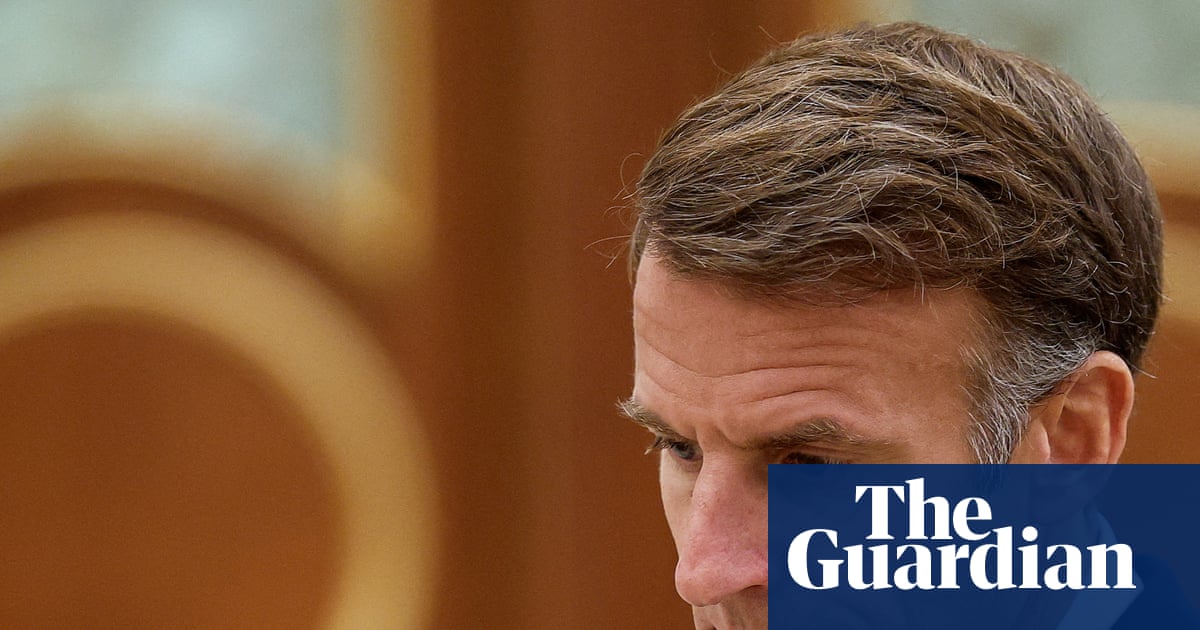
French President Emmanuel Macron stands increasingly isolated as condemnation mounts from all sides of the political spectrum following a weekend of intense civil unrest. The crisis erupted after largely peaceful student protests over overcrowded classrooms merged with broader grievances regarding rising living costs and inequality. This convergence drew together students, teachers, trade unionists, and members of the revived yellow vests movement, creating a broad coalition of dissatisfaction that quickly escalated beyond initial demonstrations.
The situation deteriorated rapidly when masked groups hijacked the protests, engaging in violent acts including vehicle arson, business looting, and attacks on public infrastructure. Reports indicate that over two thousand shops were ransacked, more than two thousand people were arrested, and approximately one thousand police officers sustained injuries. Notable incidents included the burning of a town hall in Limoges and an invasion of municipal offices in Marseille, marking some of the most severe disorder seen in France in recent years.
In response to the chaos, Macron delivered an eight-minute address from the Élysée Palace on Sunday. He expressed anger and shame regarding the violence but stopped short of announcing specific policy changes, cabinet reshuffles, or new public spending initiatives. Instead, he instructed his prime minister to organize consultations and urged opposition politicians to take a stand. The speech acknowledged the deep anxiety felt by young people yet failed to provide tangible solutions to the underlying issues driving the unrest.
The political reaction to the president’s address was uniformly harsh. Leaders from the Greens, National Rally, centre-right, and radical left all criticized the lack of substantive action. Marine Tondelier of the Greens accused Macron of avoiding accountability, while Jordan Bardella of the National Rally described the speech as lamentable. Even former allies expressed disappointment; Édouard Philippe, a former prime minister, stated that the country needed decisive governance rather than vague consultations. This broad-based criticism highlights the depth of Macron’s current political vulnerability.
Critics argue that Macron’s isolation stems from a strategic approach he has maintained since taking office in 2017. He initially positioned himself as a distant, technocratic leader above daily politics, a style often described as Jupiterian. However, this high-handed manner has increasingly been perceived as arrogance and detachment. His lack of prior experience in local elected offices has contributed to accusations that he is out of touch with the everyday struggles of French citizens, further eroding his public support.
Compounding these political missteps are significant institutional challenges. Macron lost a functional parliamentary majority after failing to campaign effectively between the 2022 presidential and legislative elections. His subsequent decision to dissolve the national assembly resulted in a deeply divided parliament, split among a fractured left, a weakened centrist bloc, and a strengthened far-right presence. Without a working majority, the government has frequently relied on controversial constitutional maneuvers to pass legislation, drawing accusations of democratic illegitimacy.
The government’s ability to respond to the crisis is severely constrained by France’s precarious economic situation. The national debt stands at 119 percent of GDP, the highest level since 1946, while the budget deficit reaches 5.1 percent, among the highest in the European Union. These fiscal realities mean there are no funds available for targeted spending packages or public sector concessions that might otherwise ease social tensions. Consequently, the government has resorted to traditional police measures, including teargas and baton charges, which have further inflamed public anger.
The long-term implications of this crisis could reshape the French political landscape. The centrist coalition built around Macron’s brand appears to be collapsing under the weight of these events. If the unrest continues, analysts suggest that far-right candidates advocating for law and order may emerge as the primary beneficiaries. With a presidential election approaching in six months, Macron’s current weakness poses significant risks to his re-election prospects and the stability of his political project.
Sources behind this briefing
Go to the original reporting
- The Guardian World↗Ferocious criticism from all sides underlines Macron’s isolation