The short version
- Lumo trains are running services exceeding five hours without working onboard toilets due to a technical fault affecting refurbished carriages.
- Operators have increased dwell times at intermediate stations like Preston so travelers can use platform restrooms, causing significant delays and some service terminations.
- The incident highlights ongoing reliability challenges with Class 222 Meridian trains, which are also used by East Midlands Railway, though no legal mandate requires onboard facilities.
Passengers traveling on Lumo’s West Coast Main Line services have faced significant disruptions as the operator runs long-distance journeys without functional onboard toilets. The issue affects routes spanning more than 417 miles between London Euston and Stirling, with some trips lasting over five and a half hours. In response to the failure of sanitation facilities, train crews have been instructed to extend stopping times at intermediate stations, such as Preston, allowing riders to disembark and use platform amenities. This operational adjustment has resulted in considerable delays, including a Friday morning service from London that arrived 58 minutes late and was forced to terminate early at Motherwell in North Lanarkshire.
Lumo, a subsidiary of FirstGroup, initially identified the problem as a fault affecting toilet reliability on its West Coast services. The company acknowledged the inconvenience caused by the breakdowns and stated it is collaborating with Alstom, the manufacturer responsible for refurbishing the carriages in question. Alstom admitted that the current situation fails to meet the standards expected by paying customers, particularly on lengthy journeys. Both entities are now reviewing the entire fleet to identify the root cause of the failures and improve overnight servicing protocols to prevent recurrence.
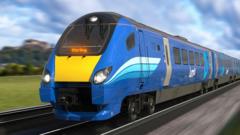
The trains involved in these disruptions are Class 222 Meridian units, which have undergone refurbishment for Lumo’s operations. These same carriages are utilized by East Midlands Railway, which has also reported similar toilet faults within its fleet. This pattern suggests a potential systemic issue with the refurbished rolling stock rather than an isolated incident specific to one operator. The reliance on these particular train models means that resolving the technical defects could have broader implications for rail services across multiple operators in Britain.
Unlike traditional franchised train operators, Lumo operates on an open-access basis. This model allows the company to set its own fares and assume full revenue risk without receiving taxpayer-funded subsidies. Consequently, Lumo is not subject to the government’s recent renationalization plans for remaining franchised services. However, this independence does not exempt the operator from scrutiny regarding service quality. Critics have pointed out that running long-distance trains without basic amenities raises questions about the viability of such business models when technical failures occur.
Political reaction to the incident has been swift, with Liberal Democrat transport spokesperson Olly Glover questioning whether Lumo is attempting to emulate budget airline strategies by stripping back essential services. The comparison to Ryanair highlights concerns that cost-cutting measures or operational shortcuts may be compromising passenger comfort and safety standards. While train operators in Britain are not legally required to provide onboard toilets, the expectation for such facilities on journeys lasting several hours remains high among travelers.
For passengers affected by the disruptions, Lumo has offered some recourse by allowing tickets to be used on ScotRail services where possible. This arrangement aims to mitigate the impact of early terminations and delays, although it does not fully compensate for the inconvenience of extended travel times and lack of onboard facilities. The company continues to work with Alstom to restore toilet availability across its West Coast route, emphasizing that maintaining service reliability is a priority despite the current technical challenges.
The incident underscores the complexities of modern rail operations, where refurbished infrastructure must balance cost efficiency with passenger expectations. As Lumo and Alstom investigate the fleet-wide issues, the focus remains on restoring functionality to the sanitation systems without further disrupting travel plans. The outcome of this review will likely influence how other operators manage similar fleets and address potential vulnerabilities in their own rolling stock.
Looking ahead, the resolution of these faults will be critical for maintaining public confidence in Lumo’s services. The company’s ability to rectify the issues promptly and transparently will determine whether this incident becomes a temporary setback or a lasting stain on its reputation. With no immediate legislative changes forcing operators to provide toilets, the market dynamics and consumer pressure will play a significant role in shaping future service standards.
As the investigation continues, passengers are advised to check for updates before traveling on affected routes. The extended station stops may lead to unpredictable schedules, making flexibility essential for those relying on these services. Lumo’s commitment to working closely with Alstom suggests a collaborative approach to solving the problem, but the timeline for full restoration remains uncertain.
This situation serves as a reminder of the fragility of rail networks dependent on complex mechanical systems. While open-access operators like Lumo bring competition and innovation to the sector, they must also ensure that their services meet the basic needs of travelers. The ongoing dialogue between Lumo, Alstom, and regulatory bodies will be crucial in preventing similar disruptions in the future.
Sources behind this briefing
Go to the original reporting
- BBC News↗Six-hour train services between London and Stirling running with no toilets after fault

