The short version
- President Lula da Silva released a campaign advertisement alleging that Donald Trump is attempting to influence the upcoming Brazilian election to favor far-right candidate Flávio Bolsonaro.
- The accusation coincides with increased diplomatic and economic pressure from Washington, including new tariffs on Brazilian imports, which critics describe as destabilizing.
- While the US State Department has firmly denied meddling in the election, concerns about foreign interference have spread across Brazil's political spectrum, including among some right-wing figures.
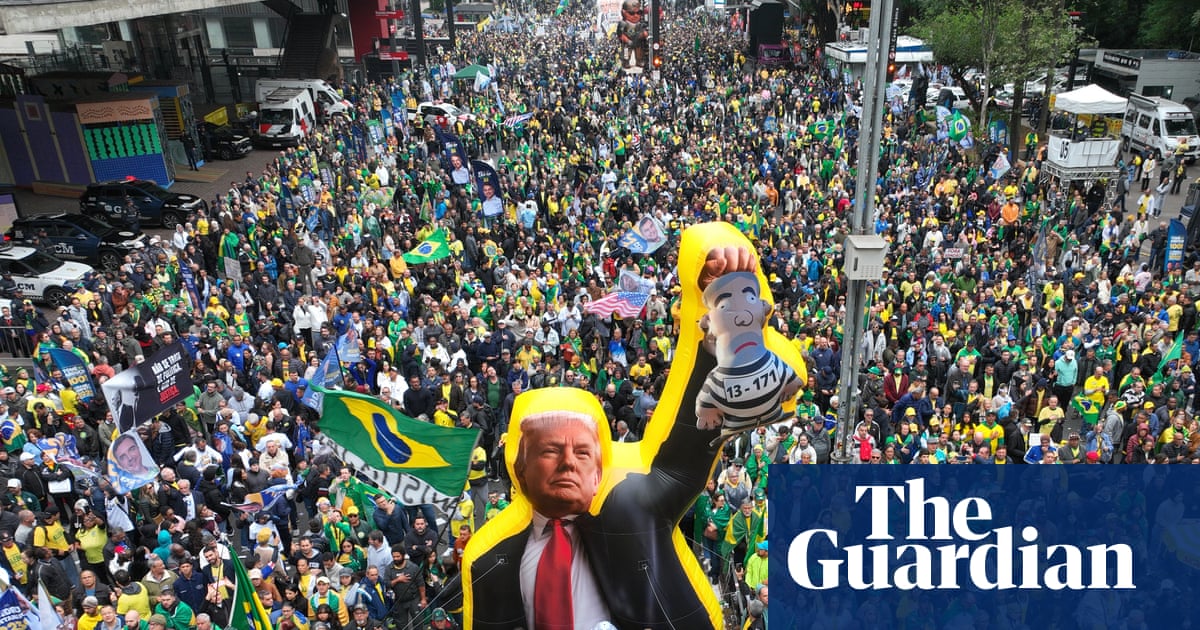
Tensions between Washington and Brasília have escalated sharply as President Luiz Inácio Lula da Silva’s campaign team released a televised advertisement accusing Donald Trump of attempting to manipulate Brazil’s upcoming presidential election. The ad, broadcast on Thursday, alleges that the US president is working to sway voters toward Flávio Bolsonaro, Lula’s far-right opponent, with the ultimate goal of colonizing Brazil and seizing its natural resources. This public confrontation marks a significant deterioration in diplomatic relations just days before the first round of voting.
The narrative presented in the campaign spot frames the election not merely as a domestic contest but as a struggle against external exploitation. A narrator in the minute-long video asserts that Bolsonaro serves as Trump’s candidate, aiming to hand over Brazil’s wealth and leave the nation impoverished. Lula reinforced this message on social media, warning that under Bolsonaro’s leadership, Brazil risks becoming a colony once again. These claims are part of a broader strategy by Lula’s team to mobilize public sentiment against perceived foreign interference.
The backdrop to these accusations includes a series of recent developments that have fueled suspicions of US involvement. Reports have emerged regarding alleged interference by major technology companies and a confidential warning from Brazil’s intelligence agency indicating a critical risk level of external meddling. Additionally, the campaign highlighted connections between Bolsonaro’s operation and Rockbridge, a conservative donor network co-founded by Vice President JD Vance. These elements are being used to construct a narrative of coordinated effort to undermine Brazilian sovereignty.
In response to these allegations, the US State Department has issued a strong denial. A statement released last month characterized any suggestion of a plot to undermine a democratic nation’s election as a baseless lie. The department has not yet responded to recent requests for comment regarding specific actions taken by the Trump administration. Despite this official stance, the perception of interference remains potent in Brazil, driven by tangible economic measures such as the imposition of 25% tariffs on Brazilian imports.
The concern over US influence is not limited to the political left. Renan Santos, another right-wing candidate in the race, has also criticized Trump’s approach, stating that he does not want Brazil to become a vassal state or an American protectorate. Santos argued that the interference aims to secure favorable contracts for rare earth minerals. This cross-partisan unease suggests that fears of losing national autonomy are resonating beyond traditional political divides, complicating the domestic discourse surrounding foreign policy.
Domestic political dynamics in Washington have also reacted to the situation. Dozens of Democratic lawmakers wrote to Secretary of State Marco Rubio, denouncing what they described as a sustained campaign of interference and destabilization. The letter argued that such actions risk weakening democratic institutions and damaging the relationship with a strategic ally. The legislators requested a commitment from the Trump administration to respect Brazil’s electoral process, setting a deadline for a response by October 1.
With less than a week remaining until the October 4 first-round vote, polls indicate a tight race between Lula and Bolsonaro. If no candidate secures more than half of the votes, a runoff will be held on October 25. The intensity of the campaign has led to heightened anxiety about the integrity of the electoral process. Lula addressed these concerns indirectly at the United Nations General Assembly, asserting that Brazilian democracy belongs to Brazilians and warning against attacks from both internal and external enemies.
Lula’s communications secretary, Éden Valadares, stated that the campaign ad is intended to alert the public to an ideologically driven US campaign. While expressing skepticism about the effectiveness of foreign interference, Valadares emphasized that the government would not remain passive. Plans are underway for nationwide events this Sunday to mobilize society and react in the streets. This response underscores the high stakes involved and the determination of Lula’s team to frame the election as a defense of national sovereignty.
The situation highlights the complex interplay between domestic politics and international relations in an era of heightened geopolitical competition. As Brazil prepares for its vote, the allegations of US meddling serve to polarize public opinion and intensify scrutiny of foreign actors. Whether these claims reflect actual interference or are primarily a rhetorical tool remains a subject of debate, but their impact on the political atmosphere is undeniable.
Looking ahead, the outcome of the election could have significant implications for regional stability and global trade dynamics. The potential for a Bolsonaro victory, coupled with continued tensions with Washington, raises questions about future cooperation on issues ranging from environmental policy to resource management. Conversely, a Lula re-election might lead to a recalibration of relations, though trust has been significantly eroded by recent events. The coming weeks will be critical in determining the direction of Brazil-US ties.
Sources behind this briefing
Go to the original reporting
- The Guardian US Politics↗Lula says Trump wants to ‘colonise’ and capture Brazil’s resources by meddling in election