The short version
- A four-acre field in Norfolk has transformed from monoculture crop land to a habitat with over 150 plant species without commercial seeding.
- The study indicates that patience and annual hay removal allow natural seed dispersal to outperform expensive restoration interventions.
- Conservationists argue this method produces more genetically diverse and locally adapted meadows than standard wildflower mixes.
A long-term ecological experiment in north Norfolk, England, offers a counterintuitive approach to restoring degraded farmland. Research published in the journal Restoration Ecology details how a four-acre plot, once dominated by oilseed rape, has evolved into a biodiverse meadow hosting more than 150 plant species. The transformation occurred without the use of commercial wildflower seeds, deep ploughing, or topsoil removal, methods that are currently standard in many conservation efforts to revive lost habitats.
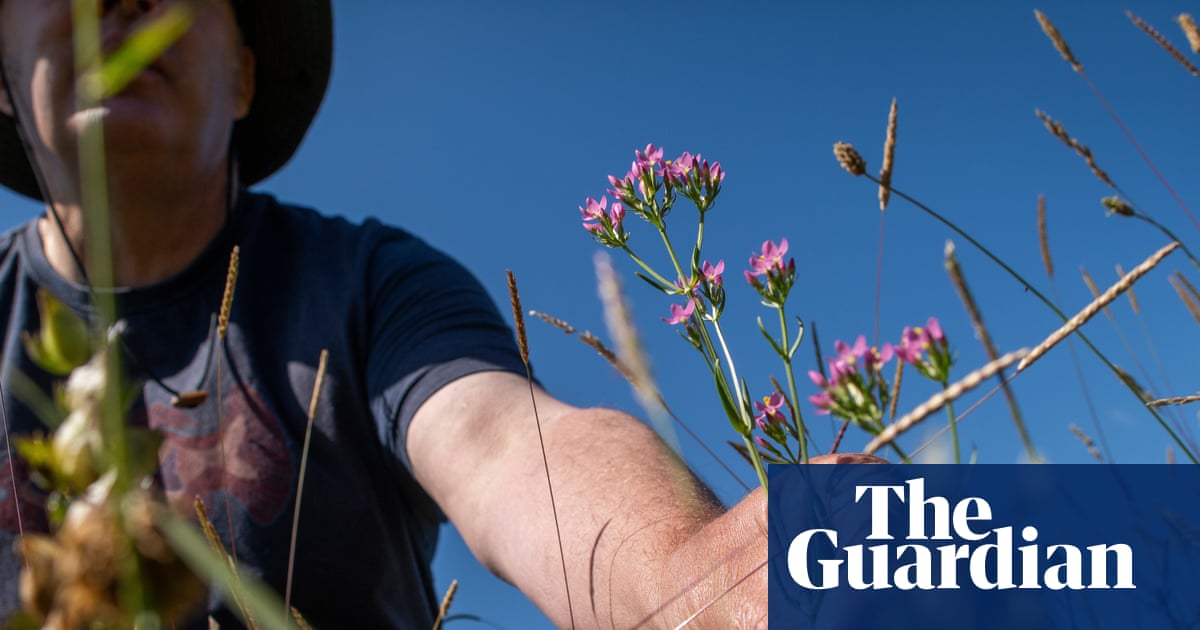
The site, known as Old Meadow, is owned by Derek Sayer, an 86-year-old farmer who ceased cultivating the land in 2005 due to inconsistent yields and boggy conditions. For five years, the field was left entirely untouched, allowing thistles and other arable weeds to take over. In 2011, Carl Sayer, a professor of limnology at University College London and Derek’s son, began an annual hay-cutting regimen. This single intervention has been sufficient to shift the ecosystem from a weed-dominated state to a perennial sward rich in orchids, centaury, and yellow rattle.
The findings challenge prevailing assumptions in land management regarding the necessity of active seeding. Conservationists have long struggled with the loss of traditional meadows, noting that 98 percent of such habitats in England and Wales have been destroyed over the last century. Current restoration projects often rely on purchasing seed mixes to jump-start biodiversity. However, Carl Sayer argues that this approach can lack patience and genetic nuance, suggesting that nature possesses an inherent capacity for self-repair if given sufficient time and minimal disturbance.
The mechanism behind this regeneration remains partially mysterious, particularly given the surrounding landscape. The meadow is bordered by intensively farmed land, and the nearest populations of some rare flowers found in the field are at least three miles away. Researchers hypothesize that seeds may have been transported by wild deer roaming the countryside, carried on their hooves or coats. While skeptics have jokingly suggested human interference, such as seeds clinging to clothing, the study emphasizes the absence of deliberate sowing.
The annual hay-cut serves a critical ecological function beyond simple maintenance. By removing biomass each summer, the practice reduces nutrient levels in the soil, creating conditions favorable for delicate wildflowers that would otherwise be outcompeted by grasses and weeds. Additionally, the cutting prevents the field from transitioning into woodland, which is occurring in uncut patches where sallow bushes have grown as high as a house. While these wooded areas support wildlife, they do not provide the same rare habitat value as flower-rich meadows.
The biodiversity of the restored meadow extends beyond flora to include fauna such as quail, whitethroats, hoverflies, and butterflies. The ecological complexity has also yielded practical benefits for neighboring agriculture. A local farmer cuts the hay annually to feed cattle, noting that the diverse mix of plants provides medicinal properties absent in monoculture rye-grass fields. This aligns with traditional farming wisdom that valued varied pasture for livestock health, contrasting with modern industrial approaches.
The social dimension of the project highlights the friction and eventual acceptance between traditional farming values and ecological experimentation. Derek Sayer initially viewed the overgrowth as a failure of stewardship, describing the early stages as rubbish. Over time, however, his perspective shifted from skepticism to curiosity, with inquiries now focusing on orchid counts rather than weed control. This personal evolution mirrors a broader potential shift in how landowners might view fallow periods and natural regeneration.
The study underscores the limitations of what some critics term generic meadows created from popular seed mixes. These commercially produced habitats often become dominated by a few aggressive species like oxeye daisies and knapweed, lacking the genetic diversity of self-seeded environments. The Old Meadow experiment suggests that locally appropriate plants, arriving through natural dispersal mechanisms, create more resilient ecosystems. This approach requires less financial investment but demands a longer timeline for results.
As conservation efforts intensify to meet biodiversity targets, this research provides evidence that low-intervention strategies can be effective. The success of the Norfolk meadow indicates that removing agricultural inputs and allowing natural processes to unfold over decades can yield significant ecological gains. For land managers and policymakers, the implication is clear: patience may be as valuable a tool as capital investment in restoring England’s lost landscapes.
Future research will likely focus on replicating these conditions in different soil types and climatic zones to determine the universality of the findings. The current data offers a compelling case study for regions where intensive farming has depleted soil health and biodiversity. By demonstrating that nature can reclaim degraded land without expensive interventions, the study opens new avenues for sustainable land management that balance ecological restoration with agricultural utility.
Sources behind this briefing
Go to the original reporting
- The Guardian US↗‘I love it. It’s hope’: the mysterious self-willed wildflower meadow that seeded itself

