The short version
- The British Transport Police spent over £320,000 on a trial that produced no arrests directly linked to facial recognition alerts.
- Authorities plan to extend the program despite criticism regarding its lack of tangible results and potential privacy violations.
- Critics argue the technology lacks a proper legal framework and proportionate oversight for public deployment.
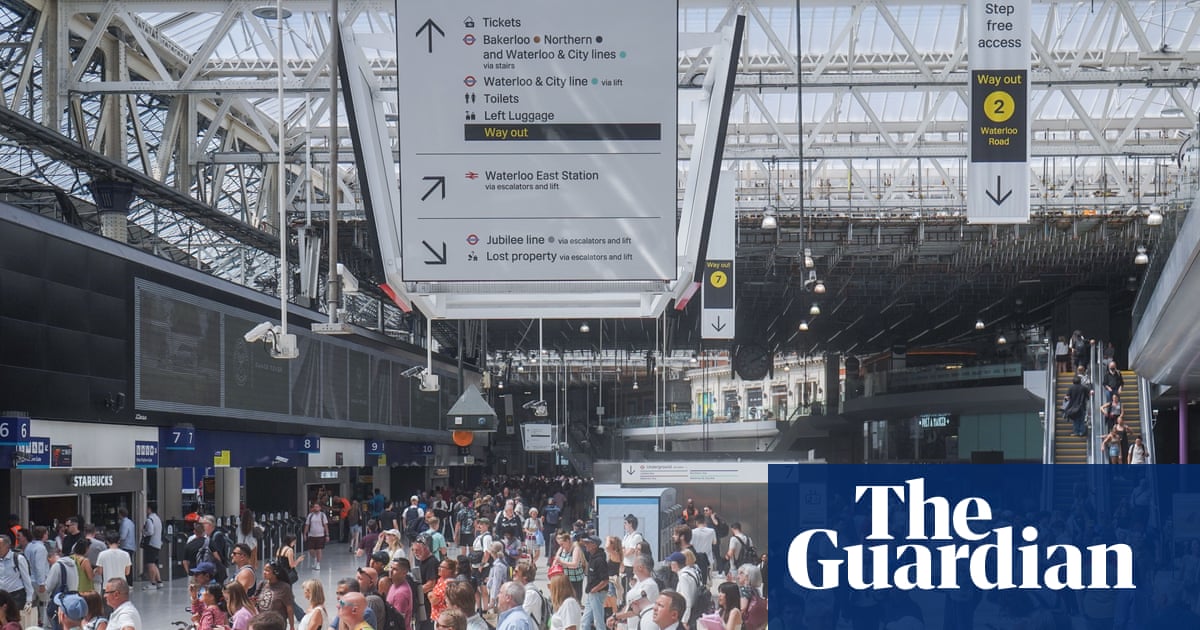
A six-month experimental use of live facial recognition technology at London’s busiest railway stations has concluded with no arrests directly attributable to the system. The trial, conducted by the British Transport Police between February and July of this year, cost taxpayers approximately £320,786 and consumed nearly 100 hours of police officer time. According to documents obtained through a freedom of information request, the initiative generated only one alert against a watchlist of suspects, which was subsequently determined to be an incorrect identification.
During the testing period, cameras scanned more than half a million faces across eighteen deployments in key transport hubs. The stated objective of the program was to assist law enforcement in identifying individuals who breached court orders or posed risks to passengers and staff. However, the performance data indicates that the technology failed to produce any successful identifications that led to immediate apprehension during the trial window.
Despite these outcomes, the British Transport Police announced plans to extend the pilot for an additional four months. The expanded phase will include London Underground stations, broadening the scope of surveillance beyond the initial railway network. Transport for London expressed support for this continuation, asserting that the technology would help target individuals on police watchlists at strategically chosen locations to maximize impact.
Proponents of the expansion argue that the system addresses specific safety concerns, particularly violence against women and girls. Officials suggest that sexual harassment and offenses often shape travel behaviors, and that identifying known offenders could improve security in these public spaces. The police maintain that the trial was designed to understand how best to deploy the capability effectively within a complex railway environment.
A British Transport Police spokesperson clarified that while no arrests resulted directly from facial recognition alerts, officers did make several other arrests during the deployments for offenses such as assault, theft, and possession of offensive weapons. These apprehensions were not included in the performance metrics for the technology because they did not stem from an automated alert. The force emphasized that watchlist construction was deliberate and controlled to ensure data quality and robust governance.
Critics, however, view the results as evidence of the technology’s limited utility in this context. Fraser Sampson, a former biometrics commissioner, noted that while facial recognition may deter shoplifting in retail environments, its success in catching criminals on public transport networks appears less fruitful. He stressed that the effectiveness of such systems depends heavily on the composition and accuracy of police watchlists.
Privacy advocates and legal experts have raised significant concerns about the proportionality and necessity of deploying such surveillance in public spaces. A recent report from parliament’s joint committee on human rights identified the rollout of live facial recognition as a clear risk to civil liberties. The committee called for new legislation to address threats posed by artificial intelligence, emphasizing the need for stronger safeguards.
Bell Ribeiro-Addy, a Labour MP, described the technology as a serious invasion of privacy and urged the government to suspend its rollout until a proper legal framework is established. With more than half of police forces in England and Wales now using similar systems on streets, and fixed cameras planned for London’s West End, the debate over balancing security needs with individual rights continues to intensify.
The Information Commissioner’s Office has previously highlighted the need for oversight boards to hold police firmly accountable for how they use special category personal data. As the trial expands, questions remain about whether the technology can meet the criteria of being appropriate and necessary while respecting the privacy of millions of commuters who are not on any watchlist.
Sources behind this briefing
Go to the original reporting
- The Guardian World↗Trial of live facial recognition in London stations ends with a false positive and no arrests