The short version
- Uber and Wayve have secured the first licenses to operate self-driving taxis in London, though trips will initially include human safety drivers.
- The partnership aims to launch services later this summer, competing with global rivals like Waymo and Baidu in a market that has previously kept US and Chinese tech firms separate.
- Regulators emphasize strict safety standards aligned with Vision Zero goals, requiring future approval from the Driver and Vehicle Standards Agency for fully driverless operations.
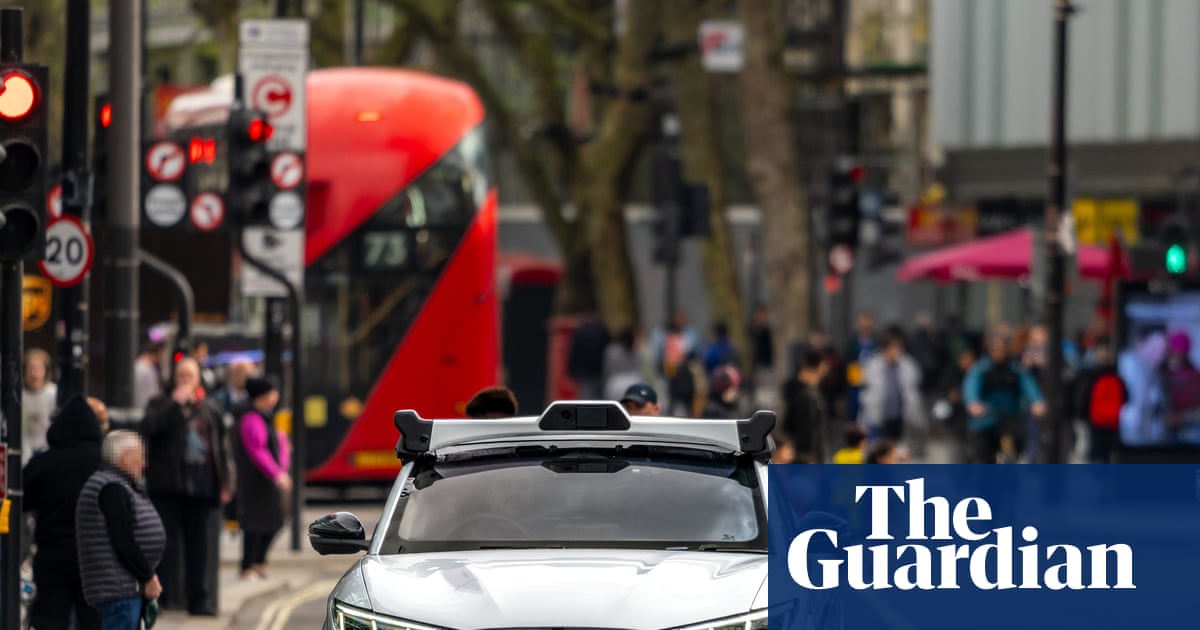
Transport for London has officially granted the first minicab licenses to a partnership between Uber and autonomous technology developer Wayve, permitting them to offer self-driving taxi services to paying customers in the capital. This regulatory approval marks a pivotal moment for the city’s transportation landscape, allowing the deployment of Ford Mustang Mach-E vehicles equipped with Wayve’s artificial intelligence driving software, surround cameras, and radar systems. While the licenses authorize commercial operation, the initial phase will require a licensed private hire driver to remain in the vehicle seat, ready to intervene if necessary, even as the software controls the majority of the driving tasks.
The companies have indicated that these supervised trips are scheduled to begin later this summer, serving as a precursor to a broader public launch. This timeline places Uber and Wayve in direct competition with other major players in the autonomous vehicle sector, including Google-owned Waymo and Baidu’s Apollo Go. London is poised to become one of the first global cities where American and Chinese technology firms will operate on the same roads, a scenario that has been largely avoided due to geopolitical restrictions that currently block US companies from operating in China and vice versa.
Public interest in the service appears substantial, with Uber and Wayve reporting that more than 100,000 Londoners have joined their waiting list. This demand underscores the growing appetite for new mobility options in dense urban environments. The partnership represents a strategic shift for Uber, which abandoned its own internal self-driving development efforts in 2020. Instead, the ride-hailing giant has opted to collaborate with various technology partners worldwide, including WeRide in Abu Dhabi and now Wayve in London, leveraging their specialized systems rather than building proprietary hardware and software from scratch.
Wayve, co-founded by Alex Kendall, has been testing its technology on London’s streets since 2018. Previous demonstrations have shown the vehicles navigating complex traffic scenarios in north London, although human intervention was occasionally required. The company views this licensing milestone as a critical step toward normalizing autonomous driving for residents. Executives from Wayve have stated that responsible deployment aims to contribute to safer, cleaner, and quieter streets, aligning with broader urban sustainability goals. They emphasize continued collaboration with regulators and communities to ensure the technology meets public expectations.
Safety remains the central focus for Transport for London, which has confirmed that the vehicles meet required safety standards. A spokesperson for the authority highlighted that any new vehicle licensed to carry passengers must align with Vision Zero, a goal aimed at eliminating all deaths and serious injuries from collisions on London’s streets by 2041. TfL plans to closely monitor the use of these autonomous vehicles and has stated it is prepared to intervene if passenger safety is compromised in any way. This regulatory oversight ensures that innovation does not outpace public protection measures.
The current licenses cover private hire vehicle operations, but the path to fully driverless services involves additional regulatory hurdles. To operate without a human safety driver, Uber and Wayve will need to seek approval through a new process known as an automated passenger services permit. This authorization falls under the jurisdiction of the government’s Driver and Vehicle Standards Agency, rather than TfL alone. This distinction highlights the complex legal framework governing autonomous mobility in the United Kingdom, where different agencies oversee various aspects of vehicle safety and operational licensing.
Financially, Uber reported better-than-expected second-quarter gross bookings of $58.02 billion, though it warned that earnings for the next quarter would fall below Wall Street forecasts due to foreign exchange costs. The company also outlined plans to invest more than $10 billion in autonomous vehicles over the coming years, signaling a long-term commitment to this sector despite the lack of a specific timeline for full deployment. This investment strategy reflects Uber’s broader pivot toward integrating third-party autonomous technologies into its platform to maintain competitiveness in the evolving ride-hailing market.
As London prepares for these initial trials, the success of the Uber-Wayve partnership could set a precedent for how other cities approach the integration of autonomous vehicles into public transport networks. The presence of human safety drivers during this phase allows regulators and operators to gather real-world data on system performance and passenger comfort. If the supervised trials prove successful and meet safety benchmarks, the transition to fully driverless operations may follow, potentially transforming urban mobility in one of the world’s most historic and traffic-congested cities.
Sources behind this briefing
Go to the original reporting
- The Guardian World↗‘Leicester Square, please guv’: Self-driving taxis cleared for London streets ‘later this summer’

