The short version
- Simon Levy received a whole-life tariff for two murders and additional life sentences for rapes, ensuring he will never be released from prison.
- Investigative bodies admitted to significant errors in risk assessment and charging procedures that left Levy free on bail during the period of his most violent offenses.
- Victims' families and the surviving assault victim described profound trauma, while officials noted the rarity of such sentences in the English legal system.
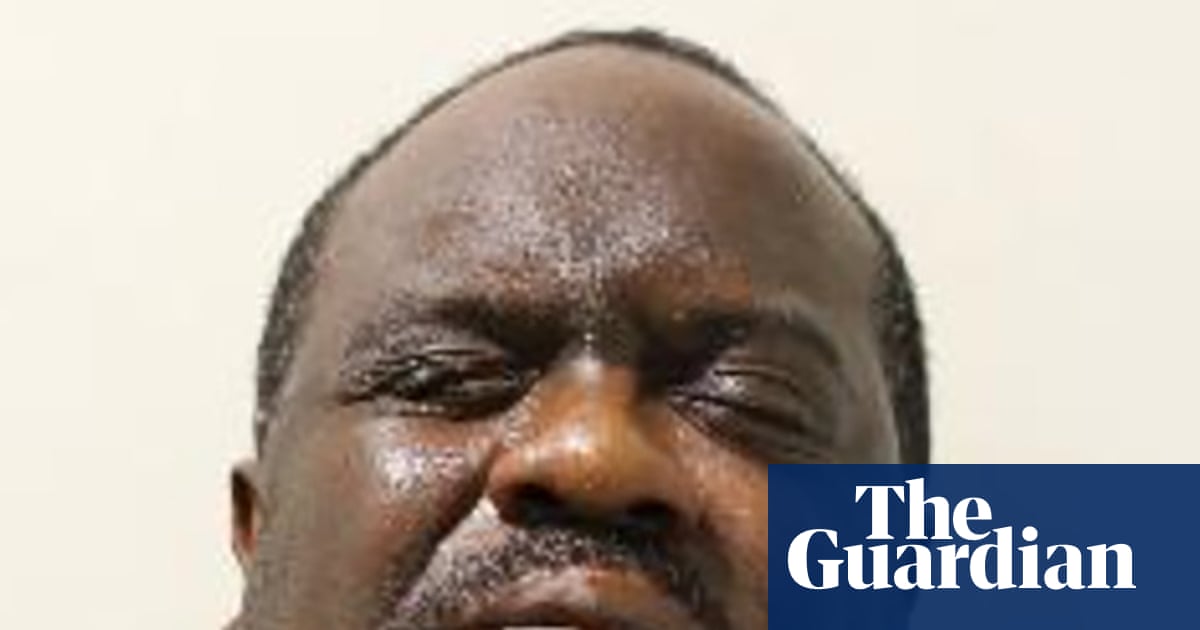
A London court has sentenced Simon Levy to a whole-life tariff for the murders of two women, marking one of the most severe penalties available under English law. The Recorder of London, Mark Lucraft KC, handed down the sentence at the Old Bailey on Wednesday, determining that Levy will spend the remainder of his life behind bars. This ruling concludes a legal process that exposed significant failures within the criminal justice system, which allowed Levy to remain free while he escalated from sexual assault to homicide.
Levy, 40, was convicted of murdering Carmenza Valencia-Trujillo in March 2025 and Sheryl Wilkins five months later. In addition to these capital convictions, he was found guilty of raping and attacking a third woman in January 2025, who survived the incident and provided critical testimony. The judge imposed two further life sentences for the rapes, with minimum terms of twelve years each, to run concurrently with the whole-life order. Levy showed no visible reaction as guards led him from the dock.
The timeline of Levy’s freedom reveals a pattern of missed opportunities to detain him. He had an extensive history of sexual offending and was already on the sex offender register following a 2021 imprisonment for two sexual assaults. Months before the first murder, British Transport Police arrested him for assaulting women on trains. However, procedural errors delayed charging him, leaving him at large. During this period of freedom, Levy carried out ten additional attacks across London.
Despite being charged with most of these offenses, Levy remained on bail. It was while awaiting trial for the initial murder that he committed the second killing. The prosecution highlighted that sexual violence was inextricably linked to the deaths of both Valencia-Trujillo and Wilkins. Prosecutor Tom Little KC argued that the severity of the offending warranted a whole-life tariff, emphasizing the extreme danger Levy posed to women.
The victims’ families expressed deep anguish during the sentencing. Mary Wilkins, mother of Sheryl, stated in a victim impact statement that Levy should never walk free again, describing him as a threat to all women. Lindsey Hicks, Sheryl’s sister, said the pain inflicted on her family was unbearable. Nazly Johana Fuenmayor Valencia, daughter of Carmenza, described her mother as the pillar of their family, noting she managed many responsibilities despite struggling with drug use.
The surviving victim, a 35-year-old woman from Eastern Europe who has been granted anonymity, told the court she was trafficked into the UK and used drugs to cope with trauma. She described Levy’s attack as stripping her of her soul and dignity, calling him a monster and a parasite. The jury heard that Levy targeted women who were sex workers or engaged in sexual acts for money or drugs, attacking them in locations including a partly disused tower block and a Tottenham car park.
Institutional accountability has become a central feature of this case. The Crown Prosecution Service, the Metropolitan Police, and British Transport Police have all admitted to making errors. Prosecutors acknowledged they bungled efforts to remand Levy in custody after the first murder and after he was charged with train attacks. They failed to provide key information to three court hearings that would have demonstrated the full extent of the danger he posed.
Two Metropolitan Police officers are currently under investigation by the police watchdog over alleged failings. Notably, Levy’s risk assessment was downgraded from high to medium in August 2024, despite his arrest for murder and a series of train attacks. This downgrade was not reversed even as his offending escalated. Official figures indicate that before this sentencing, only 75 prisoners in England and Wales were serving whole-life tariffs, underscoring the exceptional nature of the penalty imposed on Levy.
The judge described Levy as someone who ruthlessly exploits others for personal sexual satisfaction and appears to have a morbid fascination with crime. The case highlights the complex interplay between individual criminal responsibility and systemic failures in risk management. As investigations into police conduct continue, the legal system faces scrutiny over how it handles high-risk offenders on bail.
Levy’s sentence ensures he will never be eligible for parole. The whole-life tariff is reserved for cases where the crime is so grave that release would pose an unacceptable risk to public safety. This outcome reflects the court’s determination to prioritize community protection and deliver justice for the victims and their families, while also acknowledging the profound failures that allowed these tragedies to occur.
Sources behind this briefing
Go to the original reporting
- The Guardian World↗Double murderer and rapist Simon Levy handed whole-life tariff

