The short version
- LIV Golf has filed for Chapter 11 bankruptcy protection in the United States following the withdrawal of funding from Saudi Arabia's Public Investment Fund.
- Court documents reveal approximately $45 million in unsecured debts owed to top players, including Jon Rahm and Bryson DeChambeau, whose contracts are effectively terminated by the filing.
- The organization aims to restructure into a player-owned entity with new backing from BC Partners, though the future schedule and participation of star athletes remain uncertain.
LIV Golf has entered a court-supervised restructuring process after filing for Chapter 11 bankruptcy protection in the United States. The move comes as the breakaway tour attempts to stabilize its finances following the abrupt withdrawal of support from Saudi Arabia’s Public Investment Fund (PIF). This legal step is designed to provide the organization with time and structure to address significant financial obligations while pursuing a new transaction that could define its next phase.
The filing marks a sharp turn for an entity that has spent billions since its launch in 2022 to disrupt the traditional golf landscape. PIF, which had invested an estimated $5 billion into the venture, ceased funding earlier this year, citing a misalignment with its long-term strategy. Despite ending support for LIV, the sovereign wealth fund stated it remains committed to investing in sports as a priority sector. To facilitate the bankruptcy proceedings, PIF is providing a debtor-in-possession loan of nearly $50 million.
Financial disclosures accompanying the petition outline a precarious balance sheet. The company estimates its assets range between $100 million and $500 million, while liabilities are projected to fall between $500 million and $1 billion. A significant portion of this debt is owed to players. Court records indicate that at least $45 million in unsecured claims is held by current and former athletes. Jon Rahm leads the list with a claim of $7.5 million, followed by Bryson DeChambeau at $5.7 million, Dustin Johnson at $5.5 million, Cameron Smith at $4.8 million, and Tyrrell Hatton at $3.4 million.
Brooks Koepka, who returned to the PGA Tour in January, also holds an unsecured claim of $1.7 million. These figures represent only a fraction of the total debt, as they cover just 14 players among the top 30 creditors. The bankruptcy filing effectively terminates existing multi-year contracts, freeing players from their obligations to LIV Golf 1.0. However, it remains unclear when these athletes will be able to enter negotiations with other tours or what financial settlements might emerge from the court process.
Scott O’Neil, the chief executive of LIV Golf, framed the bankruptcy as a necessary step toward sustainability. He stated that the process allows the organization to pursue a landmark transaction and begin a new chapter focused on fans and an innovative ownership model. The tour has identified BC Partners, an international investment firm, as a proposed new investor. O’Neil emphasized that the goal is to build a stronger future for the league, moving away from the free-spending era that characterized its initial years.
The proposed restructuring envisions a “LIV 2.0” that would operate under a player-first ownership structure. Officials have indicated that the new iteration will feature a shorter schedule and reduced prize money compared to previous seasons. The organization claims to be in advanced discussions with players regarding an ownership framework that aligns their interests with the league’s long-term success. However, no definitive decisions have been announced regarding the 2027 schedule or specific events.
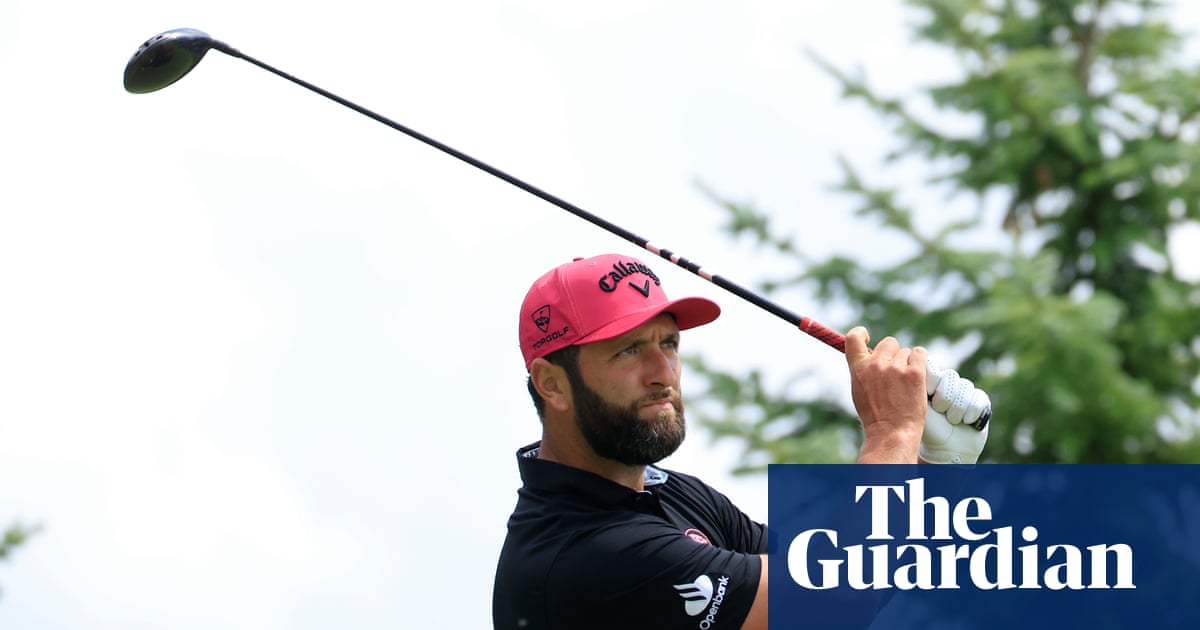
Player reactions to the filing have been cautious and guarded. Jon Rahm, speaking before the Irish Open, offered little clarity on his immediate future, noting that while he has a contract with LIV 1.0, the situation is fluid. He suggested that time would reveal whether the new structure holds enough appeal to retain top talent. Bryson DeChambeau had previously expressed optimism about potential opportunities moving forward, but the bankruptcy introduces significant uncertainty regarding who will remain and who might depart.
The PGA Tour has stated it has no plans to offer a pathway back for LIV players, adding another layer of complexity to the athletes’ decisions. While widespread reports have linked several stars with potential returns to traditional series, the legal and contractual realities of the bankruptcy filing create a waiting period. The tour is also seeking recognition of its US bankruptcy filing in England and Wales to cover international assets and operations.
As LIV Golf navigates this transition, the broader golf ecosystem watches closely. The end of PIF’s financial backing signals a shift from expansion-driven growth to fiscal conservatism. Whether the new investor-backed model can attract sufficient talent to remain viable remains an open question. The coming months will likely determine if LIV can successfully reinvent itself or if the bankruptcy marks the beginning of its dissolution.
The filing in the federal district court of New Jersey, where LIV established a subsidiary earlier this summer, underscores the legal complexities involved. Chapter 11 protection postpones obligations to creditors, allowing the company to reorganize debts or sell parts of the business. For fans and players alike, the immediate future is defined by uncertainty, as the tour attempts to balance its financial realities with the ambitions of a new ownership era.
Sources behind this briefing
Go to the original reporting
- The Guardian US↗LIV Golf files for bankruptcy protection as it looks to ‘begin the next chapter’
- BBC World↗LIV files for bankruptcy protection with $45m owed to players

