The short version
- LIV Golf has notified most employees that their positions will be eliminated in early September as the organization transitions away from Saudi state funding.
- Chief Executive Scott O’Neil is negotiating a term sheet with BC Partners to finance a leaner version of the league, requiring significant buy-in from current players.
- The restructuring follows a season marked by financial strain, including canceled events, reduced purses, and outstanding vendor payments.
LIV Golf has moved to drastically reduce its workforce, informing the majority of its staff on Wednesday that their employment will terminate during the first week of September. This operational contraction marks a definitive end to the initial phase of the league’s existence, driven by the cessation of financial support from Saudi Arabia’s Public Investment Fund. The PIF had backed the venture for five years, injecting more than $5 billion into the organization before announcing earlier this year that its funding commitment would conclude.
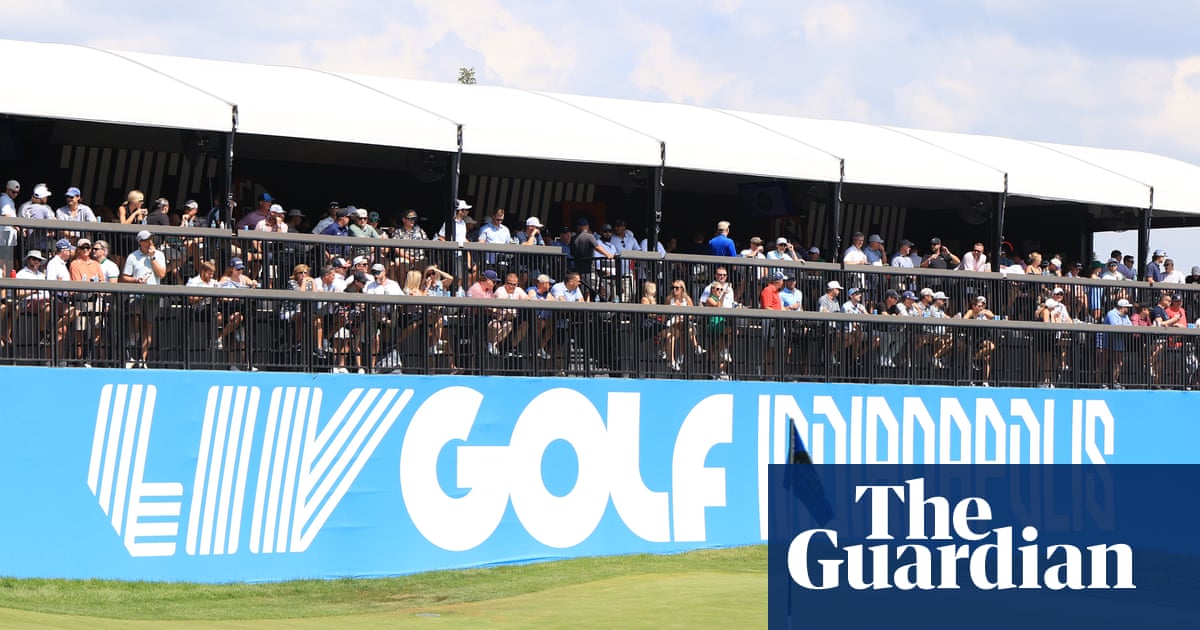
The timing of these layoffs coincides with the immediate aftermath of the 2026 season finale in Indianapolis. While the announcement was not entirely unexpected given prior notifications to workers in the United States and the United Kingdom regarding potential job losses, it signals a severe contraction in the league’s administrative and operational capacity. A spokesperson for LIV Golf stated that the organization is scaling back operations to transition toward what executives are calling LIV 2.0, expressing gratitude to employees for their contributions while pledging support during this shift.
At the center of this restructuring effort is Chief Executive Scott O’Neil, who assumed leadership in early 2025 after replacing Greg Norman. O’Neil has described the current period as having a very compressed timeline, emphasizing that the organization’s primary focus is on finalizing a transaction with a new lead investor. He characterized the situation as an urgent effort to land the plane safely so that the league can eventually take off again, indicating that all resources are currently directed toward securing this financial lifeline rather than day-to-day operations.
Reports indicate that Ted Goldthorpe, head of the investment firm BC Partners, has agreed to a term sheet with LIV Golf. This potential partnership represents the cornerstone of the proposed LIV 2.0 model. However, the deal is not yet finalized and hinges on critical conditions. O’Neil acknowledged that any agreement requires buy-in from a majority of the current player roster, though he did not specify the exact deadline or the nature of the approval process required from the athletes.
The financial landscape surrounding this transition remains precarious. The 2026 season concluded under strained circumstances, with the season-ending team championship in Michigan canceled entirely. Furthermore, the purse for the final event in Indianapolis was reduced by nearly half compared to previous standards. These cuts reflect the broader liquidity issues facing the league, which also includes multiple vendors and contractors who are still awaiting payments for services rendered.
Legal and financial liabilities continue to mount as the league navigates this period of uncertainty. O’Neil has vowed to address outstanding debts, specifically mentioning a commitment to do right by vendors and contractors who have already sued the organization for missed payments. The looming threat of bankruptcy adds pressure to the negotiations, as the new investor structure must be robust enough to cover existing obligations while funding future operations.
The vision for the restructured league involves a significantly smaller footprint than the previous model. Plans for LIV 2.0 include a schedule of only ten events for the 2027 season, split evenly between five tournaments in the United States and five in international markets. This reduction aims to streamline costs and improve financial sustainability. O’Neil has reportedly been seeking an investment package ranging from $250 million to $350 million to support this leaner operation.
The ultimate goal of this restructuring is to achieve profitability within three years, a stark contrast to the heavy subsidy model that characterized the league’s first five years. Whether the new investor structure can secure the necessary player support and stabilize the organization remains unclear. The coming weeks will be critical in determining whether LIV Golf can successfully pivot from a state-funded venture to a commercially viable entity under private investment.
As the staff reductions take effect, the league faces an uncertain future defined by tight deadlines and high stakes. The success of LIV 2.0 depends not only on securing capital from BC Partners but also on maintaining enough player interest to sustain a competitive product. Without broad athlete participation, even a funded restructuring may fail to deliver a viable alternative in the professional golf landscape.
Sources behind this briefing
Go to the original reporting
- The Guardian US↗LIV Golf to lay off majority of staff amid ‘compressed timeline’ for new investors

