The short version
- Lithuanian police have opened a criminal probe into an incident where a spotter allegedly sabotaged a lift for racist reasons.
- The International Powerlifting Federation has pledged to improve volunteer screening following the lifetime ban of the official involved.
- Belgian champion Sonita Muluh reports feeling unsafe and unsupported by governing bodies after the disqualification.
A criminal investigation has been launched in Lithuania following a disturbing incident at the Powerlifting Championships that involved allegations of racially motivated sabotage. The probe centers on Ernestas Kusinas, an official who served as a spotter during the competition. A spotter’s role is critical for athlete safety, ensuring that heavy weights are controlled if a lift fails. Authorities stated that the investigation will examine both the events at the championship and subsequent social media posts made by Kusinas, with potential penalties reaching up to two years in prison.
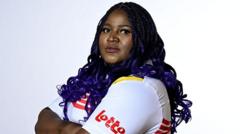
The incident occurred in June when Sonita Muluh, a Belgian powerlifter of Cameroonian descent, attempted a record-breaking squat of 334.5 kilograms. As she prepared for the lift, Kusinas touched the weights with his knee. This interference compromised the attempt, leading judges to disqualify her based on a technical infringement. Muluh was not permitted to reattempt the lift. At the time, she believed the contact was an accidental error and expressed hope that the official would not face harassment, viewing it as a human mistake rather than malice.
The nature of the incident shifted dramatically five weeks later when Kusinas posted a message on Instagram. In the post, he stated that he was racist and had acted intentionally. This admission prompted a swift response from the Lithuanian Powerlifting Federation, which issued a lifetime ban against him. The federation’s action came as authorities moved to treat the matter as a potential criminal offense rather than solely a disciplinary issue within the sport.
Kusinas has offered a different explanation for his social media post. He told reporters that the message was written in anger after being accused of racism by an unidentified user online. He claimed the statement was intended as mockery of the accusation rather than a genuine confession of intent. Additionally, he suggested that his physical interference with the weights was unintentional and resulted from fatigue after performing duties at the event. His social media accounts have since been set to private.
For Muluh, the revelation has had profound personal and professional consequences. She described feeling unsafe and uneasy upon learning that an individual standing beside her with massive weight on her back may have acted with malicious intent. The physical danger of powerlifting is significant, and she noted that while she was able to stabilize herself in this instance, others might not be so fortunate. The psychological impact has been severe, altering her perception of the sport’s safety standards.
Muluh has also criticized the International Powerlifting Federation for its handling of the situation. She argued that the governing body failed to protect her and only took swift action after the story gained widespread attention online. Her comments highlight a broader concern about the lack of background checks for volunteers and officials who are placed in positions of responsibility over athletes’ physical safety. She emphasized that negligence in screening personnel puts competitors at risk.
The incident has sparked wider discussions about racism within the powerlifting community. Muluh shared experiences of feeling unwelcome at international events, citing instances of discrimination in Lithuania and Poland. She noted that while some athletes have faced booing or other forms of prejudice, many prominent figures in the sport remained silent during this controversy. Support came primarily from other Black athletes, who reached out to offer solidarity in the absence of institutional backing.
In response to the crisis, the International Powerlifting Federation issued a statement condemning racism and discrimination in all forms. The organization acknowledged the Lithuanian federation’s decision to ban Kusinas permanently. Furthermore, the IPF announced plans to coordinate with relevant commissions to strengthen recruitment, screening, accreditation, and oversight of volunteers at future events. These measures aim to prevent similar incidents and ensure a safer environment for all competitors.
As the legal proceedings continue, the powerlifting community faces pressure to address systemic issues regarding athlete safety and inclusion. The case underscores the vulnerability of athletes who rely on officials for protection during high-risk performances. While disciplinary actions have been taken, questions remain about whether these steps are sufficient to restore trust and ensure that minority athletes can compete without fear of discrimination or physical harm.
The outcome of the criminal investigation will likely influence future policies within international sports organizations. If convicted, Kusinas could face imprisonment, setting a precedent for how racially motivated interference in sports is treated legally. Until then, athletes like Muluh are left to navigate the aftermath of an event that challenged their sense of security and belonging in a sport they have dedicated years to mastering.
Sources behind this briefing
Go to the original reporting
- BBC News↗'I feel unsafe', says powerlifter over racism row

